
Do I Need Roadside Assistance? A Practical Check
A dead battery in a grocery store parking lot is inconvenient. A lockout on a dark highway shoulder, a flat tire during heavy rain, or a commercial truck that will not restart before a delivery is different. When people ask, “do I need roadside assistance,” the real question is whether they have a dependable plan for getting moving again when their vehicle cannot.
Roadside assistance is not just for drivers with old cars or long commutes. It is a practical backup for anyone who depends on a vehicle to get to work, pick up children, make appointments, run deliveries, or keep a business on schedule. The value is less about how often you use it and more about what happens when you need help now.
What roadside assistance actually solves
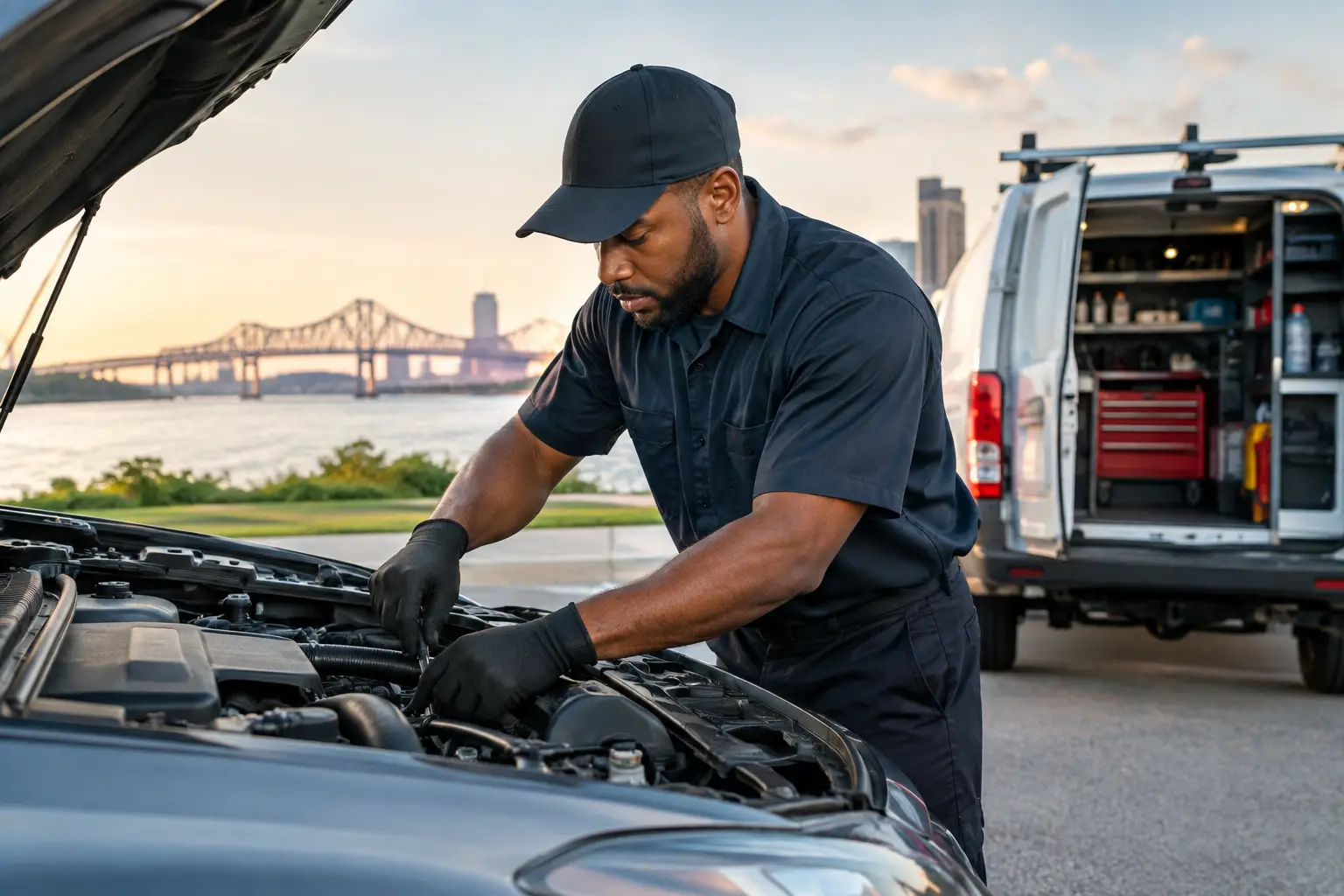
Roadside assistance covers the problems that can leave a vehicle stranded but may not require a full repair shop visit. Depending on the provider and the situation, that can include jump-starts for a dead battery, flat tire help, fuel delivery, lockout service, winching, towing coordination, and minor roadside support.
The exact service matters. A driver who has keys locked inside the vehicle needs an automotive locksmith or lockout response, not a generic promise of help. A commercial truck with a mechanical issue needs someone equipped to assess and repair truck problems, not just a passenger-car tow truck. Before choosing coverage or a local provider, know what kinds of vehicles and issues they actually handle.
For Louisiana drivers, weather is part of the calculation. Heat can shorten battery life. Heavy rain and flooded conditions can turn a simple breakdown into a safety problem. Long stretches between exits, late-night travel, and unfamiliar roads can make a call for assistance far more useful than trying to solve the issue alone.
Do I need roadside assistance if my car is reliable?
Probably, if losing access to your vehicle for even a few hours would create a major problem. Vehicle reliability lowers the odds of a breakdown, but it does not prevent a nail in a tire, a drained battery, a lost key, or an accidental lockout. Those issues can happen to a new vehicle with current maintenance.
Think about the cost of disruption rather than the age of the vehicle. If you can safely wait, have another vehicle available, know how to change a tire, and are usually close to home, you may be comfortable handling some problems yourself. If you commute alone, travel with children, drive after dark, have mobility limitations, or regularly drive between cities, roadside support can remove a lot of uncertainty.
There is also a difference between having coverage and having a workable response plan. Some insurance policies, vehicle warranties, credit cards, and auto clubs include roadside benefits. That may be enough for occasional needs, but check the details before depending on it. Look for service limits, towing distance caps, wait times, exclusions, the number of calls allowed, and whether lockout help is included.
A low-cost benefit is not always the best answer if it leaves you waiting for a provider outside your area or does not cover the service you need. Local, on-demand roadside assistance can be the better option when the immediate priority is getting help at your actual location.
Who benefits most from a roadside plan?
Some drivers can get by with basic preparation. Others have much more to lose from a disabled vehicle. Roadside assistance is especially worth considering for people in these situations:
- Commuters who cannot afford to miss work because of a battery, flat, or lockout.
- Parents and caregivers who often travel with children or relatives.
- Drivers who make frequent trips through unfamiliar areas or travel at night.
- Owners of older vehicles or vehicles with recurring battery, tire, or starting issues.
- Rideshare, delivery, and service professionals whose income depends on staying mobile.
- Commercial drivers, owner-operators, and fleet managers facing expensive truck downtime.
For commercial operations, the decision is usually straightforward. A disabled truck can mean a missed delivery window, spoiled cargo, a driver stuck away from home, overtime costs, and a customer waiting for an answer. Even a small mechanical issue can create a larger operational problem when the truck is carrying a load or blocking a route.
That does not mean every issue can be fixed roadside. Some failures require a shop, parts, or a tow. But a provider with commercial truck repair capability can help determine the right next move quickly instead of treating every truck problem as a standard passenger-vehicle call.
Coverage plan or pay when you need help?
There is no single right choice. A membership or insurance add-on can make sense if you prefer predictable annual costs and use the included services often enough to justify it. Review the fine print carefully, especially if you drive a larger vehicle, pull a trailer, or use your vehicle for business.
Paying for service when needed can be a better fit for drivers who rarely need roadside help, have limited coverage benefits, or want a local response without membership restrictions. The downside is that an emergency expense arrives at the worst time. Keeping a small vehicle emergency fund can make that option more manageable.
Many drivers use both approaches. They maintain roadside coverage through an insurer or vehicle program, then contact a local provider when the situation calls for faster, more specialized, or more appropriate assistance. The key is not assuming all plans provide the same response.
What to check before you are stranded
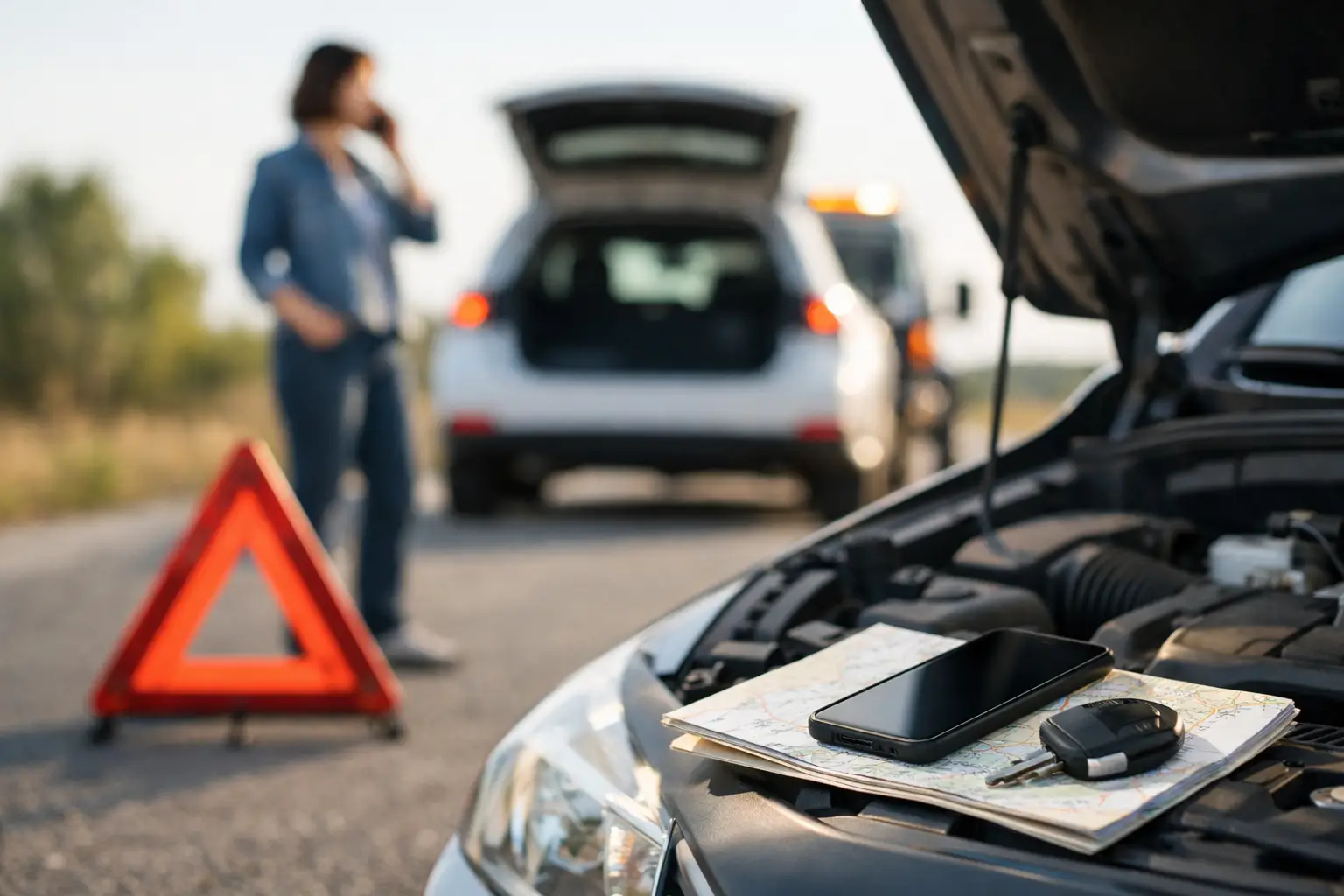
A roadside plan works best when the decisions are made before the car will not start. Save the phone number for a qualified local service provider in your contacts. Keep your vehicle location settings available, and know your vehicle make, model, color, and license plate number.
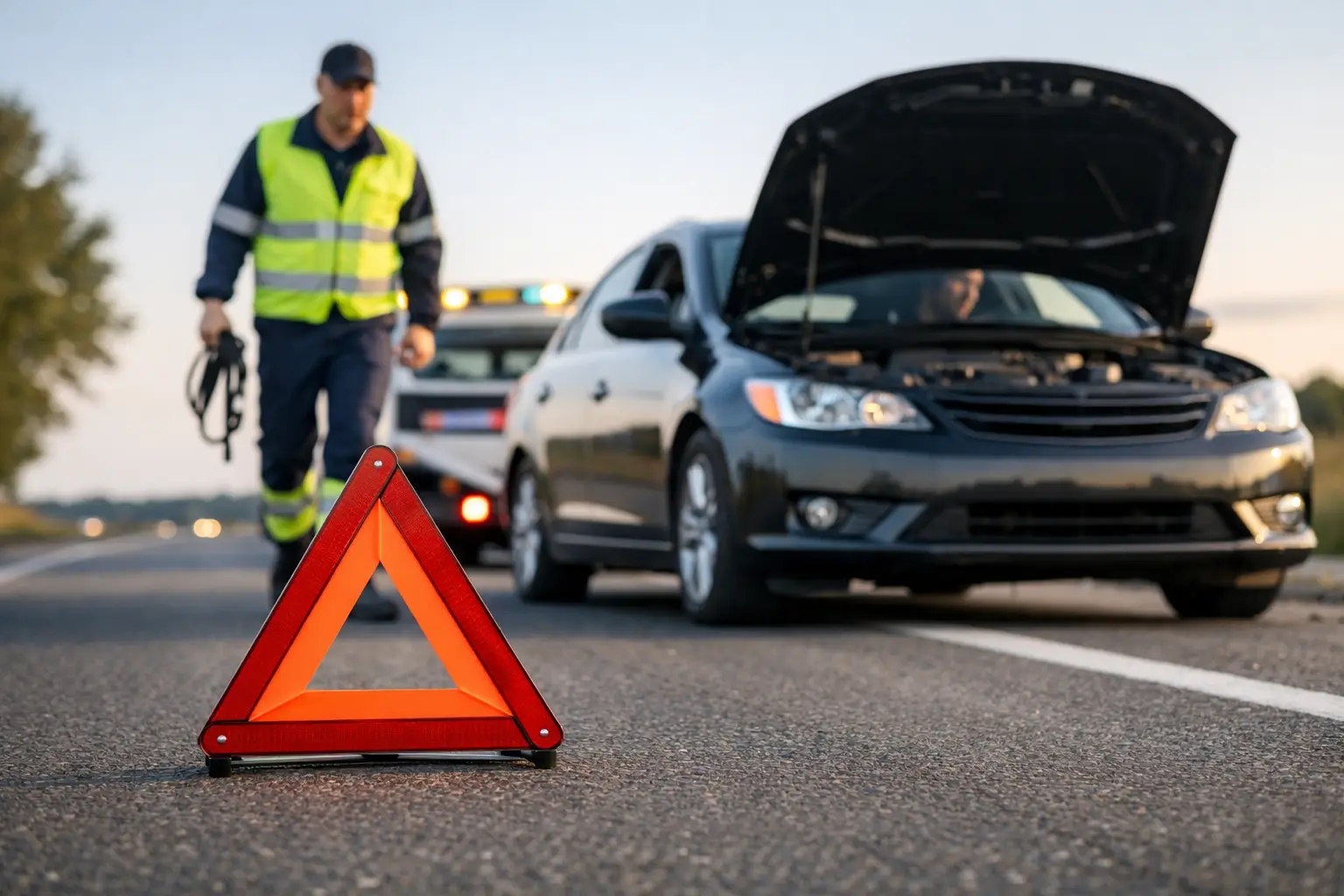
It also helps to carry the basics: a charged phone, tire gauge, flashlight, jumper cables or jump pack if you know how to use one, water, and a reflective vest or warning triangles when appropriate. These items do not replace professional help, but they can make a wait safer and easier.
For fleets, preparation should be more formal. Drivers should know who to contact, what information dispatch needs, where maintenance records are kept, and when to stop attempting a roadside fix. A clear escalation process prevents a driver from losing time calling several providers while equipment remains down.
When you should call instead of trying to fix it yourself
A flat tire on a level, well-lit surface may be manageable for an experienced driver with the right tools. The same tire problem on an interstate shoulder, in standing water, or at night is not a good do-it-yourself project. Safety comes first.
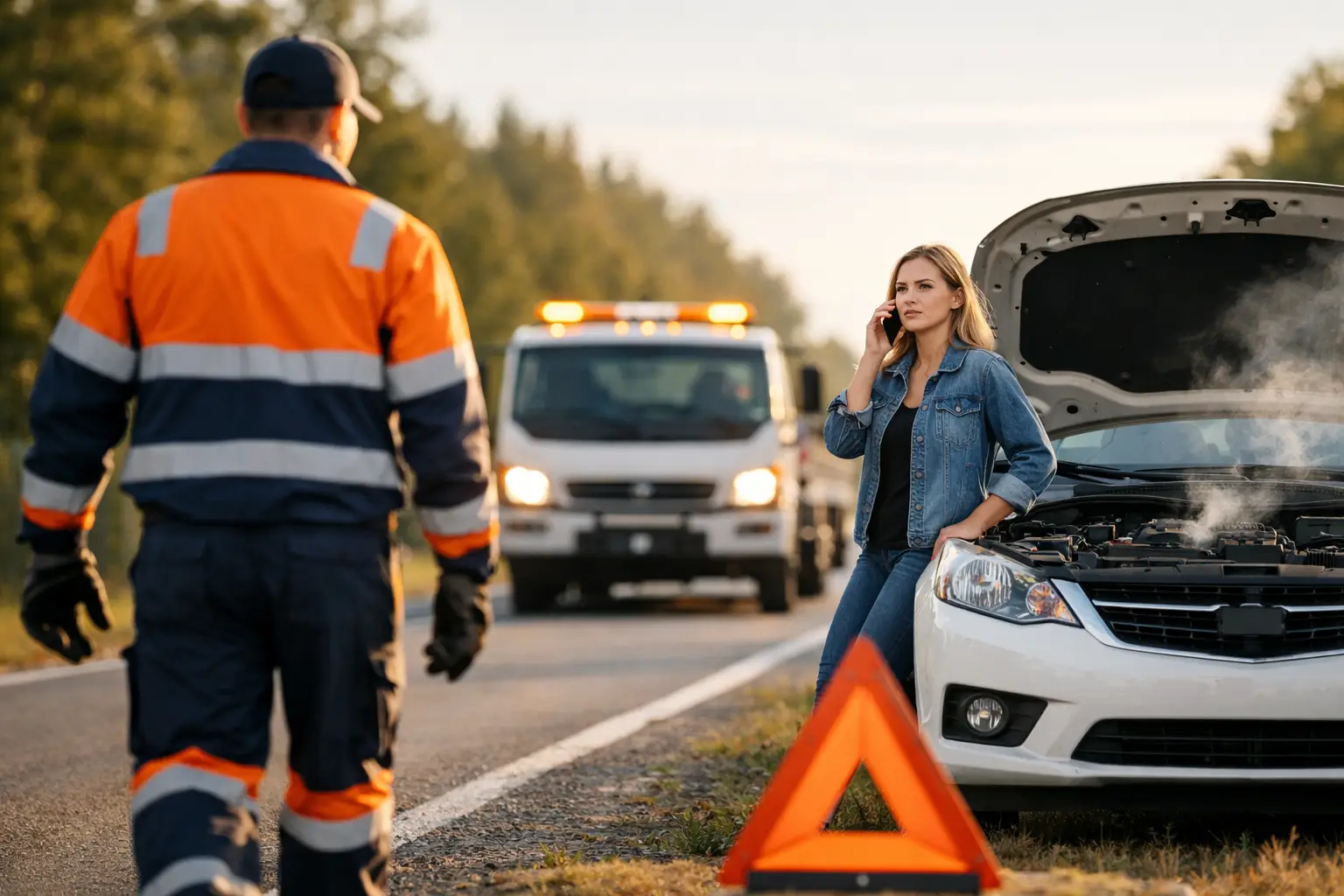
Call for assistance if you are in an unsafe location, traffic is moving close to the vehicle, you cannot identify the problem, you smell fuel or burning, there is smoke, the vehicle has been in a collision, or the repair requires working beneath the vehicle. Do not keep trying to start a vehicle with warning lights, overheating, or unusual mechanical noises. Repeated attempts can turn a smaller issue into a more expensive repair.
Lockouts also deserve a direct response. Trying to force a door open can damage weather stripping, glass, locks, or electronic systems. A qualified automotive locksmith can address vehicle access without creating a second problem.
The practical answer for Louisiana drivers and fleets
Roadside assistance is worth having when mobility matters and a breakdown would leave you exposed, delayed, or unable to work. It is less about expecting trouble and more about deciding who will handle it when trouble arrives. For personal vehicles, that may mean a jump-start, tire help, or lockout service. For commercial vehicles, it may mean getting a truck assessed and repaired quickly enough to protect the day’s schedule.
Keep your coverage details handy, maintain the vehicle, and know who can respond locally. When a car, truck, or key problem stops your day in the Hammond area, Hopper Roadside provides one local contact for roadside assistance, automotive locksmith support, and commercial truck repair.