
Roadside Assistance When Your Vehicle Won’t Move
A vehicle problem rarely happens at a convenient time. It happens in a parking lot after work, on the shoulder before daylight, at a fuel stop between deliveries, or halfway through a trip when you are far from the tools you need. Roadside assistance is the practical response when your vehicle cannot safely continue and waiting is not an option.
The right next step depends on the problem. A flat tire, dead battery, lockout, fuel issue, and mechanical failure may all leave you stranded, but they do not require the same service. Knowing what to check first can help you explain the situation clearly and get the appropriate help dispatched.
Start With Safety, Then Identify the Problem
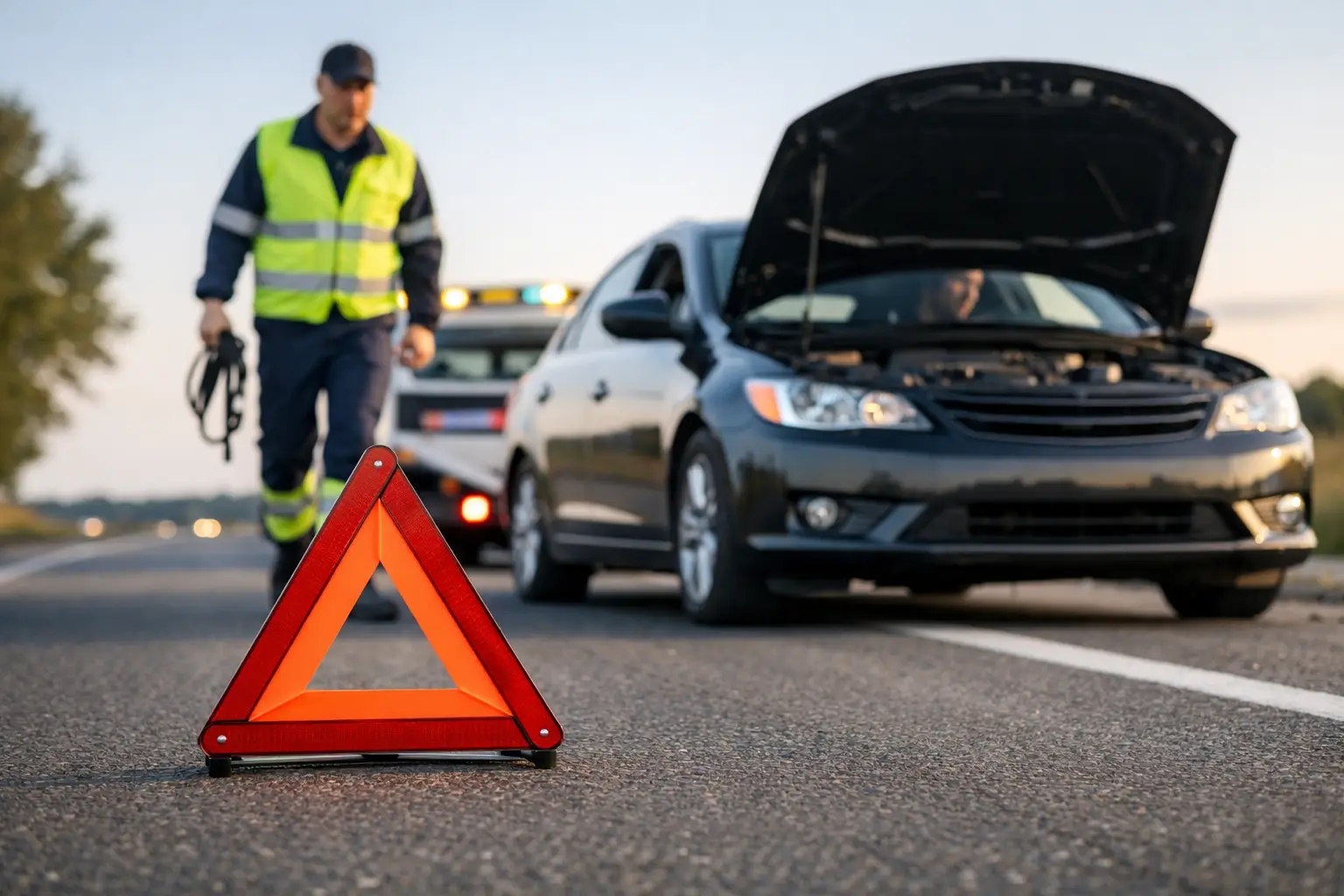
If your vehicle loses power or develops a problem while moving, get out of traffic if it can be done safely. Turn on hazard lights, choose a visible location, and avoid standing near active traffic. On a busy highway, inside the vehicle with doors locked may be safer than standing on the shoulder, unless conditions create an immediate hazard.
Once you are in a safer position, take a quick look at what happened. Do not attempt a repair beside fast-moving traffic or under a commercial truck without the right equipment. The goal is not to diagnose every detail. It is to identify the immediate issue well enough to request the right kind of help.
For a passenger vehicle, that could be a tire that has gone flat, an engine that will not start, keys locked inside, or a battery that has failed. For commercial equipment, the issue may involve an air system, electrical fault, tire problem, no-start condition, or another mechanical concern that puts a truck out of service.
When Roadside Assistance Is the Right Call
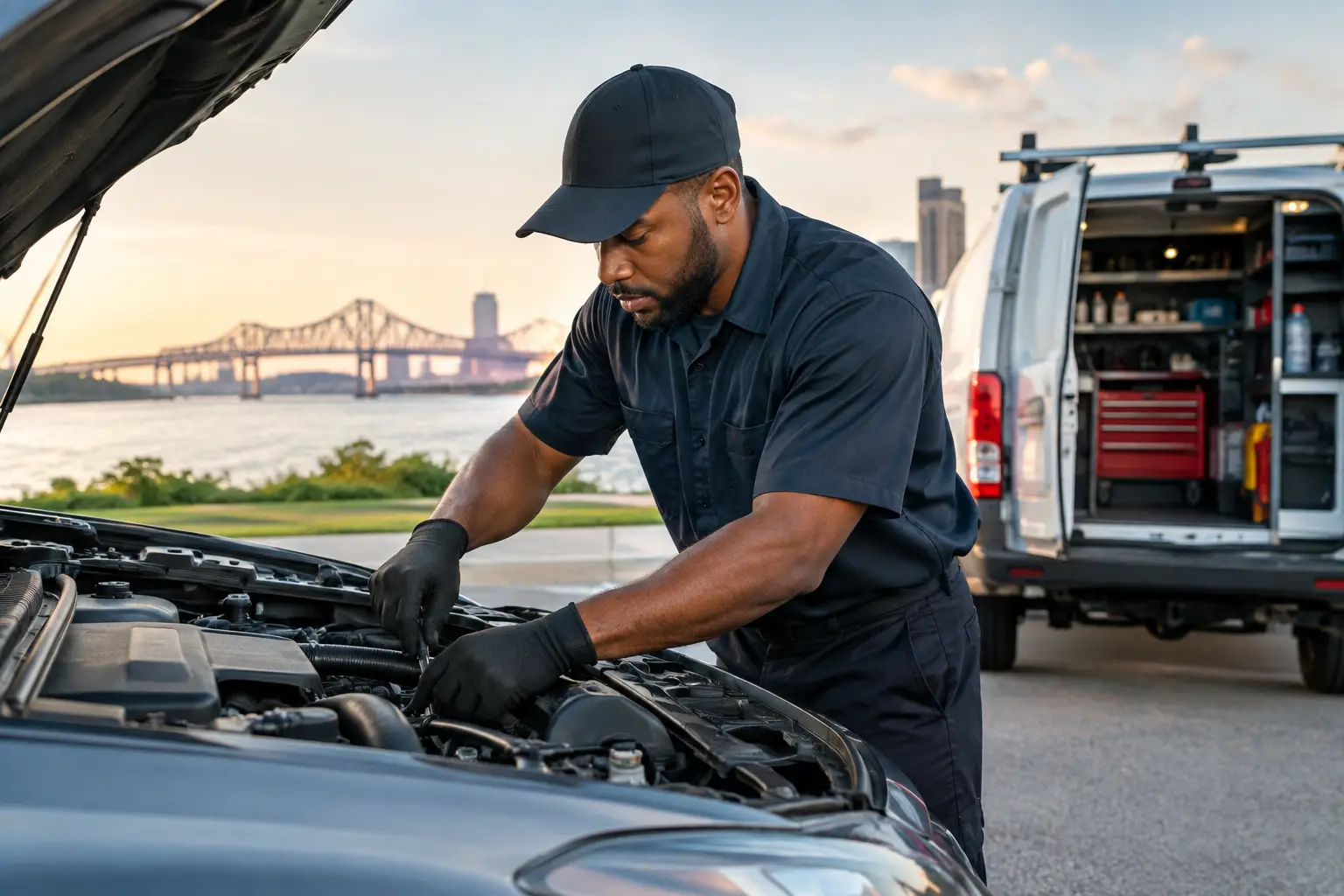
Roadside assistance is designed for problems that may be handled where the vehicle is located. That can save time compared with arranging a tow for an issue that has a straightforward fix. It is especially useful when the vehicle is otherwise in sound condition but cannot move because of a single disruption.
Flat Tires and Tire Changes
A flat tire can come from a puncture, road debris, sidewall damage, or a slow leak that finally gave out. If you have a usable spare tire and the vehicle is in a safe location, a roadside tire change may get you moving again.
There are limits. A damaged spare, missing wheel key, seized lug nuts, unsafe roadside location, or multiple failed tires can change the plan. Commercial vehicles also require different equipment and procedures than passenger cars. In those cases, a quick tire swap may not be the complete solution, but a service provider can help determine the next practical step.
Dead Batteries and No-Start Problems
A dead battery is one of the most common reasons a vehicle will not start. You may hear rapid clicking, see dim interior lights, or get no response when turning the key or pressing the start button. A jump-start may restore power if the battery is discharged.
But not every no-start is a battery issue. Corroded terminals, a bad alternator, starter trouble, damaged cables, or an electrical problem can produce similar symptoms. If the vehicle starts after a jump but dies again soon after, it may need more than roadside service. A jump-start can get you out of an immediate situation, but it does not guarantee the charging system is working properly.
Vehicle Lockouts and Key Access Problems
Being locked out can stop a trip as completely as a breakdown. Keys may be left in the cabin, misplaced, damaged, or inaccessible after a door locks unexpectedly. Modern vehicles add another layer of complexity because many use electronic keys, key fobs, transponder chips, and programmed immobilizer systems.
Automotive locksmith support is often the right call when the issue is access, not mechanical failure. A trained provider can address the lockout without forcing a window or causing damage to the door, weather stripping, or locking mechanism. Trying to break into your own vehicle with improvised tools can turn a lockout into a much more expensive repair.
Fuel and Minor Roadside Issues
Running out of fuel, dealing with a loose battery connection, or needing basic support after a minor vehicle issue may be resolved on site. These calls are usually simple, but location still matters. A vehicle stopped in an unsafe place may need a different approach than one parked at home or in a well-lit lot.
When you call, explain whether the vehicle is blocking traffic, parked in a garage, on a highway shoulder, or at a business. That information helps determine what equipment and response are appropriate.
Commercial Truck Problems Need a Different Response
For an owner-operator, carrier, or fleet manager, roadside downtime is more than an inconvenience. A disabled truck can affect delivery windows, driver hours, customer commitments, and the next load. The pressure to get moving is real, but rushing into an unsafe repair can make the delay longer.
Commercial truck roadside support should begin with a clear description of the truck, trailer if applicable, location, and symptoms. Note warning lights, leaks, loss of air pressure, starting issues, tire damage, brake concerns, or any part that has visibly failed. If there is a cargo-related concern or the truck is carrying hazardous materials, say so immediately.
Mobile commercial truck repair can address certain mechanical issues where the truck is located, reducing the need to move disabled equipment before it is safe to do so. The repair path depends on the fault, available parts, access to the truck, and whether the vehicle can legally and safely return to service. Some issues are roadside-repairable; others require a shop, a tow, or additional equipment.
That distinction matters. Good service is not just about getting a truck started. It is about avoiding a return to the road with a problem that could create a larger breakdown, a safety risk, or another missed delivery a few miles later.
What to Tell the Dispatcher
Clear information speeds up the process. Before calling for help, have your location ready. A street address is useful, but highway direction, mile marker, nearby exit, cross street, business name, or visible landmark can be just as important when you are outside a city center.
Be ready to provide the vehicle year, make, model, color, and plate number if requested. For commercial calls, include the truck make and model, unit number, trailer details, and whether the vehicle is loaded. Describe what happened in plain language: “The engine clicks but will not crank,” “The front driver-side tire is flat,” or “The keys are locked in the cab.”
Also mention any access problems. A service vehicle may need to enter a gated lot, a parking garage, a private facility, or a restricted loading area. Small details can prevent a technician from arriving at the right place but being unable to reach the vehicle.
Avoid Making the Situation Worse
A stranded driver often feels pressure to fix the problem immediately. That is understandable, but a few common choices can create extra damage. Do not repeatedly crank an engine that will not start, especially if you smell fuel, notice smoke, or see a warning light that suggests overheating. Do not drive on a flat tire if you can avoid it. Doing so can ruin the tire and damage the wheel.
Avoid using coat hangers, screwdrivers, or wedges to unlock a modern vehicle. Side airbags, wiring, window seals, and electronic locking systems make forced entry risky. For truck operators, do not bypass safety systems or attempt repairs beneath equipment that has not been properly secured.
If you are waiting for help at night, keep your phone charged, remain aware of your surroundings, and share your location with a trusted contact when appropriate. If the situation involves an accident, injury, fire, or immediate danger, contact emergency services first.
Local Help When Time Is Moving Against You
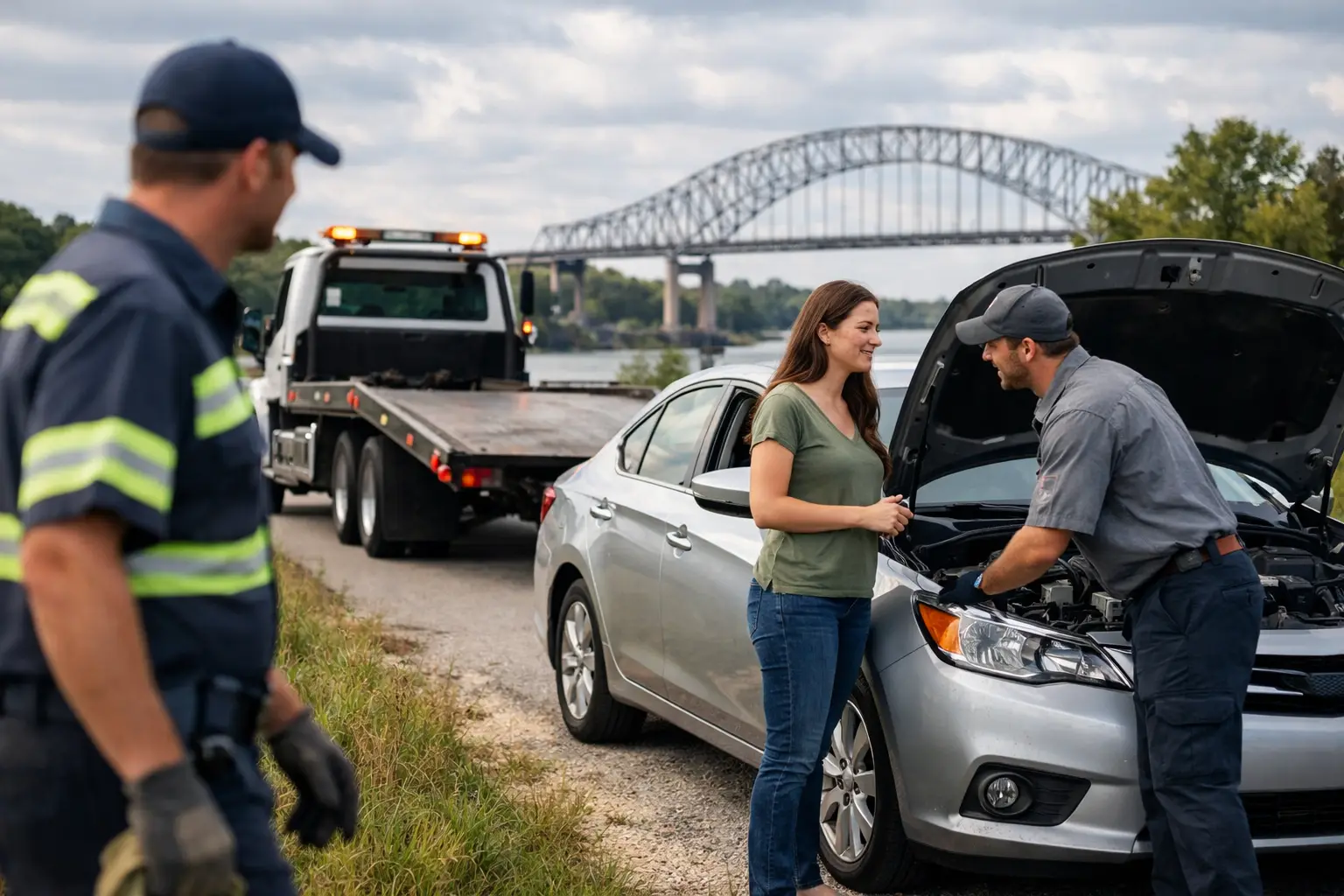
Drivers in the Hammond area may need different kinds of help on the same day: a commuter with a dead battery, a family locked out at a store, or a commercial driver facing equipment trouble before a scheduled delivery. Using one local provider that handles roadside service, automotive locksmith work, and commercial truck repair can reduce the time spent figuring out who to call.
Hopper Roadside is built for those urgent moments when a passenger vehicle or commercial truck needs practical help where it stopped. The best call is the one made early, with clear details, before a manageable vehicle problem becomes a longer and more costly delay.