
Roadside Assistance Hammond When You Need It

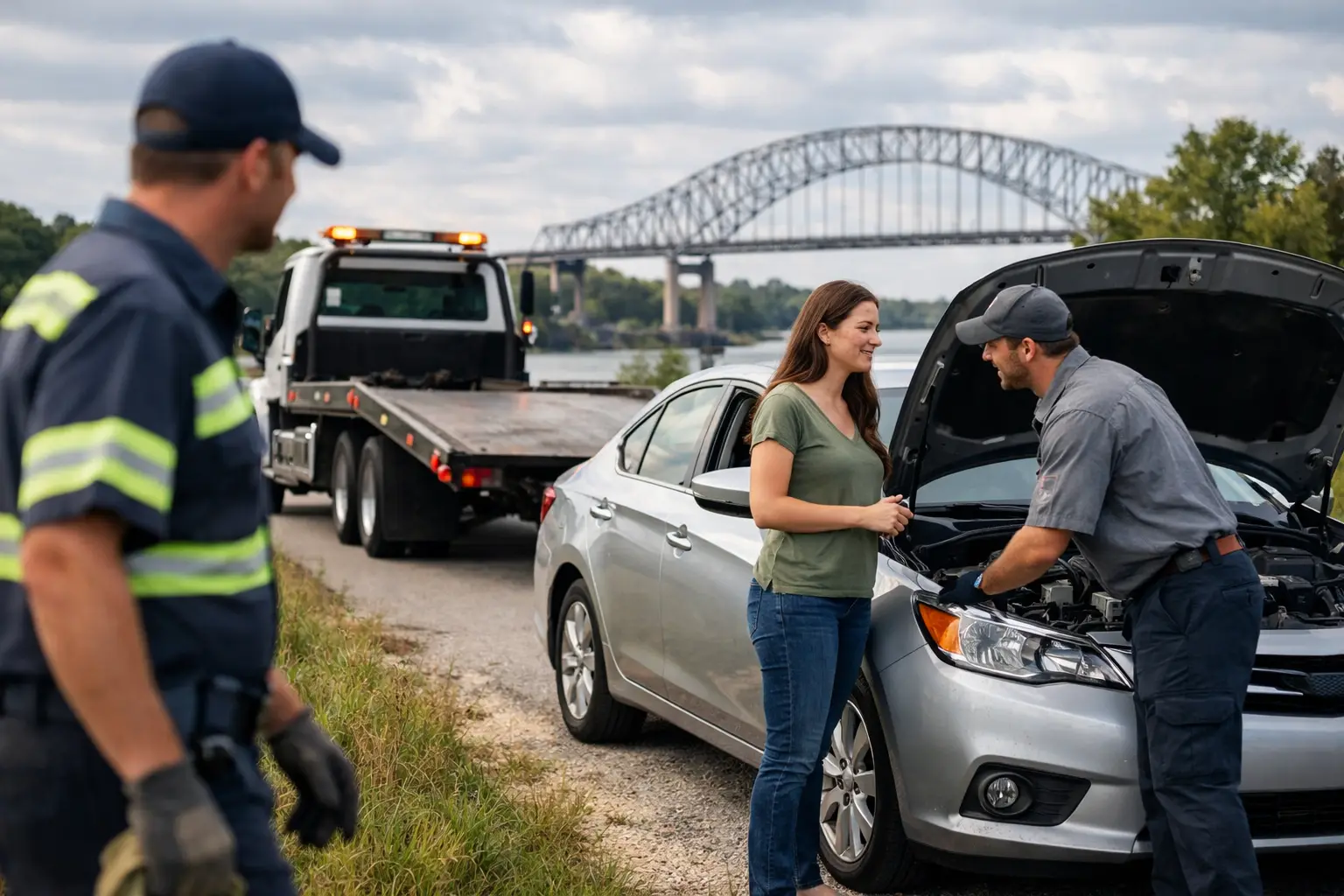
A dead battery in a parking lot, a locked vehicle at a fuel stop, or a truck problem that puts a delivery behind schedule can change the day fast. Roadside assistance Hammond drivers use should provide a clear next step: get help to the location, identify the problem, and restore safe mobility when possible.
For Louisiana drivers, the right response depends on what stopped the vehicle. A passenger car with a flat tire needs a different approach than a commercial truck with a mechanical issue. A driver standing outside a locked vehicle needs access help, not a tow. Knowing what to request helps dispatch the right kind of assistance without wasting time.
What Roadside Assistance Hammond Drivers Need
Roadside service is not one single job. It is a set of practical services for the problems that leave a driver unable to continue safely. The immediate goal is simple: stabilize the situation and determine whether the vehicle can be put back on the road at the location.
For everyday motorists, common calls involve a drained battery, flat tire, lockout, fuel issue, or a vehicle that will not start. These situations are stressful because they are rarely planned. They can happen before work, after dark, during heavy rain, or while traveling through an unfamiliar part of Hammond.
Commercial drivers face the same urgency, with more operational pressure. A disabled truck can interrupt a route, delay a customer, affect a scheduled pickup, and leave equipment exposed on the shoulder or at a job site. For owner-operators and fleet managers, the cost of downtime can rise quickly. Commercial truck repair support matters because a truck issue is often more than a transportation inconvenience.
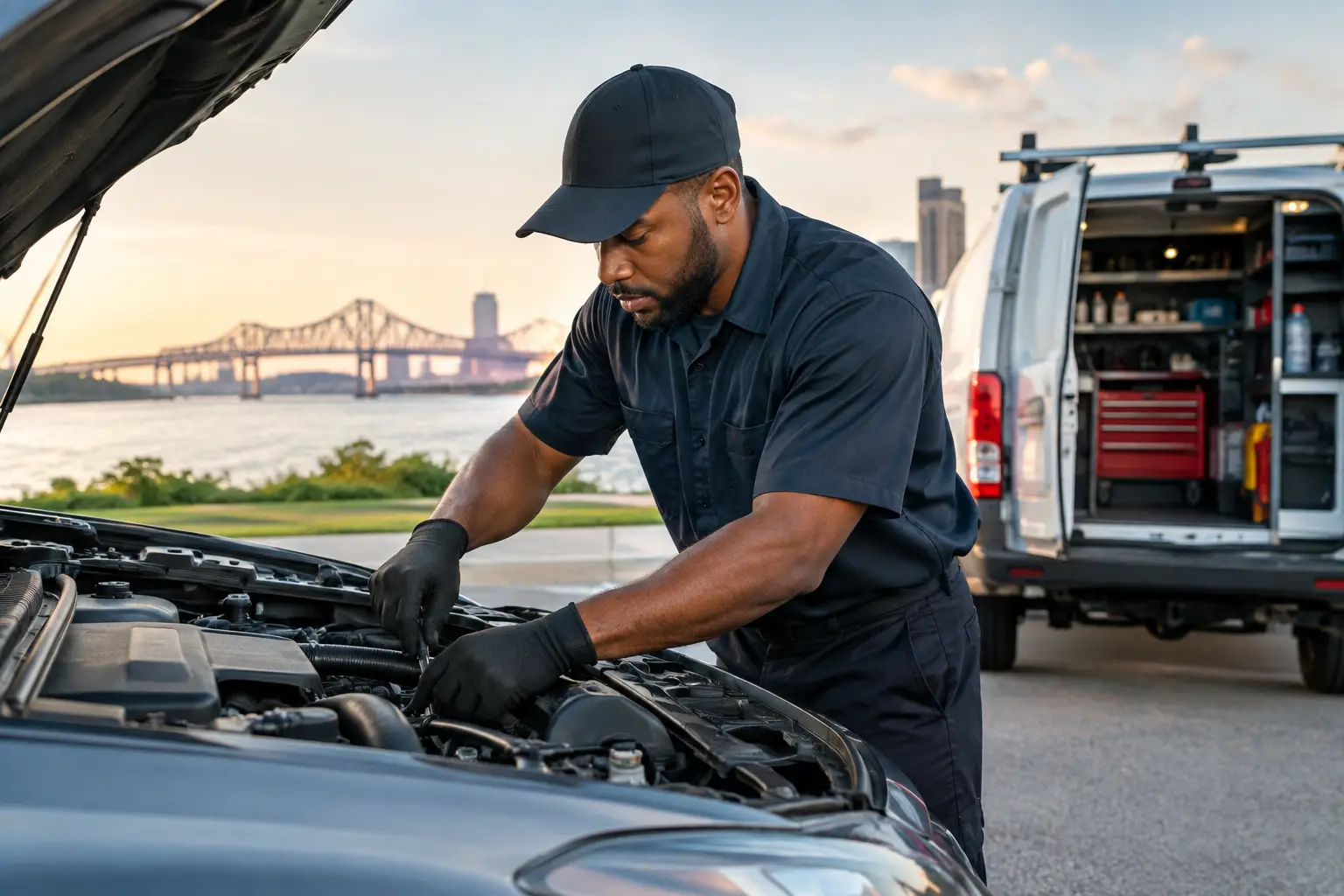
Hopper Roadside brings roadside assistance, automotive locksmith support, and commercial truck repair together for drivers who need a local response partner. That combination matters when the situation is not immediately clear. A no-start condition may be a battery problem, a key-access problem, or a mechanical concern that requires a closer assessment.
Start With Safety Before Calling for Help
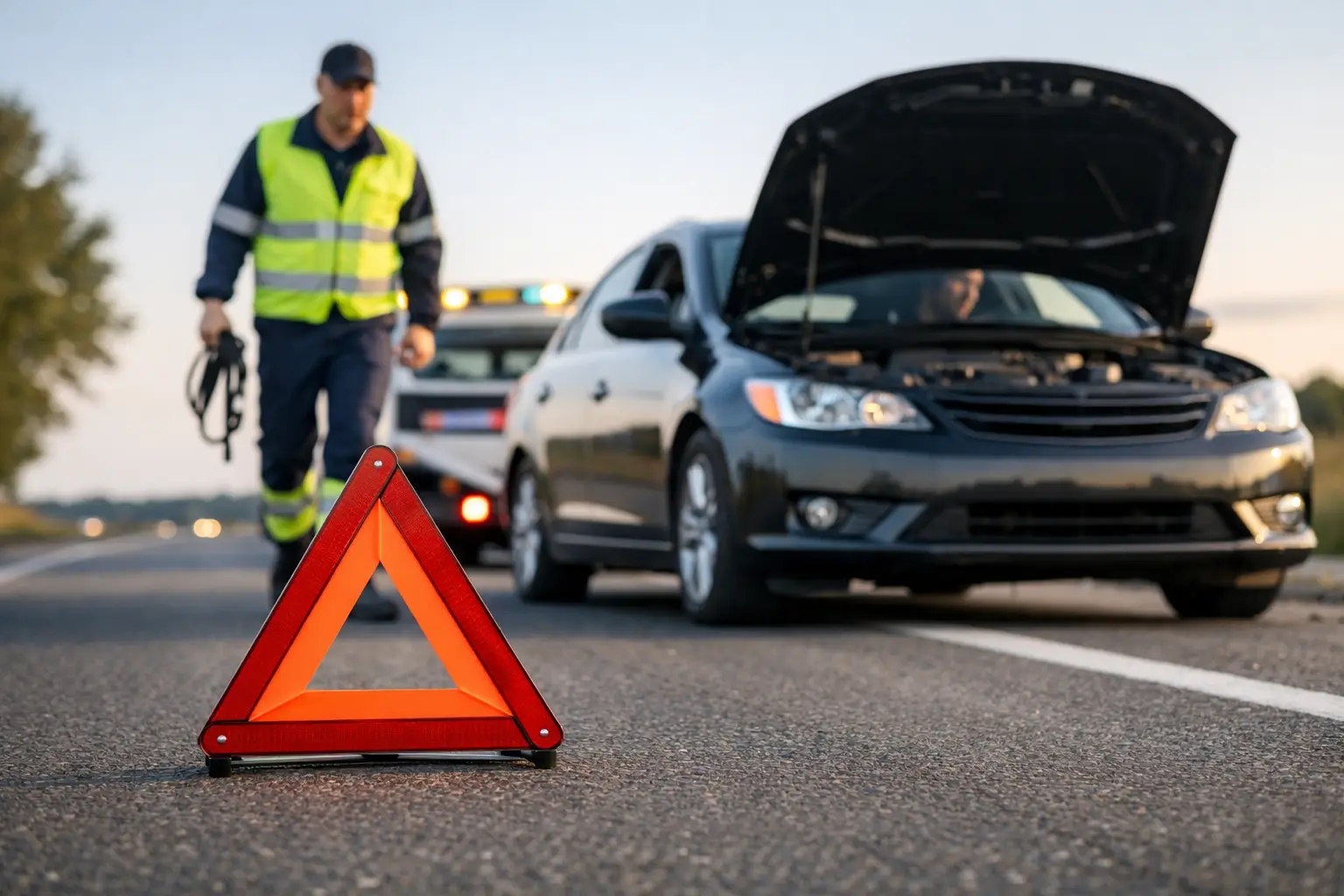
If the vehicle is on an active roadway, safety comes before diagnosing the problem. Move off the travel lane if the vehicle can be moved without creating more risk. Turn on hazard lights, keep passengers away from traffic when it is safe to do so, and avoid standing between the vehicle and passing cars.
Do not attempt a tire change on a narrow shoulder with fast-moving traffic nearby. Do not open a hot radiator cap. Do not keep cranking an engine that is producing smoke, unusual noises, or warning lights. Those choices can turn a manageable roadside issue into an injury or a larger repair.
For a truck stopped near traffic, the driver should follow company safety procedures and secure the area as required. Fleet managers can help by confirming the truck number, trailer information, exact location, and the symptoms reported by the driver before calling for service.
If there is an accident with injuries, a fire risk, a fuel leak, or an immediate traffic hazard, contact emergency services first. Roadside assistance is for vehicle and access problems, not a replacement for emergency response.
Give Dispatch the Details That Matter
A good service call starts with accurate information. “I am near Hammond” may not be enough for a technician to find a vehicle quickly, especially near highway exits, large parking areas, industrial sites, or rural roads. Use a street address, mile marker, nearby business, intersection, or map pin when available.
Explain the vehicle type and the issue in plain terms. For example, say whether the car has a flat tire, whether the battery is dead, whether keys are locked inside, or whether the truck lost power, has an air-system concern, or will not restart. You do not need to diagnose the repair. Clear symptoms are more useful than guesses.
Have these details ready when possible:
- Your exact location and a safe callback number
- Vehicle make, model, color, and license plate
- Whether the vehicle is in a safe parking area or on a roadway
- The specific problem you can see or hear
- For commercial vehicles, the truck number, unit type, and any dispatch or fleet contact requirements
This information helps the service provider prepare for the job and gives the driver a better idea of what assistance is appropriate. It also prevents a common delay: sending help for a tire or battery issue when the actual problem is a lockout or mechanical failure.
Common Problems and the Right Response
Dead Batteries and No-Start Calls
A vehicle that will not start may need a jump-start, but not every no-start condition is a dead battery. Dim lights, clicking when turning the key, or a recent history of slow starts can point toward battery trouble. No dash lights, strange warning messages, or repeated failed jump attempts may indicate another electrical or mechanical issue.
A roadside technician can assess the immediate situation and help determine whether the vehicle can be started safely. If it starts, do not assume the issue is permanently solved. A weak battery, poor connection, charging-system failure, or underlying mechanical problem can leave the vehicle stranded again.
Flat Tires and Tire Damage
A flat tire is often straightforward when the spare tire is usable, the wheel hardware is accessible, and the vehicle is parked safely. It becomes more complicated when there is no spare, the tire sidewall is damaged, wheel locks are missing, or the vehicle is positioned in a dangerous location.
Avoid driving on a flat tire just to reach a better spot unless there is no safer alternative and the vehicle can be moved only a very short distance. Driving on it can damage the wheel and make a tire problem more expensive.
Vehicle Lockouts and Key Access Problems
Lockouts can happen with keys left in the vehicle, misplaced keys, damaged key fobs, or a door that will not unlock properly. Automotive locksmith assistance is the right category when the main problem is access. It is different from general roadside service because modern vehicles may use transponder keys, electronic fobs, and security systems that require careful handling.
Do not force a door, pry a window, or use improvised tools. Damage to weather stripping, glass, locks, or electronics can cost more than getting professional help. If a child, vulnerable adult, or pet is locked inside a vehicle in unsafe conditions, call emergency services immediately.
Commercial Truck Problems
Commercial truck service requires the right information and a practical view of downtime. A truck that cannot continue safely may need roadside repair support, but the nature of the failure matters. Drivers should report warning lights, air pressure issues, starting problems, fluid leaks, unusual sounds, loss of power, and any symptoms that appeared before the truck stopped.
There is a trade-off between getting a truck moving quickly and making sure it is safe to return to service. A temporary roadside correction may be appropriate for some problems. Other conditions need a fuller repair before the vehicle can run a route. The priority should be safe operation, not simply moving the truck a few more miles.
Prepare Before the Next Breakdown
Most roadside calls are unexpected, but a few simple habits reduce stress when they happen. Keep the vehicle’s spare tire, jack, and lug wrench in their proper places. Store a flashlight, phone charger, reflective gear, and basic emergency supplies where they can be reached. Check the battery condition and tire pressure during regular maintenance rather than waiting for warning signs.
For commercial operations, keep driver contact information, unit records, maintenance contacts, and service authorization procedures easy to access. A driver should not have to search through multiple systems while parked on the roadside. Clear reporting procedures can shorten the time between the initial problem and the right repair response.
When a vehicle stops, focus on the next safe decision. Share your location, describe the issue clearly, and request the service that fits the problem. Fast, practical help begins with knowing whether you need roadside assistance, automotive locksmith support, or commercial truck repair.