
How Quickly Roadside Dispatch Works in Louisiana
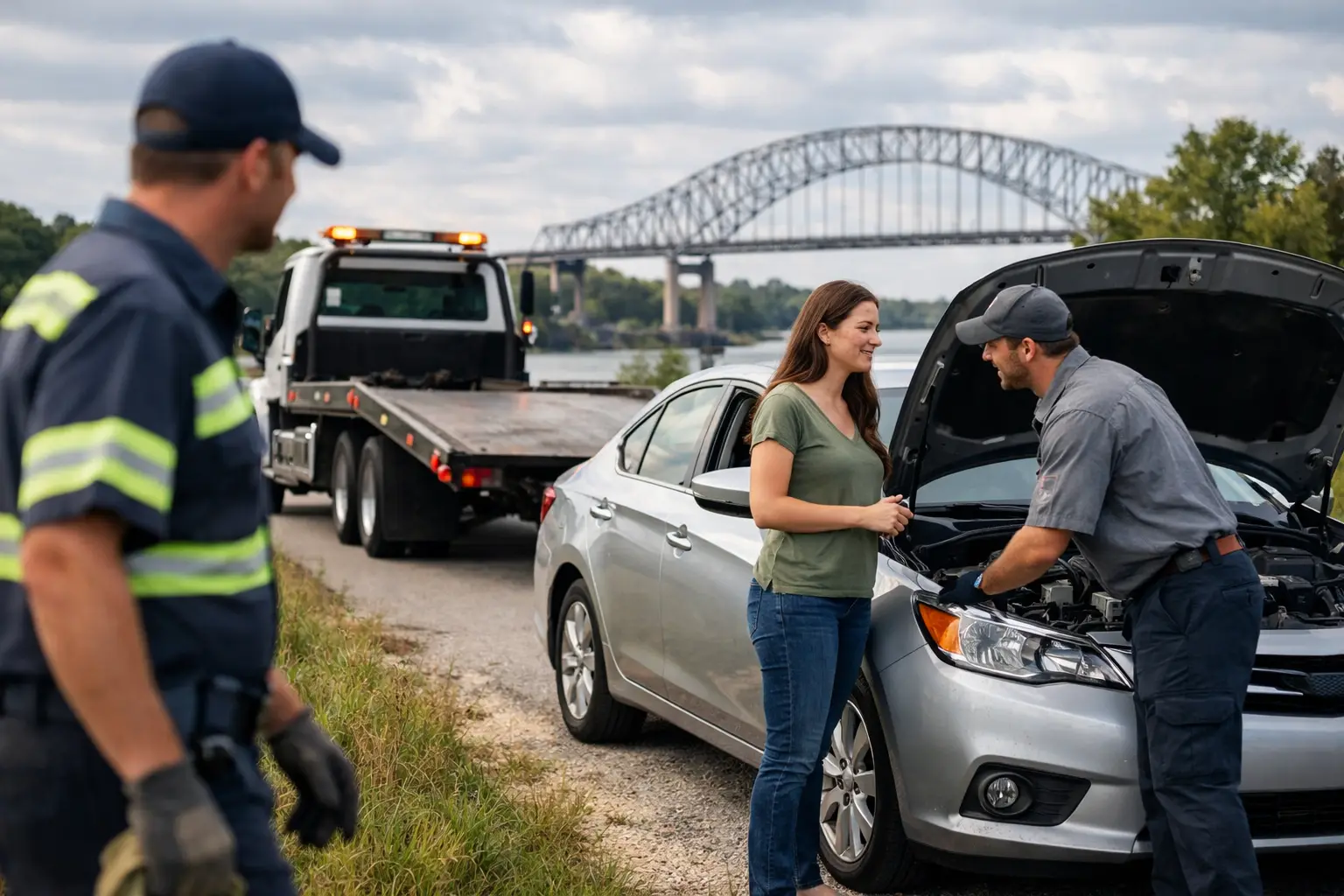
A dead battery in a grocery store parking lot and a disabled work truck on the shoulder create the same immediate question: how quickly roadside dispatch works when you need help now. The honest answer is that dispatch can begin within minutes, but the time until a technician reaches you depends on your location, the problem, traffic, weather, and which type of service is needed.
Roadside assistance is not one fixed process or one guaranteed arrival time. A lockout may require a different responder and equipment than a truck with an air-system issue. What matters is getting the right information to the dispatcher early, so the right mobile service can be sent without unnecessary back-and-forth.
How Quickly Roadside Dispatch Works From Call to Arrival
The process usually starts as soon as you provide a callback number, your location, and a clear description of what happened. Dispatch confirms what service fits the situation, checks the service area and responder availability, then assigns the call to a technician or mobile repair unit.
For a straightforward issue near Hammond or another accessible part of the local service area, dispatch may be able to move quickly. A nearby technician can head out after the call details are confirmed. If the vehicle is in a remote area, on a congested highway, behind a locked gate, or at a business with restricted access, locating and reaching the vehicle may take longer.
The dispatcher's job is not simply to send the closest vehicle. It is to send someone equipped for the problem. Sending a general roadside responder to a commercial truck repair issue may not solve the breakdown, so a few extra minutes spent assigning the proper service can prevent a much longer delay afterward.
What happens during the first few minutes
The first conversation should establish four things: where you are, what vehicle you have, what is wrong, and whether the location is safe to access. That information allows dispatch to determine whether you need basic roadside assistance, automotive locksmith support, or commercial truck repair.
For example, "I am locked out" is a useful starting point, but the dispatcher may also need the vehicle year, make, model, and whether the key is inside, missing, broken, or not recognized by the vehicle. For a truck breakdown, details such as the unit number, engine or warning lights, whether the truck can move, and whether it is loaded help determine the appropriate response.
What Can Change a Roadside Dispatch Time
No responsible roadside company should promise the same arrival time for every situation. Conditions change throughout the day, and an accurate estimate depends on the call itself.
Traffic is one of the biggest factors. A responder may be only a few miles away but delayed by an accident, construction zone, flooded roadway, or heavy congestion. Louisiana weather can also change the pace of a call. Severe rain, lightning, standing water, and poor visibility affect safe travel and may require more caution at the scene.
The vehicle's location matters just as much. A car parked in a well-marked lot is generally easier to reach than one stopped on a highway shoulder with unclear landmarks. Commercial vehicles can add access issues, especially at warehouses, industrial sites, distribution yards, or locations where security must approve entry.
Service complexity also affects the total time you experience as a customer. Dispatch and travel time are only part of the equation. A battery jump may be completed quickly if the battery is simply discharged. A no-start condition caused by another mechanical or electrical problem requires diagnosis. A truck repair call may involve an assessment before the technician can determine whether an on-site repair is practical or further repair is required.
Give Dispatch Information That Saves Time
The fastest way to slow a roadside call is to provide a vague location. "Near the interstate" may not be enough, particularly if there are several exits, frontage roads, or travel directions involved. Use your phone's map to identify the nearest address, highway mile marker, exit number, cross street, business name, or GPS pin.
When calling for help, be ready to provide the following details:
- Your name and callback number
- Your exact location and direction of travel, if you are on a highway
- The vehicle year, make, model, color, and license plate when available
- The service needed, such as a lockout, jump-start, tire issue, fuel delivery, or truck repair
- Any safety concern, including a blocked traffic lane, children in the vehicle, or an unsafe shoulder
For commercial drivers and fleet managers, add the truck number, trailer information, load status if relevant, and the symptoms the driver observed. A driver who can report that the truck lost air pressure, will not crank, has a warning light, or has a tire-related issue gives dispatch a better chance of assigning the correct mobile repair capability from the start.
Do not guess if you are unsure. Say what you know and what you do not know. Clear facts are more useful than a rushed diagnosis.
Roadside Assistance, Locksmith Calls, and Truck Repairs Move Differently
A roadside dispatch system has to match the response to the actual problem. That is why arrival expectations can differ between a passenger vehicle lockout and a disabled commercial truck.
Passenger vehicle roadside service
Common roadside calls include jump-starts, flat-tire assistance, fuel delivery, and minor mechanical trouble. These requests are often direct when the vehicle is safely accessible and the issue is clearly described. The responder can arrive with standard roadside equipment and assess the situation on site.
Still, a simple request can become more involved. A jump-start that does not restore the vehicle may point to a bad battery, loose connection, alternator problem, or another fault. The initial service call is still worthwhile because it identifies the next practical step instead of leaving you stranded without answers.
Automotive locksmith service
Lockouts need careful handling. The technician must verify authorization and use methods appropriate for the vehicle. Modern key systems, damaged keys, missing fobs, and ignition-access issues may require more than opening a door. Giving accurate vehicle information before dispatch helps avoid sending a responder without the tools or key-support capability your vehicle requires.
Commercial truck repair
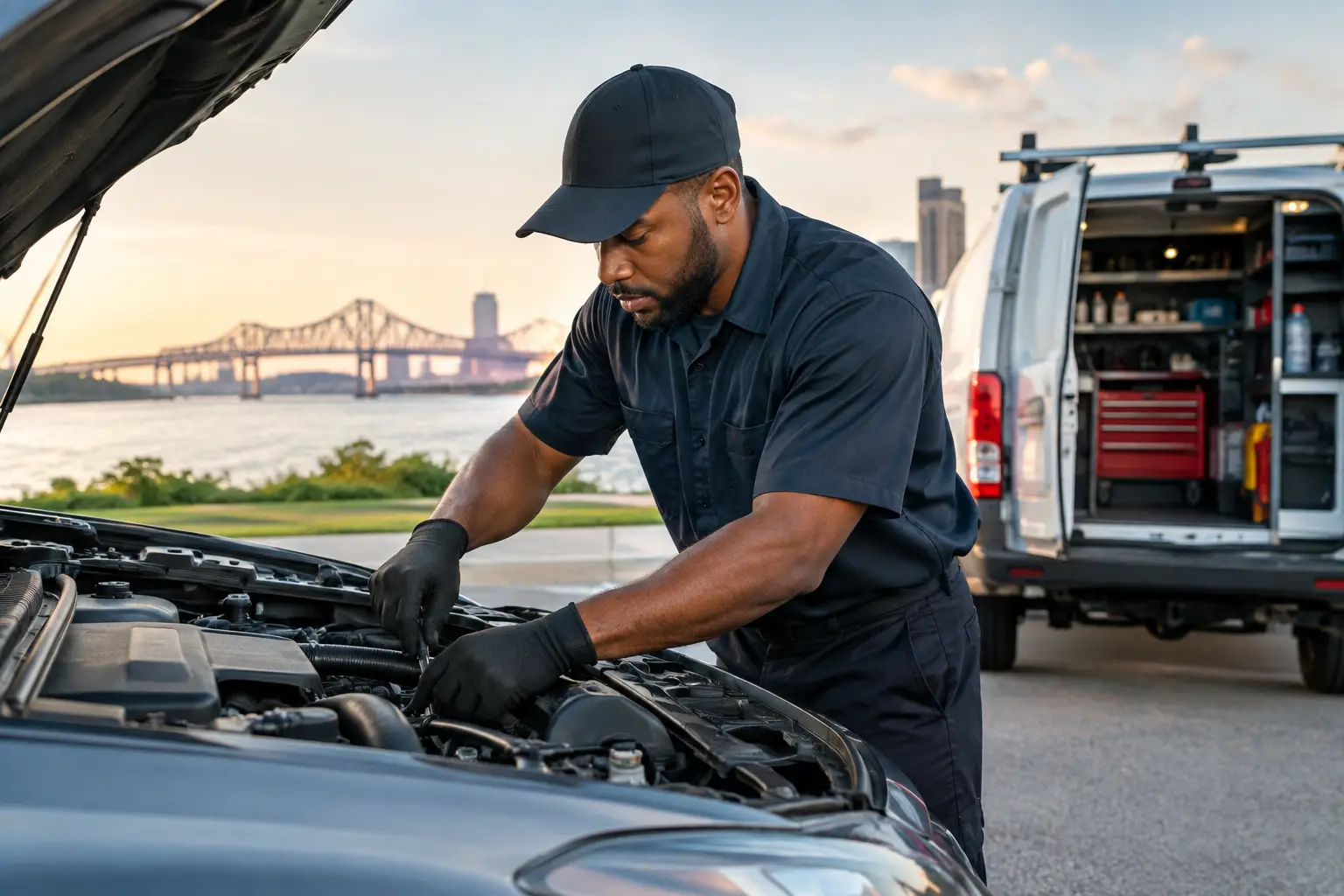
Truck downtime has a wider impact. A disabled tractor can delay a delivery, disrupt a driver's hours, create a customer-service issue, and leave equipment exposed on the roadside or at a facility. Commercial truck dispatch must account for the type of truck, symptoms, site access, safety conditions, and repair equipment needed.
That is why a local provider that handles roadside assistance, locksmith work, and commercial truck repair can be useful. Hopper Roadside can direct a call based on the real problem rather than forcing drivers or fleet managers to start over with separate providers for separate needs.
Safety Comes Before a Faster Arrival
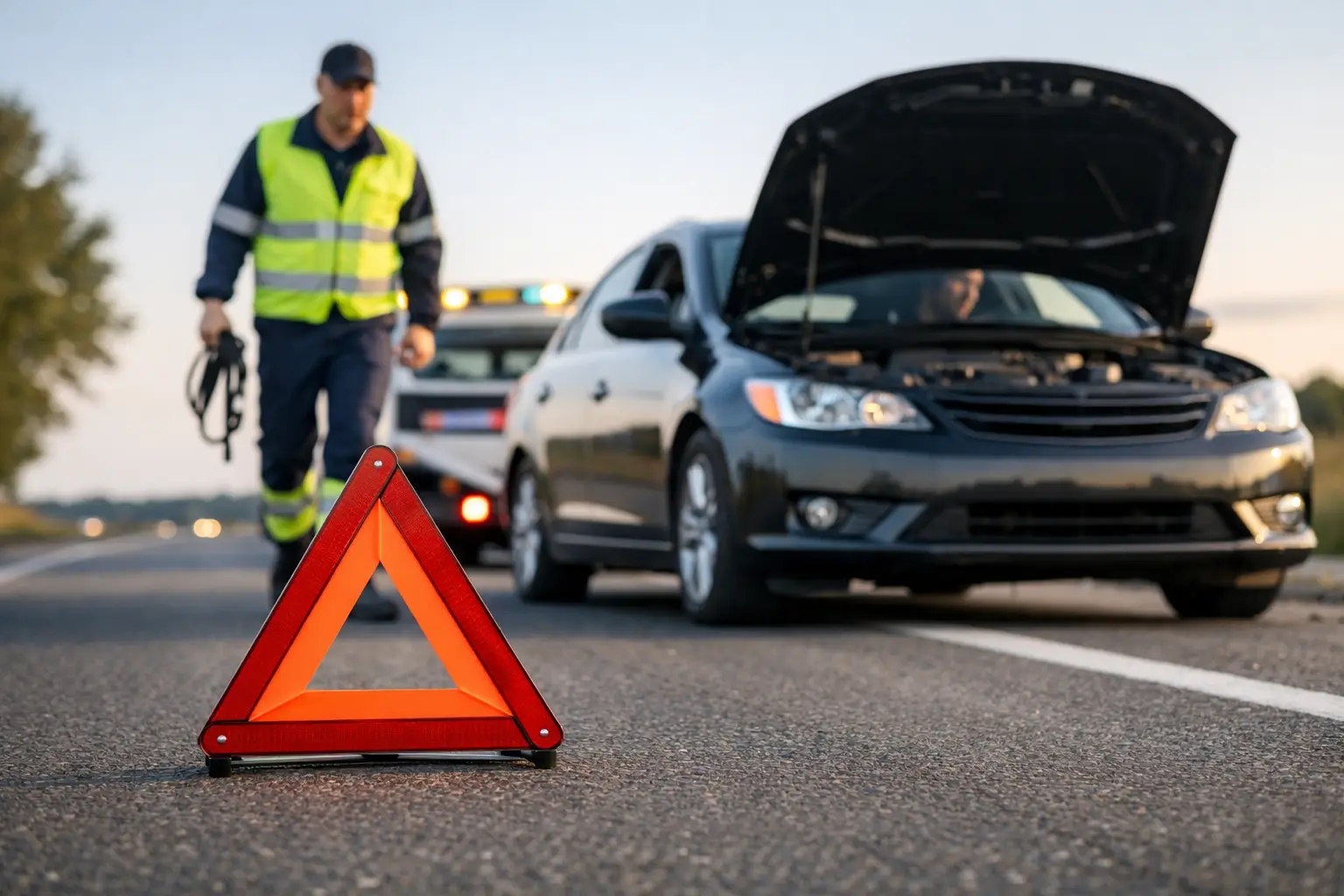
While dispatch is working, put safety first. Move the vehicle out of traffic if it can be done safely. Turn on hazard lights, stay aware of passing vehicles, and avoid standing between your vehicle and traffic. If you are on a busy highway shoulder, remain in a safer position away from the travel lane when conditions allow.
If the vehicle cannot be moved, tell dispatch exactly where it is positioned. A vehicle partly blocking a lane, stopped near a curve, or stranded in low visibility presents a different situation than one parked in a lot. If there is an injury, fire, fuel leak, immediate roadway danger, or other emergency, contact 911 first.
Commercial drivers should follow company safety procedures, use required warning devices when it is safe to do so, and communicate any hazardous conditions clearly. The goal is not only to get repair help moving. It is to keep the driver, the public, and the responding technician safe when help arrives.
Set Realistic Expectations Without Losing Time
The best roadside dispatch is fast, but speed alone is not the measure of a useful response. Accurate location details, honest arrival estimates, proper service matching, and a technician prepared for the vehicle problem all reduce the chance of a second delay.
If an estimate changes because of traffic, weather, or an earlier emergency call, a clear update matters. You can use the wait time to gather your registration, locate the exact vehicle position, notify your fleet manager or family member, and move to a safer area if possible.
When your vehicle stops cooperating, focus on the next useful action: give dispatch a precise location, describe the problem plainly, and make the scene as safe as you can. That information gives the responding team the best chance to reach you prepared and get you moving again.