
Roadside Assistance for Rental Cars When Stuck
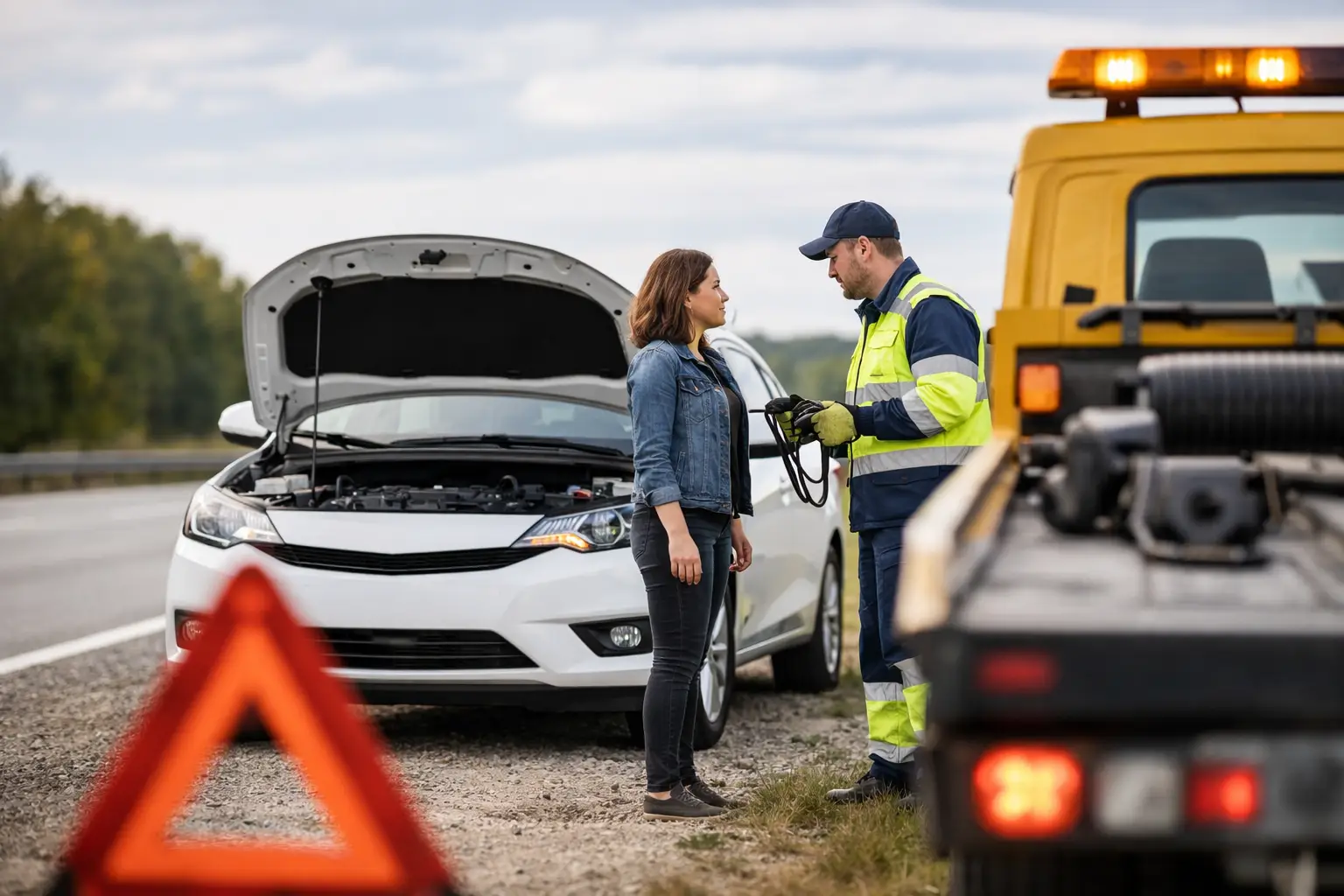
A rental car problem can turn a normal trip through Louisiana into a time-sensitive mess fast. Roadside assistance for rental cars may cover a flat tire, dead battery, lockout, or other breakdown, but the right first call depends on the rental agreement, the cause of the problem, and where the vehicle is parked.
The priority is simple: get yourself to a safe place, protect the rental company’s vehicle, and avoid paying for service the wrong way. A local provider can often handle the immediate problem, but the rental company still needs to know what happened before certain repairs, towing, or key-related work begins.
Start With Safety, Then Contact the Rental Company
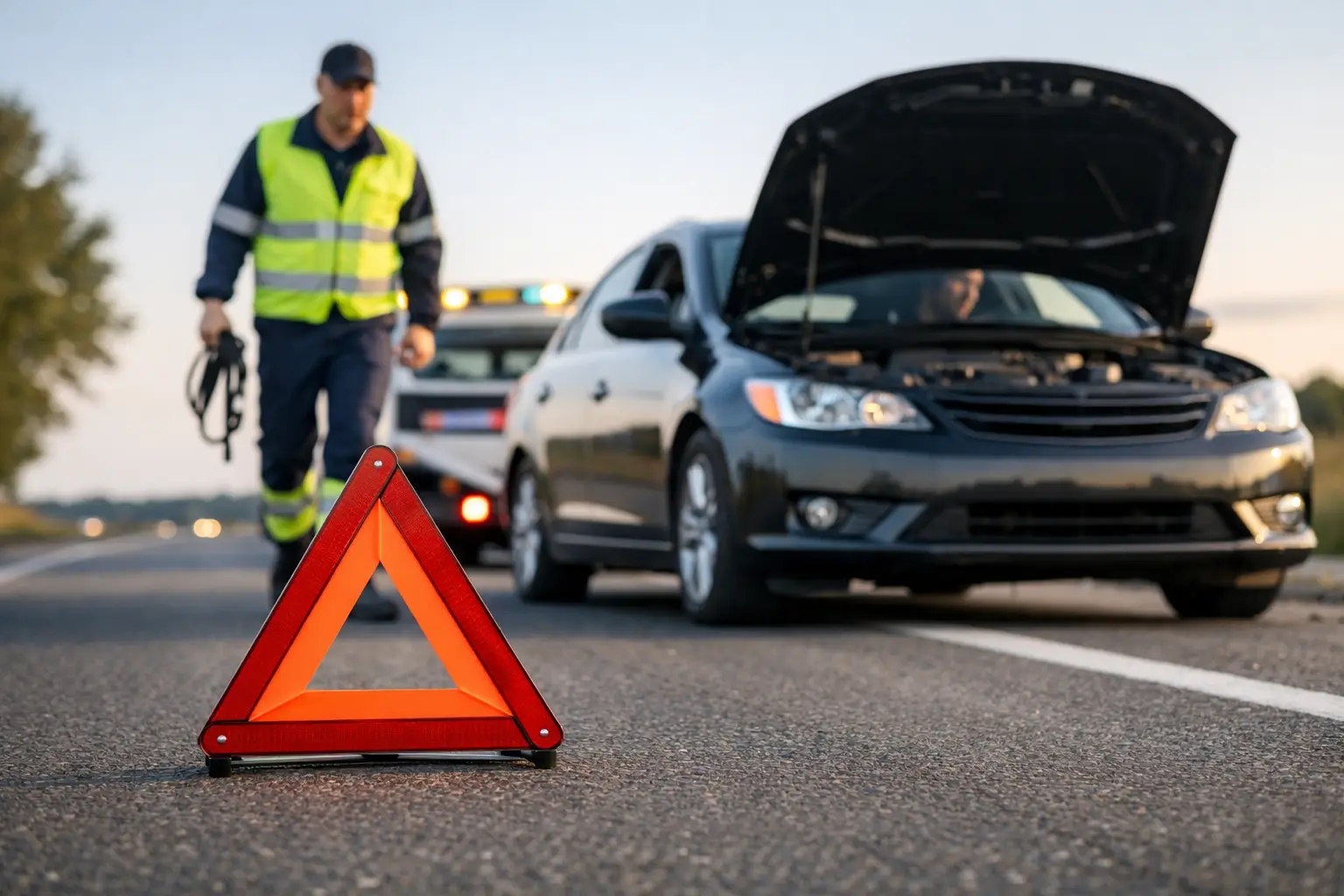
If the car is disabled in traffic, on a narrow shoulder, or in an unsafe area, move away from traffic if you can do so safely. Turn on hazard lights. Do not stand beside the vehicle, especially near fast-moving traffic or at night. If there is an injury, collision, or immediate danger, call emergency services first.
Once everyone is safe, find the rental company’s roadside number. It is usually on the rental agreement, key tag, windshield paperwork, or the company’s app. Call it before arranging non-emergency service when possible. The rental company may send its own provider, direct you to an approved vendor, authorize a local technician, or arrange a replacement vehicle.
This matters because rental agencies set their own rules for reimbursement and repairs. Paying a service provider directly may be necessary in some situations, but reimbursement is not automatic. Ask the representative for the case number, the name of the person authorizing service, and clear instructions about what work is approved.
What Roadside Assistance for Rental Cars Usually Covers
Coverage varies by rental company and by the protection package selected at the counter. Basic help may be included with the rental, available through a paid roadside plan, or provided through another benefit such as a credit card, personal auto policy, or travel membership.
Common roadside issues include a dead battery, a flat tire, an empty fuel tank, a vehicle lockout, and towing after a mechanical breakdown. The difference is often whether the issue resulted from a vehicle defect or from driver circumstances.
For example, a mechanical failure that was not caused by the driver may be handled by the rental company with little or no charge. A lockout caused by leaving keys inside, a lost key, a run-out of fuel, or damage from hitting a road hazard may come with a service fee. A flat tire is especially case-specific. Some rental companies will provide help without charge, while others may bill for tire damage, towing, or an unauthorized replacement.
Do not assume your personal roadside plan applies simply because you are the one driving. Many plans do cover rental vehicles, but limits can apply by vehicle type, distance, location, or service category. Read the terms or call the benefit administrator before relying on it.
Check Your Rental Agreement Before Authorizing Repairs
The rental agreement is not exciting reading, but it answers the questions that matter when you are stuck. Look for roadside assistance terms, prohibited repairs, towing instructions, tire policies, loss or damage waiver terms, and out-of-service fees.
Most rental companies do not want a customer authorizing major mechanical repairs. A jump-start, tire change, fuel delivery, or vehicle entry service may be straightforward. Replacing a tire, programming a key, repairing collision damage, or moving a vehicle long distance usually requires rental-company approval.
Take photos of the vehicle and the issue before work begins when it is safe to do so. Photograph the tire, dashboard warning lights, fuel gauge, damage, and the vehicle’s location if relevant. Keep all invoices and dispatch records. Those details can help if there is a later question about charges or the vehicle’s condition.
When a Local Roadside Provider Makes Sense
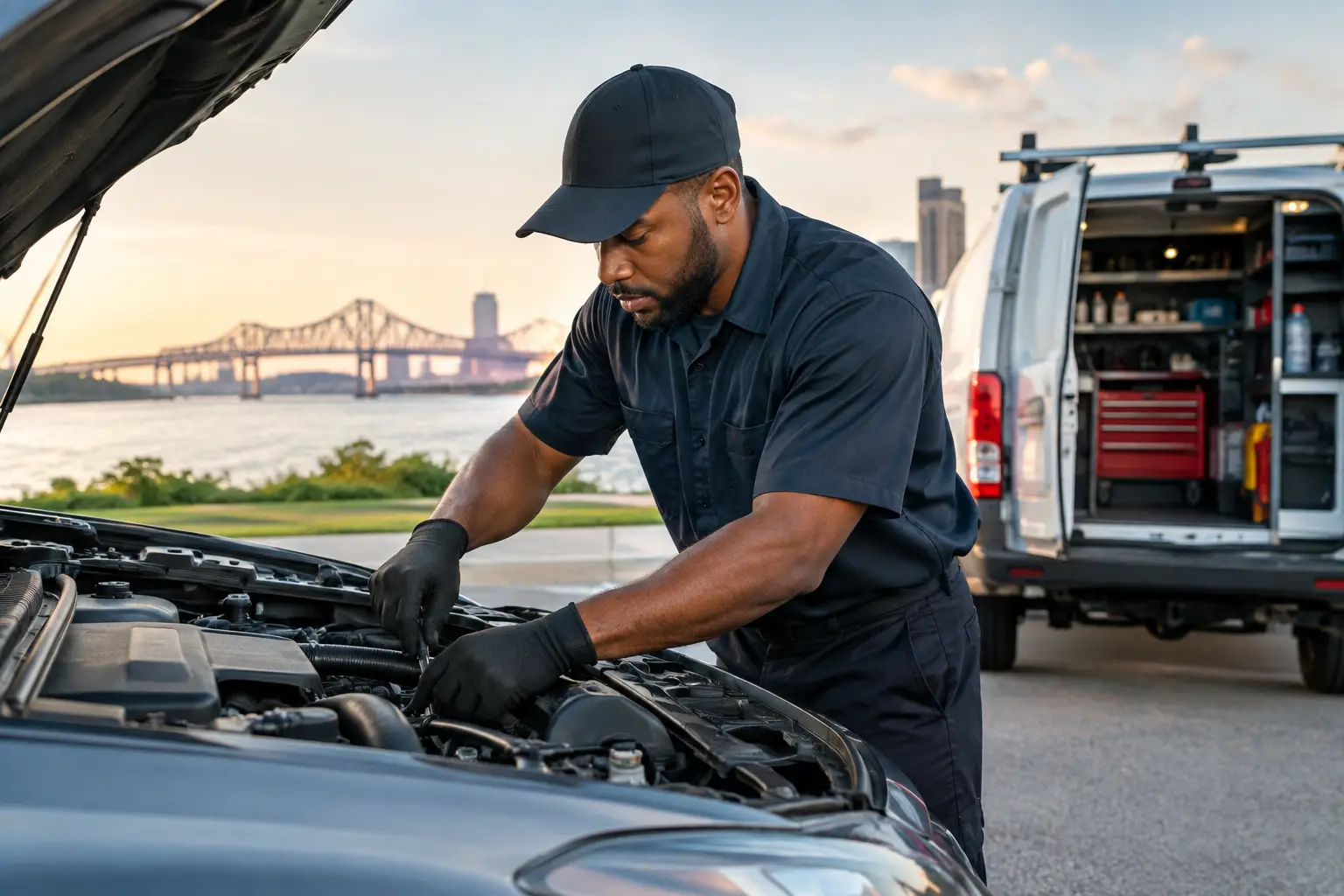
Rental-company dispatch can be useful, but it may not always be the fastest option. If you are in Hammond or nearby and the rental company authorizes outside help, a local roadside provider can address straightforward problems where the vehicle sits.
A dead battery may need a jump-start. A flat may require a tire change if a usable spare is available. A lockout may require vehicle entry service. These are time-sensitive issues, and the person dispatching assistance needs accurate details to send the right help.
When calling for service, provide the rental car’s make, model, color, license plate, and exact location. Mention whether you are in a parking lot, on an interstate shoulder, at a hotel, or at a business. State the problem plainly: dead battery, flat tire, keys locked inside, lost key, no fuel, warning light, or mechanical failure.
Hopper Roadside provides local roadside assistance and automotive locksmith support for drivers dealing with urgent access and vehicle problems in the Hammond area. For a rental car, the key step is confirming what the rental company has authorized before work starts.
Lockouts and Lost Rental Keys Need Extra Care
Rental key problems are not always routine lockouts. If the keys are visible inside the vehicle, the rental company may approve a local lockout service. If the key is missing, broken, or electronic, the rental company may need to arrange a replacement through its own process.
Modern rental vehicles often use transponder keys, key fobs, remote-start systems, or push-button ignitions. Creating or programming a new key without the rental company’s authorization can create billing and ownership-verification problems. Never try to force a door, break a window, or use improvised tools. Damage to the vehicle can cost far more than a professional entry service.
If the vehicle will not recognize the key or displays a security warning, report that exact message to the rental company. It may be an immobilizer issue, a weak fob battery, or a vehicle fault that requires a replacement rental instead of roadside service.
Towing and Mechanical Breakdowns
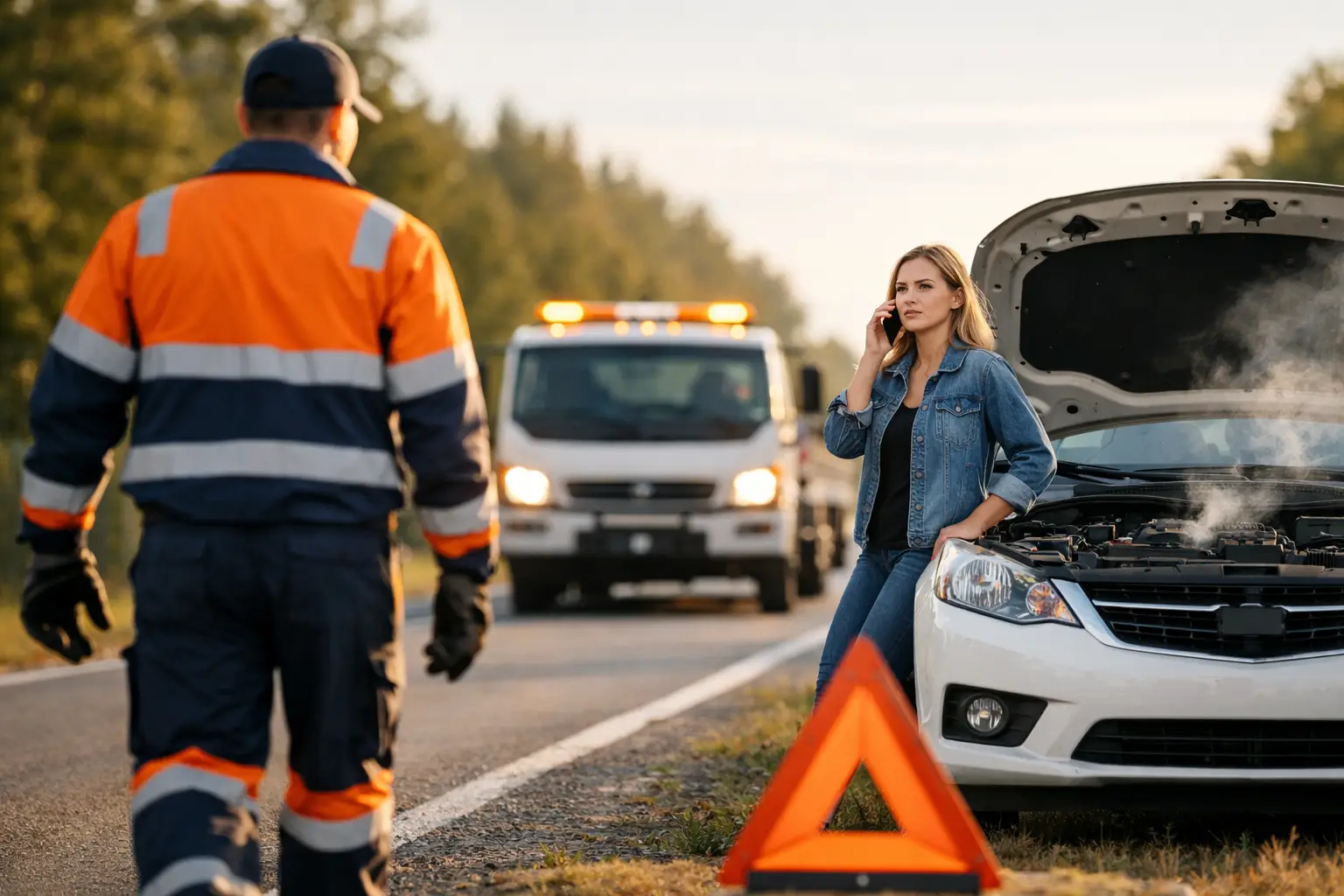
A warning light, overheating engine, brake issue, or transmission problem is different from a simple roadside call. Stop driving if the vehicle is overheating, leaking fluid, producing smoke, making severe mechanical noise, losing power, or showing a red warning indicator. Continuing to drive can turn a manageable breakdown into significant damage.
Call the rental company and explain the symptoms. Ask whether they want the vehicle towed, where it should go, and how you will receive another rental. Do not let an unapproved tow truck take the vehicle unless there is an immediate safety reason and you have confirmed its identity. Keep the tow operator’s name, company, destination, and receipt.
For commercial rentals, cargo vans, or work trucks, notify the fleet manager or employer as well. The person responsible for the rental contract may need to approve service, coordinate cargo transfer, or make decisions about downtime. If the vehicle is a commercial truck rather than a standard rental car, the repair needs may be more involved and should be handled through an appropriate commercial truck repair response.
Avoid Charges That Could Have Been Prevented
You cannot prevent every roadside event, but a few checks at pickup reduce avoidable trouble. Before leaving the rental lot, confirm the fuel level, inspect tires and visible damage, test the key or fob, and make sure you know where the roadside number is located. Take timestamped photos of the vehicle condition.
During the rental, keep the agreement and roadside contact information in your phone. Avoid driving on a low tire, ignore no warning lights, and do not attempt repairs that the rental company has not approved. If a dashboard light appears, deal with it early instead of waiting until the vehicle fails on the road.
A roadside problem does not have to end the trip, but it does require the right order of action. Get safe, contact the rental company, document the issue, and use qualified local help when authorized. That approach protects you, the vehicle, and your ability to get moving again.