
After Hours Locksmith Guide for Louisiana Drivers
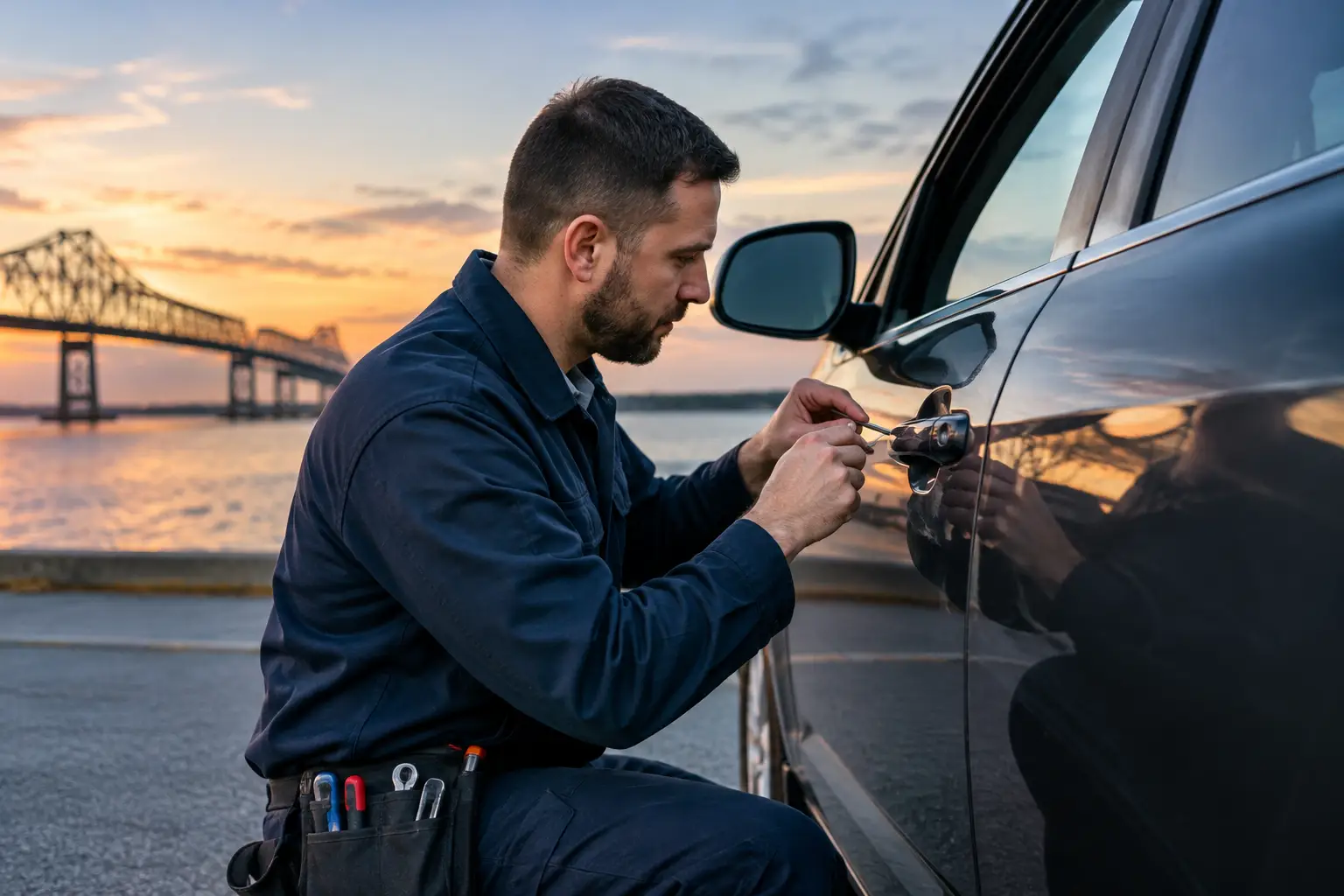
A vehicle lockout after dark changes the priorities fast. You may be parked at a gas station, outside your home, on the shoulder, or at a delivery stop with your keys inside the vehicle. This after hours locksmith guide focuses on the decisions that protect your safety, your vehicle, and your time while help is on the way.
The goal is not to turn a stressful situation into a repair project. Forced entry, broken glass, improvised tools, and repeated attempts with a damaged key can turn a lockout into a more expensive problem. A qualified mobile automotive locksmith can assess the vehicle, gain access without unnecessary damage, and help determine whether the issue is a simple lockout, a failed key fob, a broken key, or an ignition problem.
Start With Safety Before the Lockout
If you are stranded on a busy road, move yourself away from traffic if you can do so safely. Stand behind a guardrail, stay in a well-lit public area, or wait inside a nearby business when available. If your vehicle is in an unsafe location, tell the dispatcher immediately. Your exact location, vehicle direction of travel, and nearby landmarks can matter as much as the make and model.
Call 911 first if there is an immediate threat to you, a child, a vulnerable adult, or an animal inside the locked vehicle. The same applies if you are in a collision scene, on an active highway shoulder, or concerned that someone is following you. A locksmith is the right call for access problems, but emergency services are the right call when life safety is involved.
At a home, apartment complex, or workplace, choose a visible place to wait rather than sitting alone in a dark parking area. Keep your phone charged if possible. If your battery is low, send a quick message to someone you trust with your location and the service provider you contacted.
What to Do While You Wait for an After Hours Locksmith
Once you have called for help, avoid repeatedly pulling door handles or pressing the fob buttons. That will not usually solve the problem, and it can drain an already weak fob battery or make it harder to identify the actual issue. Gather what the technician will need: your location, vehicle year, make, model, color, and whether you have any working key or remote available.
Have proof that you are authorized to access the vehicle. A driver's license, registration, insurance card, rental agreement, or employer authorization may be needed. Documents may be inside the vehicle during a lockout, and a professional can explain how verification is handled in that situation. This step protects vehicle owners from unauthorized entry attempts.
Be clear about the symptoms. Say whether the keys are visible inside, the remote stopped working, the key broke in the door or ignition, the trunk is locked, or the ignition will not turn. Those details help determine whether you need lockout service, key extraction, key replacement, programming support, roadside assistance, or a different repair response.
Do not use coat hangers, screwdrivers, wedges, slim-jim tools, or online tricks unless you are trained for your specific vehicle. Modern vehicles often have side airbags, sensitive wiring, electronic latches, weather seals, and anti-theft systems in areas that can be damaged during an attempted entry. What looks like a quick fix can leave you with a bent door frame, water leaks, damaged paint, or an inoperable lock.
How to Choose the Right Help at Night
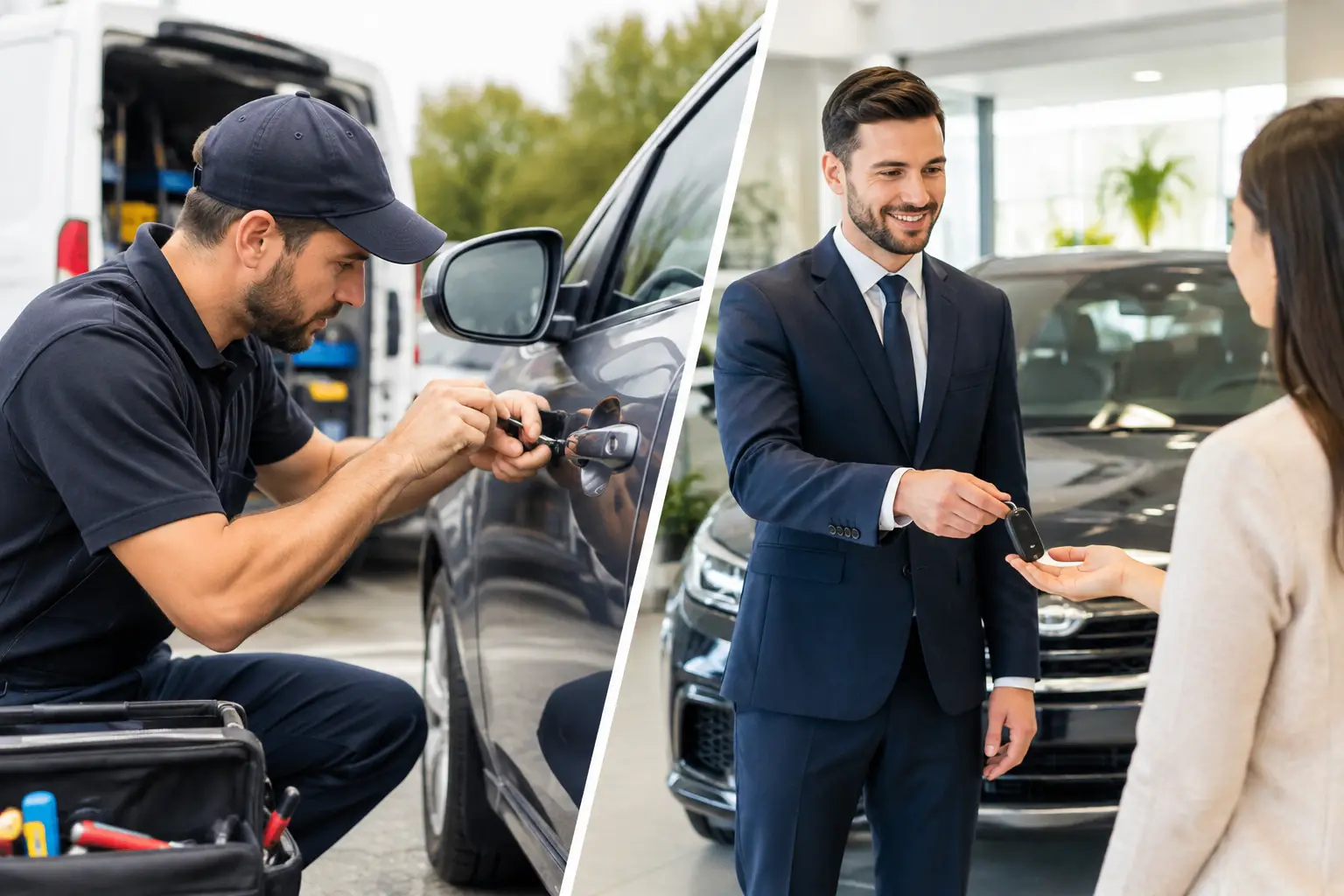
After-hours service should still be professional service. Before confirming a dispatch, ask whether the provider handles automotive lockouts for your vehicle type and whether they can help with your specific problem. A basic lockout and a lost proximity key are not the same job.
A legitimate provider should be able to explain the service category, ask for vehicle details, and give you a clear understanding of the process. Pricing can depend on distance, time of day, vehicle type, the lockout method, key programming needs, and whether parts are required. Ask for the expected service charge and whether additional costs may apply before work begins.
Be cautious with vague pricing or a provider who will not identify the business. You should not have to agree to open-ended work just to get a technician dispatched. At the same time, recognize that an accurate total may not be possible until the technician sees a broken key, failed ignition cylinder, or electronic key system in person. Clear communication is the standard, not a guess made over the phone.
For drivers in and around Hammond, Louisiana, a local mobile response can be especially useful when the lockout overlaps with another vehicle problem. A dead battery, a key fob issue, a flat tire, or a truck mechanical concern may need more than one type of assistance. Hopper Roadside provides roadside assistance, automotive locksmith support, and commercial truck repair so drivers can start with one local call when the situation is not limited to a locked door.
After Hours Locksmith Guide for Common Vehicle Problems
Keys locked inside the vehicle
This is often the most straightforward situation, but the vehicle design still matters. A technician can use the appropriate entry method for the door, lock system, and vehicle condition. Tell the dispatcher if the engine is running, a child or pet is inside, or the vehicle is parked in an unsafe area. Those facts change the urgency of the response.
Key fob does not work
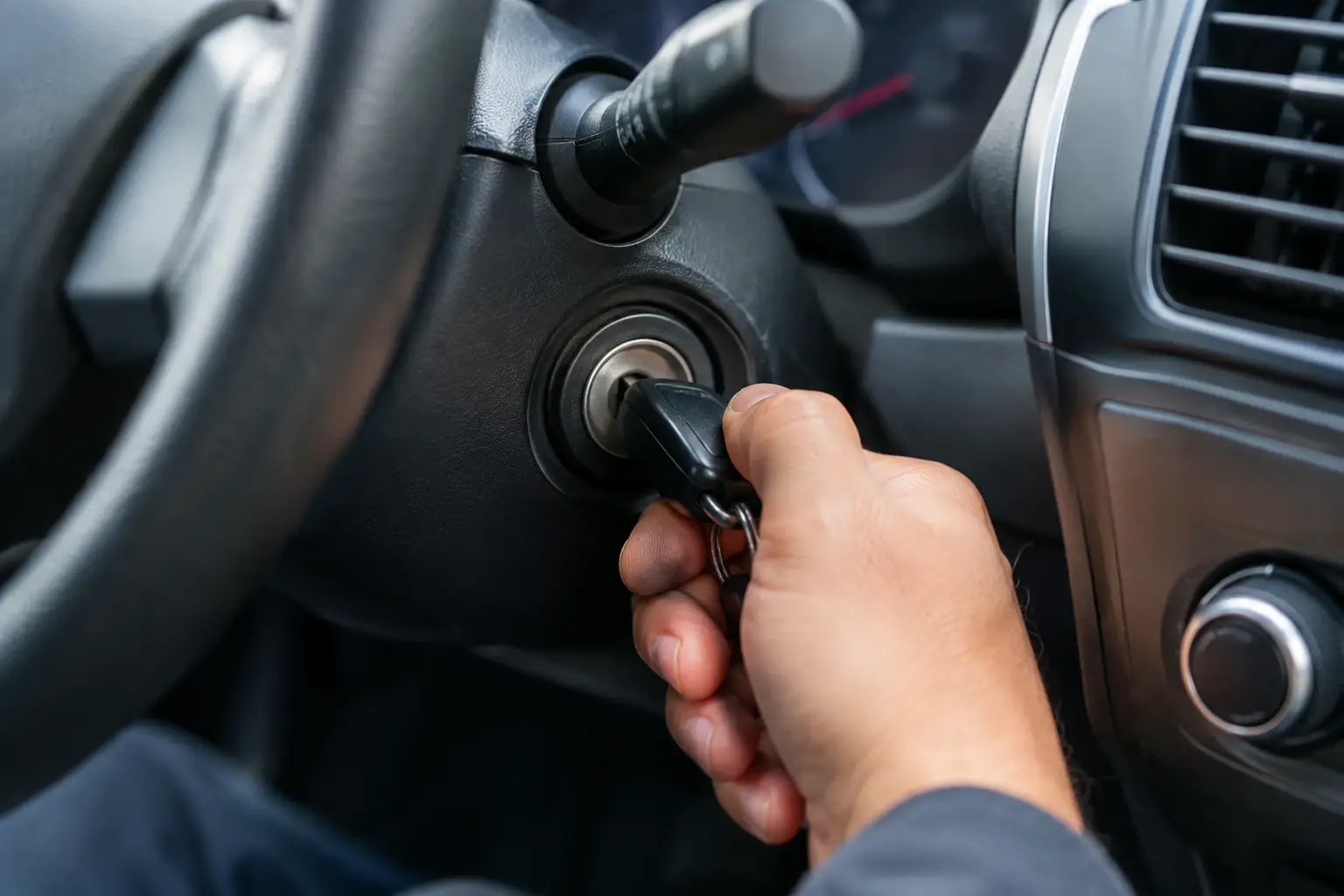
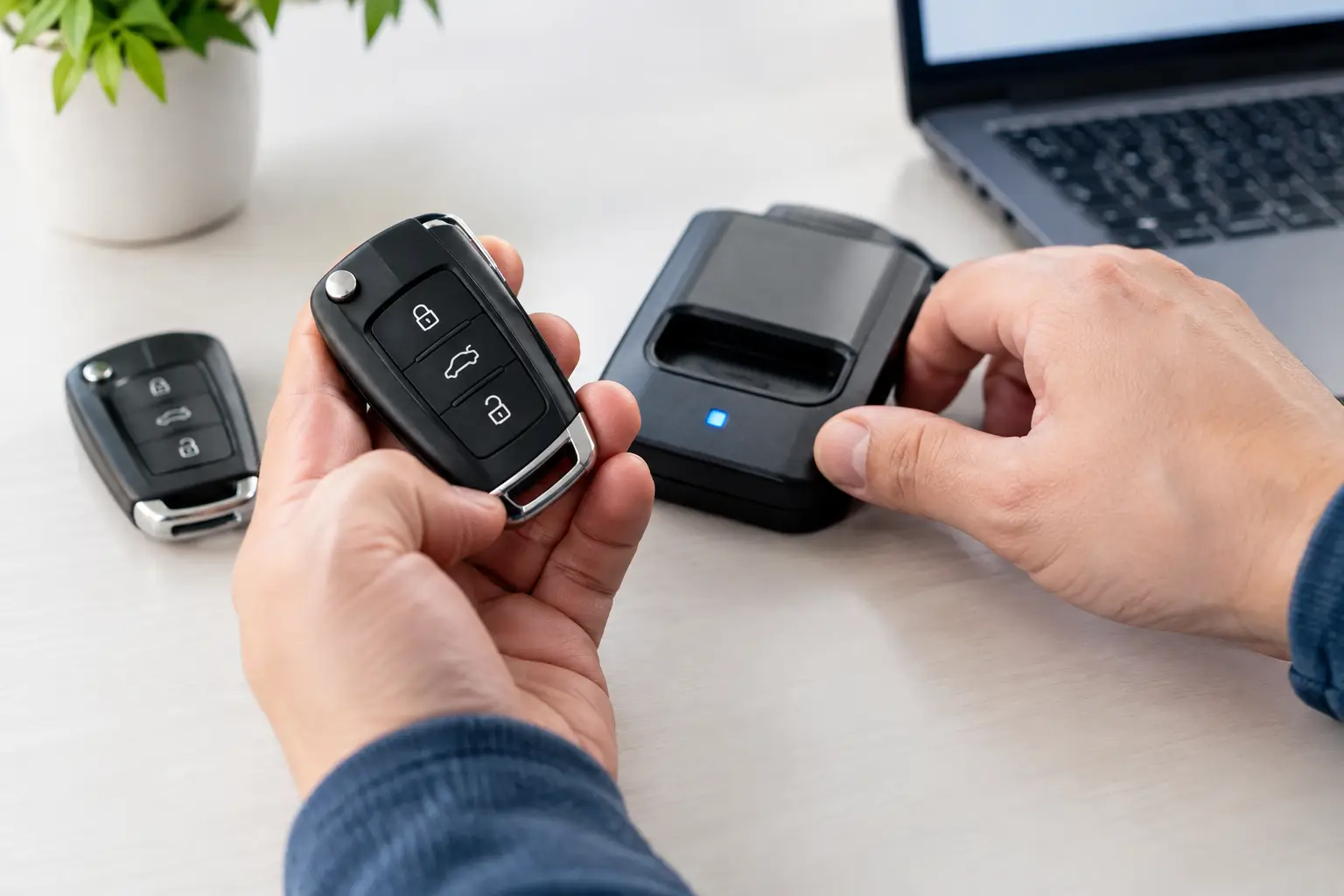
A dead fob battery is one possibility, but not the only one. The vehicle battery may be weak, the fob may be damaged, the key may need programming, or there may be an issue with the vehicle's receiver. Many vehicles have a mechanical emergency key inside the fob and a designated location for starting the vehicle when the fob battery is weak. Your owner's manual can help if you can access it, but do not force the fob apart or damage the emergency key slot.
Broken key in the door or ignition
Stop turning or pulling the key as soon as it binds or breaks. Pushing a broken piece farther into the cylinder can make extraction harder and may damage the lock. A locksmith can assess whether the piece can be removed and whether the key, cylinder, or ignition requires further service. If the ignition is involved, do not use pliers or adhesive products to try to pull the fragment out.
Lost or stolen keys
A lost key can be inconvenient. A stolen key can be a security concern, particularly if the person who took it knows where you live or work. Depending on the vehicle, replacement may involve cutting a new key, programming a transponder or remote, and removing the missing key from the vehicle's recognized key list. Ask what options fit your vehicle and whether you need to secure it before leaving it parked overnight.
Commercial truck or fleet access issues
For an owner-operator or fleet manager, a lockout can stop a route, delay a pickup, and leave a driver exposed at a truck stop or roadside location. Give the service provider the truck make, model, unit number, exact location, and whether the problem affects cab access, ignition access, trailer security, or the ability to move the vehicle. If the truck also has a mechanical issue, report that at the start so the dispatch can be matched to the work needed.
Information That Speeds Up the Dispatch
A short, accurate call helps the technician arrive prepared. Be ready to provide these details:
- Your exact location, including highway, exit number, business name, or mile marker when possible.
- The vehicle year, make, model, color, and license plate if available.
- The lock or key problem you are experiencing and whether the engine is running.
- A safe callback number and any access concerns, such as a gated lot or a heavy-traffic shoulder.
If you are traveling through Louisiana, do not assume a nearby city name is enough. Rural roads, frontage roads, parking lots, and interstate exits can be confusing after dark. Share a map pin if your phone allows it, but also describe what you can see around you.
Prevent the Next Late-Night Lockout
A spare key is useful only if it is actually accessible. Leaving it inside the same vehicle does not help. Consider keeping a properly secured spare with a trusted person, especially if you travel frequently, manage work vehicles, or share a car with family members. For fleet vehicles, establish a documented key-control process so drivers know who to contact when access is lost.
Replace weak fob batteries before they fail completely, and inspect keys that are bent, cracked, or hard to turn. Keep your roadside and locksmith contact information saved before an emergency happens. When the parking lot is dark and your vehicle will not open, the best next step is the one that gets qualified help moving toward your location without creating a second problem.