
Ignition Key Sticking? What to Do Before It Breaks
An ignition key that will not turn, will not come out, or needs to be wiggled every time you start the vehicle is more than an annoyance. Ignition key sticking is often an early warning that the key, ignition cylinder, steering lock, or shift interlock needs attention. Force it too hard, and a manageable access problem can become a broken key and a vehicle that cannot be moved.
If you are parked at home, you may have time to diagnose the issue carefully. If you are stuck at a store, on the shoulder, or trying to get back on the road in Hammond or elsewhere in Louisiana, the safer move may be to call for roadside locksmith help before the key fails completely.
First, Identify How the Ignition Key Is Sticking
The right response depends on what the key is doing. A key that will not turn is usually a different problem from a key that turns but will not release from the ignition.
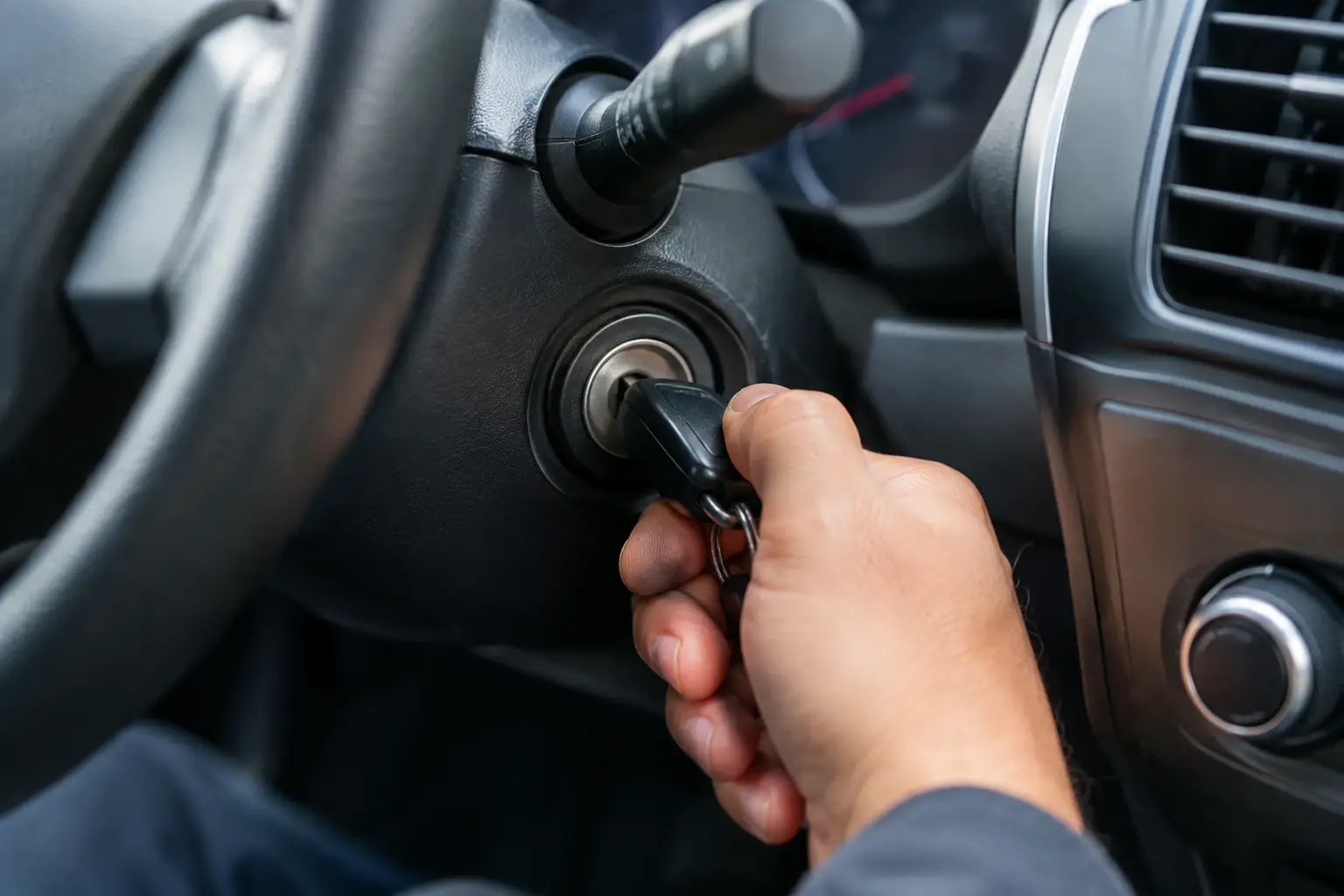
If the key will not turn at all, look at the steering wheel first. Many vehicles engage a steering lock when the wheel is turned after parking. The pressure from the wheel can bind the ignition lock, making it feel as if the key is stuck. Hold the brake, gently move the steering wheel left and right, and turn the key with light, steady pressure. Do not jerk the key or use pliers.
If the key turns but will not come out, confirm the vehicle is fully in Park. Move the shifter firmly into Park, keep your foot on the brake, and try again. On some vehicles, a worn shift linkage, faulty park-position switch, or failing shift interlock can prevent key release even when the shifter appears to be in the right position.
A key that only works after repeated wiggling points more often to a worn key blade or worn tumblers inside the ignition cylinder. That problem rarely improves on its own.
Safe Steps to Try Before Calling for Help
Start with the simple checks, but keep the pressure light. Turn off accessories, place the transmission in Park, set the parking brake, and make sure the steering wheel is not locked against the curb or at full turn. Then use the key you normally use and try a smooth, controlled motion.
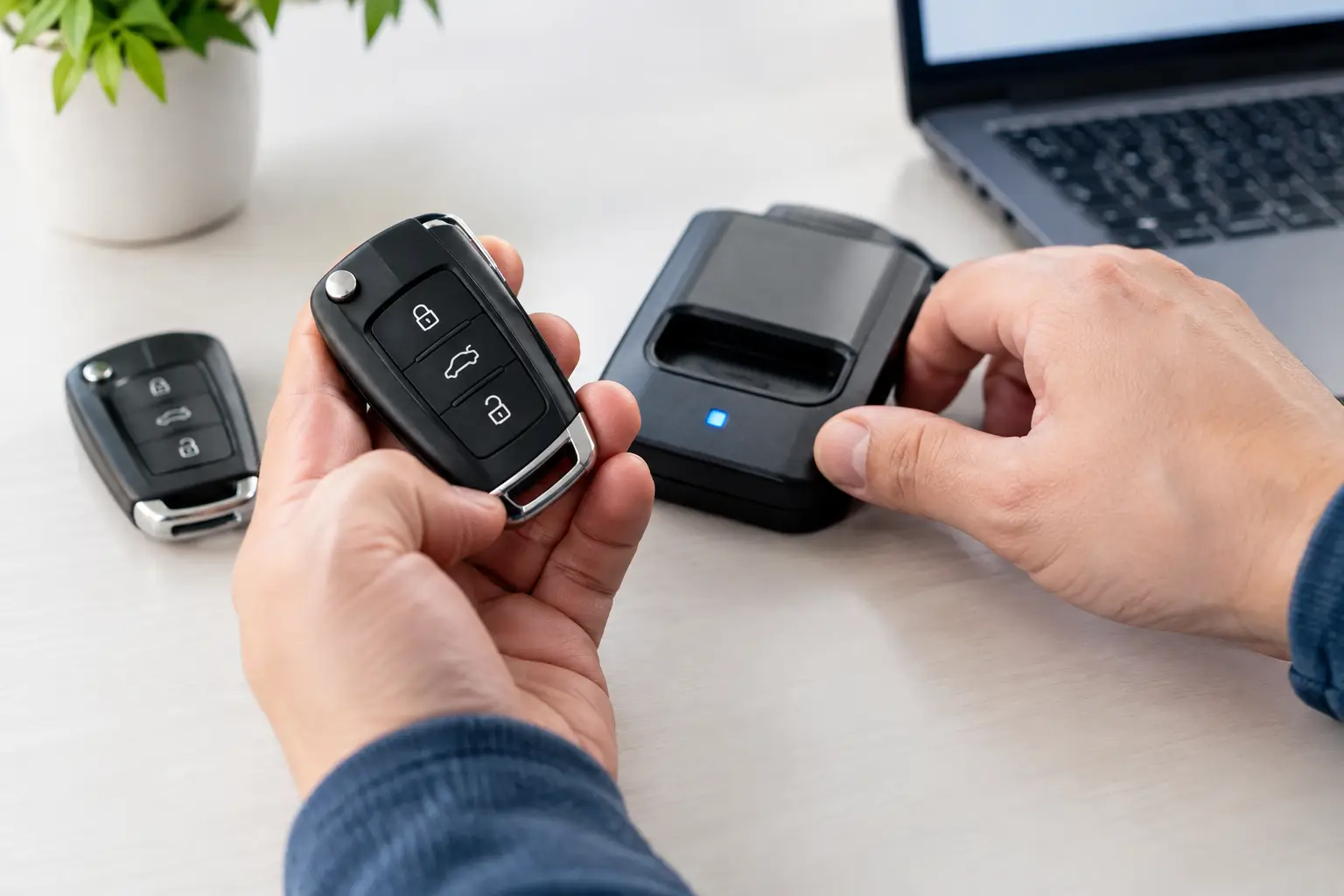
If you have a spare key, try it once. A spare that turns easily is a strong sign that your everyday key is worn down. Keys gradually lose their original shape from years of use. Small changes in the cuts can keep the key from lifting the ignition pins to the correct position.
Check the key itself for obvious damage. A bent blade, cracks near the plastic head, heavy wear, or a key that has been glued back together should not be forced into the ignition. Remove bulky keychains, too. A heavy ring of keys and accessories can put ongoing downward pressure on the ignition cylinder, especially while driving over rough roads.
Cold, moisture, dirt, and corrosion can also affect an older lock cylinder. Avoid spraying household oils, penetrating fluids, or thick lubricants into the ignition. They can collect dirt and make the cylinder worse over time. If lubrication is appropriate, an automotive locksmith can use a product meant for lock components while checking whether the cylinder is already worn beyond a simple service.
What Not to Do When an Ignition Key Sticks
The fastest way to turn an ignition issue into a larger repair is to force the key. Do not twist it with pliers, strike it, bend it, or push it deeper into the cylinder. A key can snap off inside the ignition, leaving metal fragments that must be extracted before the vehicle can be repaired.
Do not attempt to bypass the ignition by tampering with steering-column panels or wiring. Modern vehicles may have anti-theft components, transponder chips, airbags, and electrical connections around the steering column. Improvised repairs can create damage that is more expensive than the original problem.
It is also a mistake to keep driving for weeks when the key has begun to bind. A sticking ignition may work ten times and fail on the next stop. For commuters, travelers, delivery drivers, and fleet operators, that is a preventable downtime event.
Common Reasons an Ignition Key Gets Stuck
Ignition systems are mechanical even when the vehicle has electronic security features. Common causes include:
- A worn, bent, damaged, or poorly copied key
- Worn pins or tumblers inside the ignition cylinder
- A steering-wheel lock under pressure
- A transmission that is not fully registering in Park
- Debris, corrosion, or internal damage in the ignition cylinder
- A failing ignition housing, interlock, or related electrical component
The cause matters because the repair may range from cutting a properly matched key to servicing or replacing the ignition cylinder. If the vehicle uses a transponder key, remote-head key, or key fob with an emergency blade, replacement also needs to account for the vehicle's security system. A metal key that physically turns is not always enough to start the vehicle.
When a Mobile Automotive Locksmith Is the Right Call
Call for professional help when the key will not turn after gentle steering-wheel and Park-position checks, when it will not come out, or when it feels close to breaking. You should also call if the key has broken in the ignition, the vehicle starts inconsistently, or a spare key does not solve the problem.
A mobile automotive locksmith can assess the key and ignition at your location. Depending on the vehicle and the failure, the technician may be able to cut or program a replacement key, extract a broken key, service the lock, or determine that the ignition cylinder needs replacement. This is particularly useful when the vehicle cannot be started and towing it solely for an access issue would add unnecessary delay.
Hopper Roadside provides roadside assistance and automotive locksmith support for drivers dealing with vehicle-access problems in the Hammond area. For a key that is stuck while you are away from home, mobile service can keep the next step focused on getting the vehicle secure and moving again.
A Note for Commercial Drivers and Fleet Vehicles
Commercial truck and fleet downtime has a different cost than a delayed personal errand. Still, the same basic rule applies: do not force a sticking key. A damaged ignition or broken key can hold up a driver, equipment, a pickup, or a delivery schedule.
Some commercial vehicles use standard mechanical keys, while others have electronic access systems and more complex ignition arrangements. The best response depends on the truck, its location, and whether there are additional mechanical issues. A service provider that can evaluate both roadside access needs and commercial vehicle problems can help limit the number of calls a dispatcher or owner-operator has to make.
Prevent the Next Sticking Ignition Problem
Once the immediate issue is resolved, keep a working spare key in a safe place rather than waiting until the original is badly worn. Replace a bending, cracked, or unreliable key early. Use a lighter keychain, and have the ignition inspected if turning the key is becoming less consistent.
A key should slide in, turn, and release without a fight. When it starts demanding extra force, treat that as the time to get help, not the time to test how much pressure it can take.