
Car Key Replacement When You’re Stranded
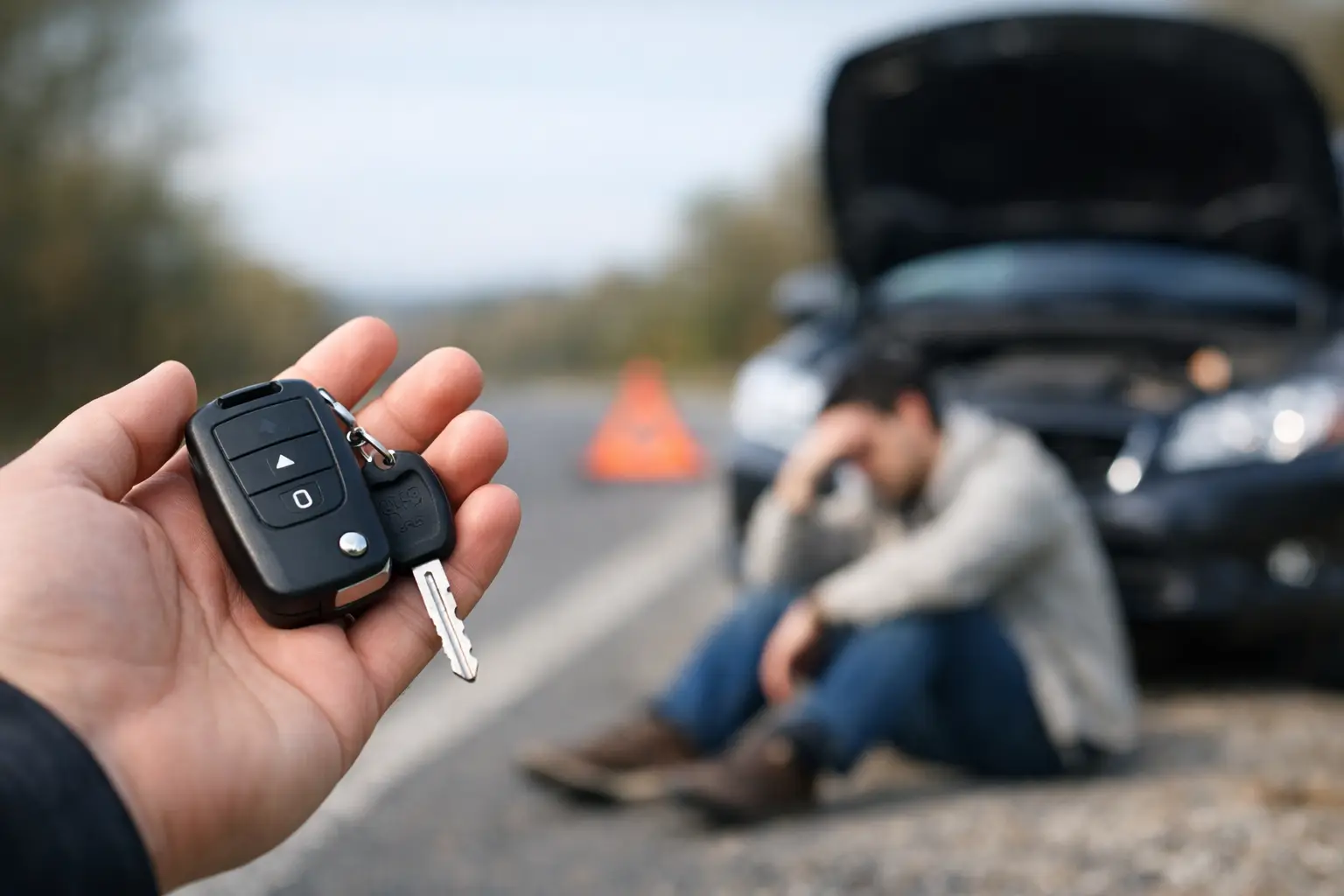
A missing key can stop your day in a parking lot, at home, on a job site, or on the side of the road. Car key replacement is not always as simple as cutting a new piece of metal, especially when your vehicle uses a transponder chip, remote fob, push-button start, or smart key. The right next step depends on the key type, the condition of the vehicle, and whether security is a concern.
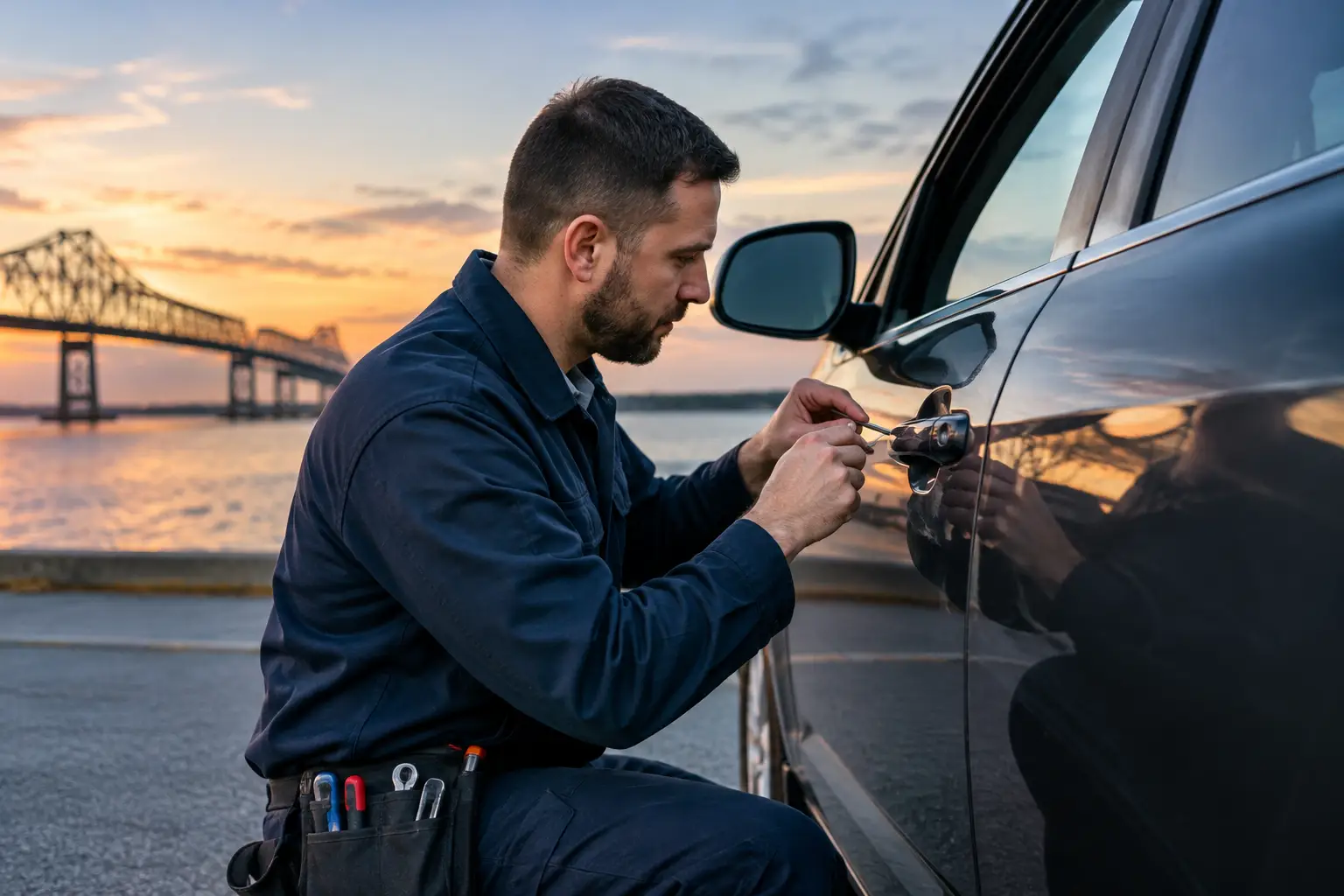
For drivers in Hammond and across Louisiana, mobile automotive locksmith service can often bring the necessary help directly to the vehicle. That matters when you cannot drive to a dealership, have no spare, or need to get back on the road without arranging a tow.
Start by identifying what happened to the key
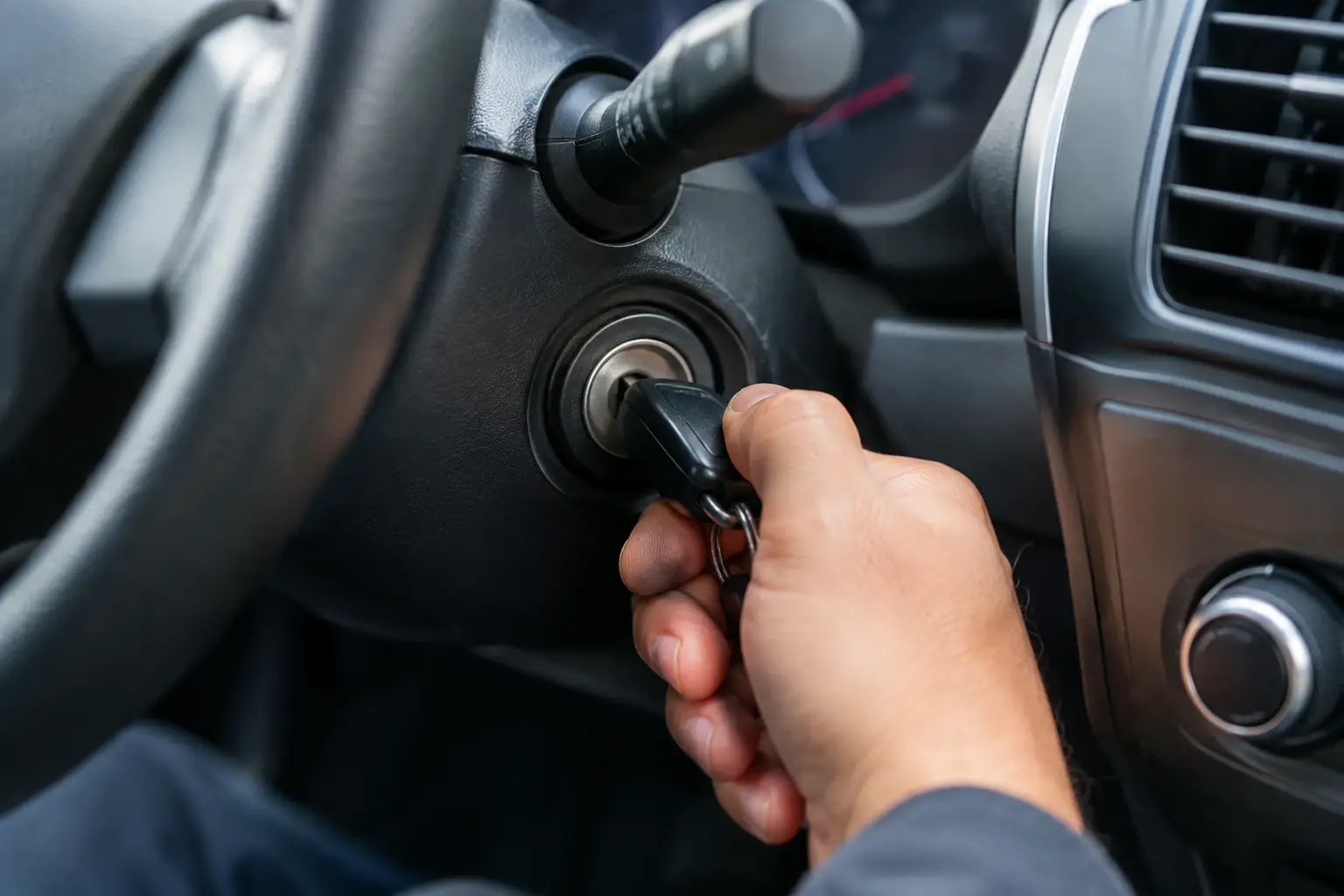
The best response changes depending on whether the key is lost, locked inside, broken, stolen, or simply no longer working. A key locked in the vehicle may call for lockout service rather than a replacement. A key that turns but will not start the vehicle may have a damaged chip, a worn ignition cylinder, a battery issue in the fob, or an unrelated mechanical problem.
If the key is lost and you have a spare, use the spare but do not wait too long to arrange another copy. A single remaining key is a weak position. Lose it, break it, or lock it inside the vehicle, and the situation becomes more expensive and time-sensitive.
A stolen key deserves extra attention. The immediate concern is getting a working replacement, but the larger issue is who may still have access to your vehicle. Depending on the make and model, a locksmith may be able to erase the missing key from the vehicle’s memory and program the replacement so the old key no longer starts it. This is especially worth discussing when the key was taken with documents showing your address or vehicle information.
Why car key replacement varies by vehicle
Older vehicles may use a basic mechanical key. A replacement can often be cut quickly once the proper key code or lock information is available. Many newer vehicles use a transponder key with a chip that communicates with the vehicle’s immobilizer system. Even if the blade is cut correctly, the engine may not start until the chip is programmed.
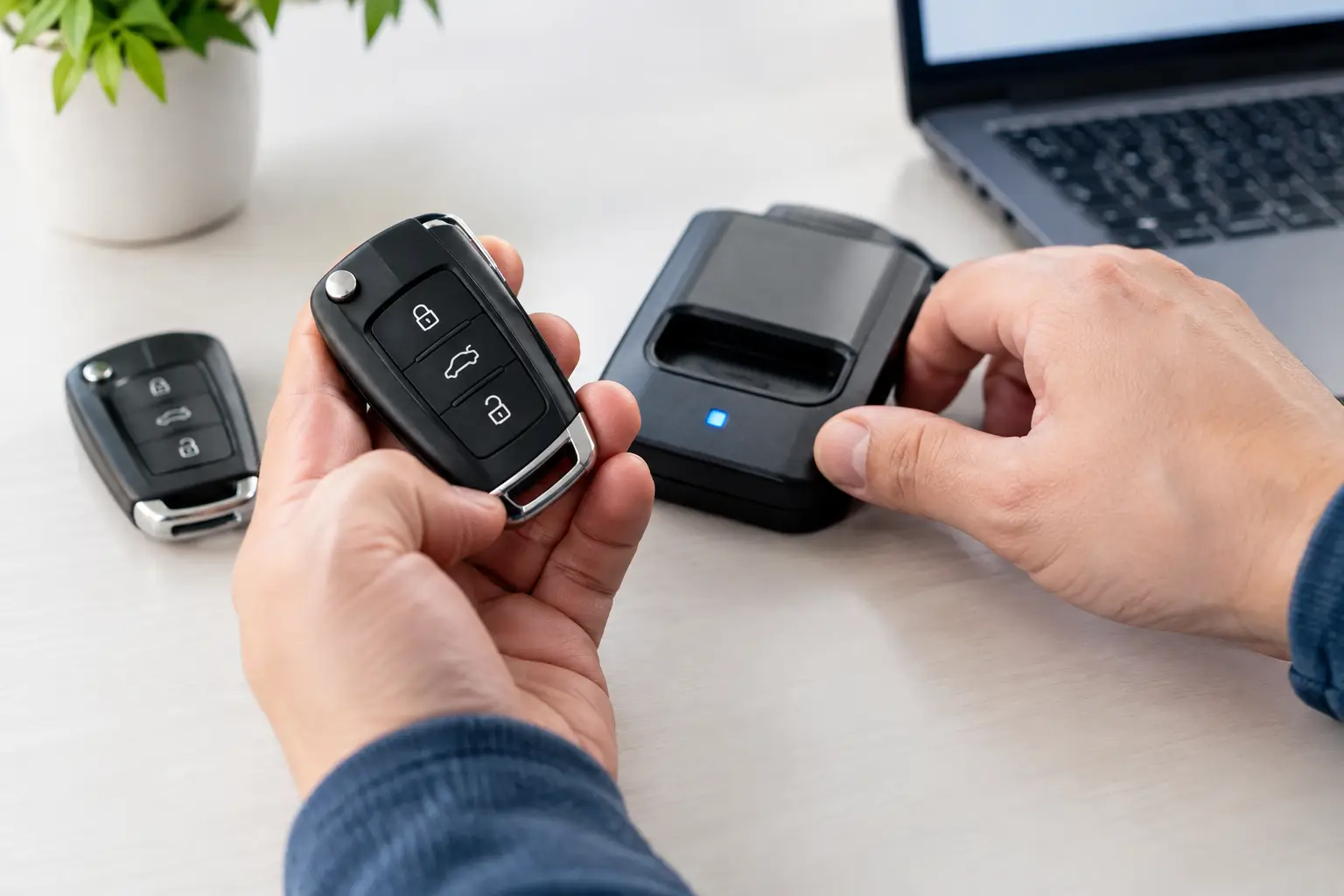
Remote-head keys combine a metal blade with lock, unlock, panic, and sometimes trunk functions. Key fobs and smart keys may not have a visible blade at all, though many include an emergency key hidden inside the fob. Push-button-start vehicles usually require programming that matches the vehicle’s security system.
That is why a replacement key for one vehicle can be straightforward while another requires diagnostic equipment, programming access, or a specific compatible key. The vehicle’s year, make, model, and trim all matter. So does the number of working keys still available. In many cases, programming an additional key while one working key exists is easier than starting from zero.
What to have ready before requesting service
A mobile locksmith can move faster when you can provide clear vehicle details from the start. Have your year, make, model, and location ready. If possible, share whether the key is completely lost, broken, stolen, or locked inside.
You should also be prepared to show proof that you own or are authorized to access the vehicle. This may include a photo ID, registration, insurance card, or title documentation. A legitimate automotive locksmith needs to verify authorization before making or programming a key. That protects vehicle owners and helps prevent unauthorized access.
If you have a spare key, bring it to the vehicle or let the technician know it is available. A damaged fob, broken key pieces, or the original remote can also be useful. Do not throw broken pieces away. Even a damaged key may provide information that helps identify the correct replacement.
Avoid making the problem worse
When a key breaks in a door lock or ignition, avoid forcing the remaining piece deeper with pliers, screwdrivers, or another key. Damage to the lock cylinder or ignition can turn a key issue into a larger repair. Keep the broken piece if you can remove it without force, then request professional help.
If a remote suddenly stops working, try the simple checks first. A weak fob battery can prevent remote lock and unlock functions, though it may not always prevent the vehicle from starting. Some push-button-start vehicles have a backup method for starting when the fob battery is low, often by holding the fob near a designated area. Your owner’s manual can confirm the procedure for your specific vehicle.
Do not rely on an online key purchase alone. An inexpensive key or fob may be incompatible, poorly made, or require programming tools you do not have. Buying a key can make sense in some situations, but confirm the exact part and programming requirements before spending money. A qualified locksmith can help determine whether an aftermarket, OEM, or existing spare key is appropriate.
When a mobile automotive locksmith is the practical choice
A dealership can be the right option for some vehicles, particularly when proprietary systems, warranty concerns, or factory-only programming requirements apply. However, dealerships may require the vehicle to be present, which can mean arranging a tow if every key is missing. Their service hours can also be a challenge during an unexpected lockout or after-hours emergency.
A mobile automotive locksmith is often more practical when the vehicle is stranded. The technician comes to the location, verifies ownership, assesses the key system, cuts the key if needed, and programs it when the vehicle allows. This can eliminate the extra step of transporting a vehicle just to address a lost or damaged key.
The exact service available will depend on the vehicle and the circumstances. Some advanced keys require special equipment or may need to be ordered. Being direct about your vehicle details helps set realistic expectations before a technician is dispatched.
Hopper Roadside provides roadside and automotive locksmith support for drivers dealing with key access problems in the Hammond area. When the problem is more than a key - such as a dead battery, flat tire, or a vehicle that will not start after access is restored - having one local response partner can save time.
Do not overlook commercial vehicles and work trucks
For an owner-operator or fleet manager, a lost key is not just an inconvenience. It can delay a delivery, leave equipment exposed, affect a driver’s schedule, and create costly downtime. Commercial trucks and work vehicles may use different key systems than passenger cars, and a problem can involve a door lock, ignition key, electronic fob, or damaged cylinder.
The priority is to secure the vehicle and get accurate information to the service provider. Give the truck’s make, model, year, location, and any details about the key or ignition issue. If a driver is stranded in an unsafe location, move them to a safe area when possible and follow company safety procedures while help is arranged.
Commercial situations may also require separate mechanical repair after a key issue is resolved. If the vehicle has access but will not crank, overheats, has a brake concern, or has another operating problem, the key may not be the cause. Clear diagnosis prevents wasted time and unnecessary replacement work.
Plan for the next key emergency now
Once you have a working replacement, consider making a second key before you need it. Store it somewhere secure away from the vehicle, such as at home or with a trusted family member. Do not hide it under the vehicle or in an obvious magnetic box, where it can become an easy target for theft.
For smart-key vehicles, replace the fob battery on a sensible schedule and pay attention when range becomes inconsistent. Keep your vehicle identification and ownership documents accessible, but avoid leaving sensitive paperwork in an unlocked vehicle. These small steps make a future service call faster and reduce the chance that a simple key problem turns into a full roadside emergency.
A lost or broken key does not have to leave you stuck for long. Provide accurate vehicle information, protect your proof of ownership, and get the right help for the key system your vehicle uses. That gives you the best chance of restoring access safely and getting moving again.