
Commercial Truck Repair When Downtime Hits
A truck stopped on the shoulder is not just a mechanical problem. It can mean a missed delivery window, a driver exposed to traffic, freight sitting in the wrong place, and a dispatch team trying to rebuild the day. Commercial truck repair is about getting clear on the failure, protecting the driver, and making the right repair decision before downtime spreads.
For owner-operators and fleet managers, the immediate question is usually simple: can the truck be repaired where it sits, or does it need to be moved? The answer depends on the condition of the truck, the location, the parts required, and whether the issue affects safe operation. Fast action matters, but so does avoiding a rushed decision that creates a second breakdown a few miles later.
Start With Safety and a Clear Problem Report
Before any repair begins, get the truck and driver as safe as conditions allow. Move out of travel lanes when possible, activate hazard lights, set warning devices according to applicable safety requirements, and keep the driver away from moving traffic. A breakdown on a quiet lot and a breakdown near a busy Louisiana highway call for different precautions.
The quality of the first call also affects how quickly help can be dispatched. Give the service provider the truck's exact location, including mile marker, exit, cross street, business name, or nearby landmark. Share the unit number, make and model if available, whether it is a tractor, straight truck, box truck, or another commercial vehicle, and describe what happened just before it stopped.
Details such as a no-start condition, air-pressure warning, overheating, damaged tire, electrical failure, fuel issue, or brake concern help narrow the likely cause. If warning lights are on, report them. If the truck is loaded, note the type of load and any handling restrictions. That information helps determine whether mobile commercial truck repair may be practical or whether the equipment needs a different recovery plan.
What Mobile Commercial Truck Repair Can Address
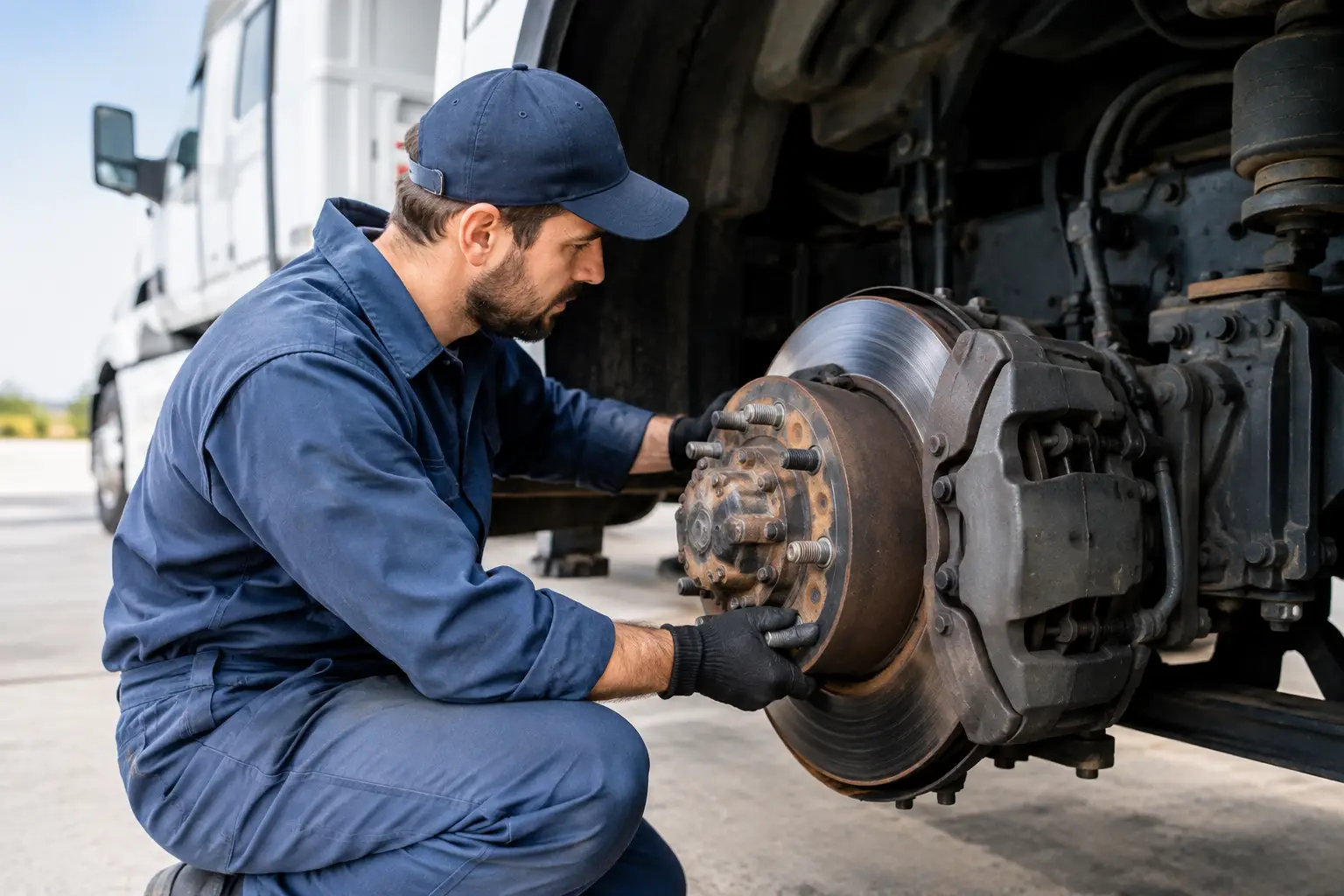
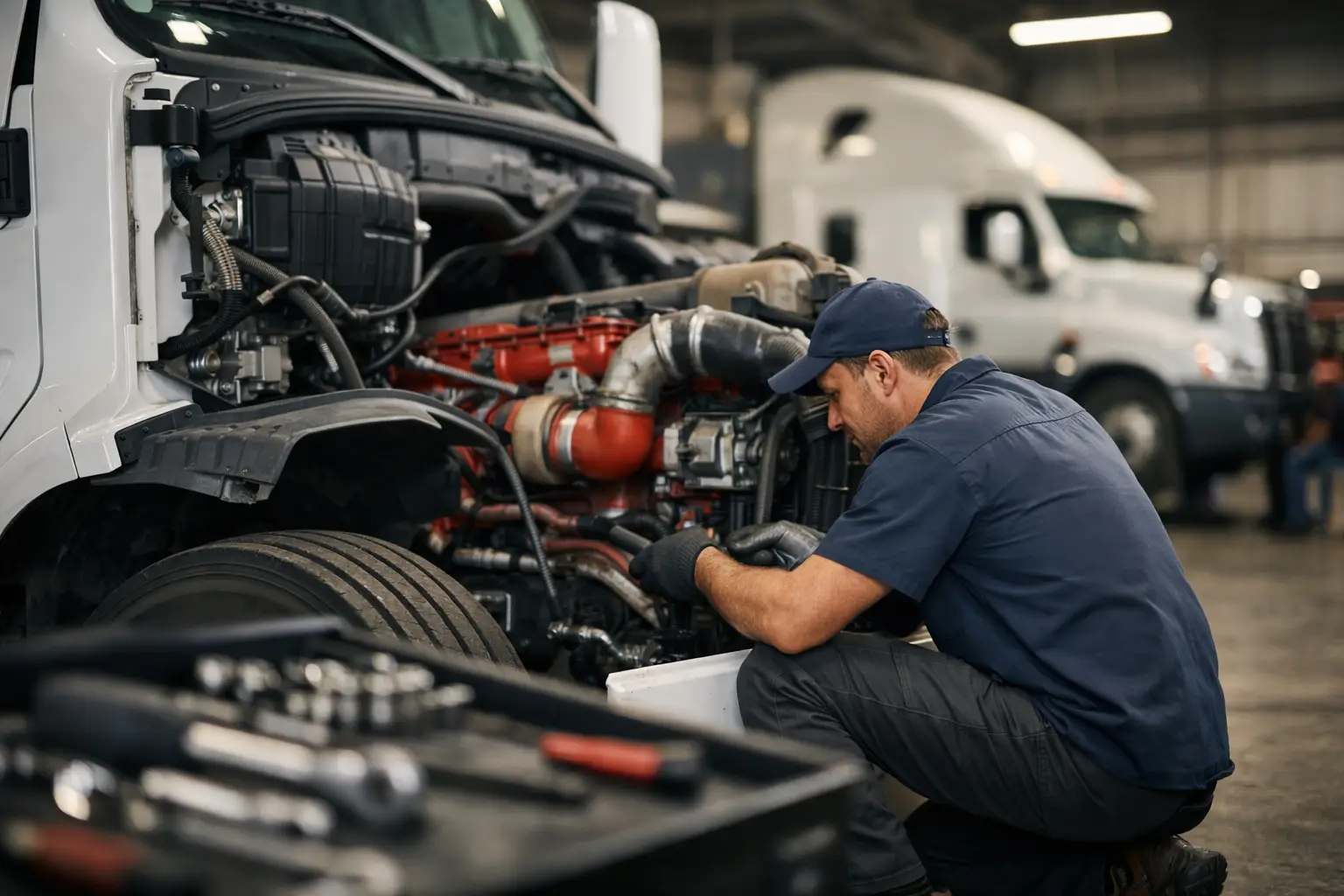
Many roadside truck problems do not require a full shop visit. A capable mobile response can inspect the condition, identify obvious faults, and handle repairs that can be completed safely at the location. This may include common electrical connections, battery-related no-start problems, accessible components, air system concerns, minor mechanical issues, or other failures that can be corrected with appropriate tools and parts.
Mobile service is especially useful when the truck is otherwise sound but cannot continue because of one identifiable issue. A loose connection, failed battery, damaged hose, or starting problem may be resolved without the delay of coordinating a tow and waiting for shop intake. For a local operation, that can protect a route and reduce the cost of having a truck out of service.
Still, roadside repair is not always the right answer. A truck with major engine damage, serious cooling-system failure, unsafe steering or braking conditions, extensive collision damage, or a problem that requires specialized diagnostic equipment may need shop-level service. Trying to force a roadside fix in those situations can risk driver safety and cause more damage.
The practical goal is not to promise every repair at the roadside. It is to make a quick, informed assessment and avoid wasting hours on the wrong next step.
The Repair Decision Comes Down to Three Things
First is safety. If the truck cannot be made safe to operate, it should not be sent back onto the road simply because a delivery is waiting. Second is repair scope. Some problems can be confirmed and repaired on site, while others require parts, lifting equipment, a controlled shop environment, or more extensive testing. Third is operating impact. A fleet may choose a temporary repair to move a truck to a safer location or a repair facility, but that decision should be based on the actual condition of the vehicle.
Good communication keeps everyone aligned. Drivers need to know what is happening and whether they should remain with the truck. Dispatch needs realistic timing. Fleet managers need enough information to make decisions about a replacement unit, a load transfer, or customer updates.
Breakdowns That Should Never Be Treated as Minor
Commercial drivers deal with small issues every day, but some warning signs demand an immediate stop and professional assessment. Continuing to operate can turn a manageable repair into major equipment damage, a crash risk, or an out-of-service situation.
Stop and request help if you notice:
- Loss of braking performance, low air pressure, or brake warnings that do not clear
- Rising engine temperature, steam, coolant loss, or an overheating warning
- Strong fuel, electrical, or burning odors
- Steering changes, severe vibration, or unusual pulling
- Smoke, visible fluid leaks, or repeated electrical shutdowns
These symptoms do not all mean the same thing, and diagnosis matters. A minor-looking leak may become a major problem under pressure. An intermittent electrical issue can leave a truck unable to restart after a stop. The safest move is to report what the driver sees, hears, and smells without guessing at the cause.
Reduce Downtime Before the Next Call
Not every roadside event can be prevented. Road debris, failed components, weather, and unexpected electrical problems happen. But fleets and owner-operators can make commercial truck repair faster by keeping basic information organized before a breakdown occurs.
Keep maintenance history, unit numbers, VIN information, tire specifications, and fleet contact details available to drivers or dispatch. When a technician can quickly identify the equipment and recent repair history, there is less back-and-forth during an urgent call. It also helps to know who has authority to approve repairs after hours, especially for businesses with multiple drivers or locations.
Pre-trip and post-trip inspections are still one of the best defenses against roadside downtime. Drivers should not ignore slow air leaks, weak starts, recurring warning lights, damaged cables, uneven tire wear, or fluid levels that keep dropping. These are often early signals, not inconveniences to revisit later.
A planned maintenance schedule also has a direct effect on emergency repair costs. Replacing wear items on schedule is usually less disruptive than repairing a failure beside the road. The trade-off is that preventive service takes time when the truck appears to be running fine. But planned time is easier to manage than a disabled truck during a loaded route.
What Drivers Should Do While Waiting for Help
Once assistance is on the way, drivers can support a safer and more efficient repair without attempting work beyond their training. Park as safely as possible, use warning devices, secure the load and cab, and keep documents or unit information ready. If conditions change - such as a law enforcement request to move, worsening traffic, smoke, or a new leak - report that immediately.
Avoid repeatedly cranking a truck that will not start. Do not open pressurized systems or crawl beneath the vehicle on an unsafe roadside. A driver may identify a loose cable or visible damage, but roadside conditions can make even routine work dangerous. The priority is staying safe and giving the responding technician accurate information.
For fleet managers, the best support is often operational rather than mechanical. Check on the driver's safety, confirm the load status, notify the receiving customer if necessary, and decide early whether a backup truck or load transfer may be needed. That prevents the repair call from becoming the only response to a broader logistics problem.
A Local Response Makes a Real Difference
When a commercial vehicle is disabled near Hammond or elsewhere in the area, waiting for a provider who has to coordinate separate roadside, lockout, and truck-repair resources can add unnecessary delay. A local team that understands urgent vehicle problems can help assess the situation and direct the right response.
Hopper Roadside provides roadside assistance, automotive locksmith support, and commercial truck repair for drivers and operators facing immediate mobility issues. That combination is useful when a situation is not neatly limited to one category - for example, when a truck problem is complicated by access, keys, or another roadside need.
The next breakdown will not arrive at a convenient time. Keep your truck information available, treat safety warnings seriously, and get qualified help early. The right first call can protect the driver, the equipment, and the schedule waiting behind the load.