
Roadside Assistance Versus Tow Truck: Which One?
A dead battery at a Hammond parking lot and a transmission failure on a Louisiana highway may both leave you stranded, but they do not call for the same response. The roadside assistance versus tow truck decision comes down to one question: can the vehicle be safely made mobile where it sits, or does it need to be moved to a repair location?
Calling the right service can save time, avoid an unnecessary tow, and get you back on the road sooner. It also matters for commercial operators. A truck that needs a quick roadside repair is a very different situation from a truck that cannot safely continue its route.
What Roadside Assistance Is Designed to Handle
Roadside assistance is for common vehicle problems that can often be resolved at your location. The goal is not to transport the vehicle. It is to correct the immediate issue so you can drive away safely or, at minimum, determine whether a tow is required.
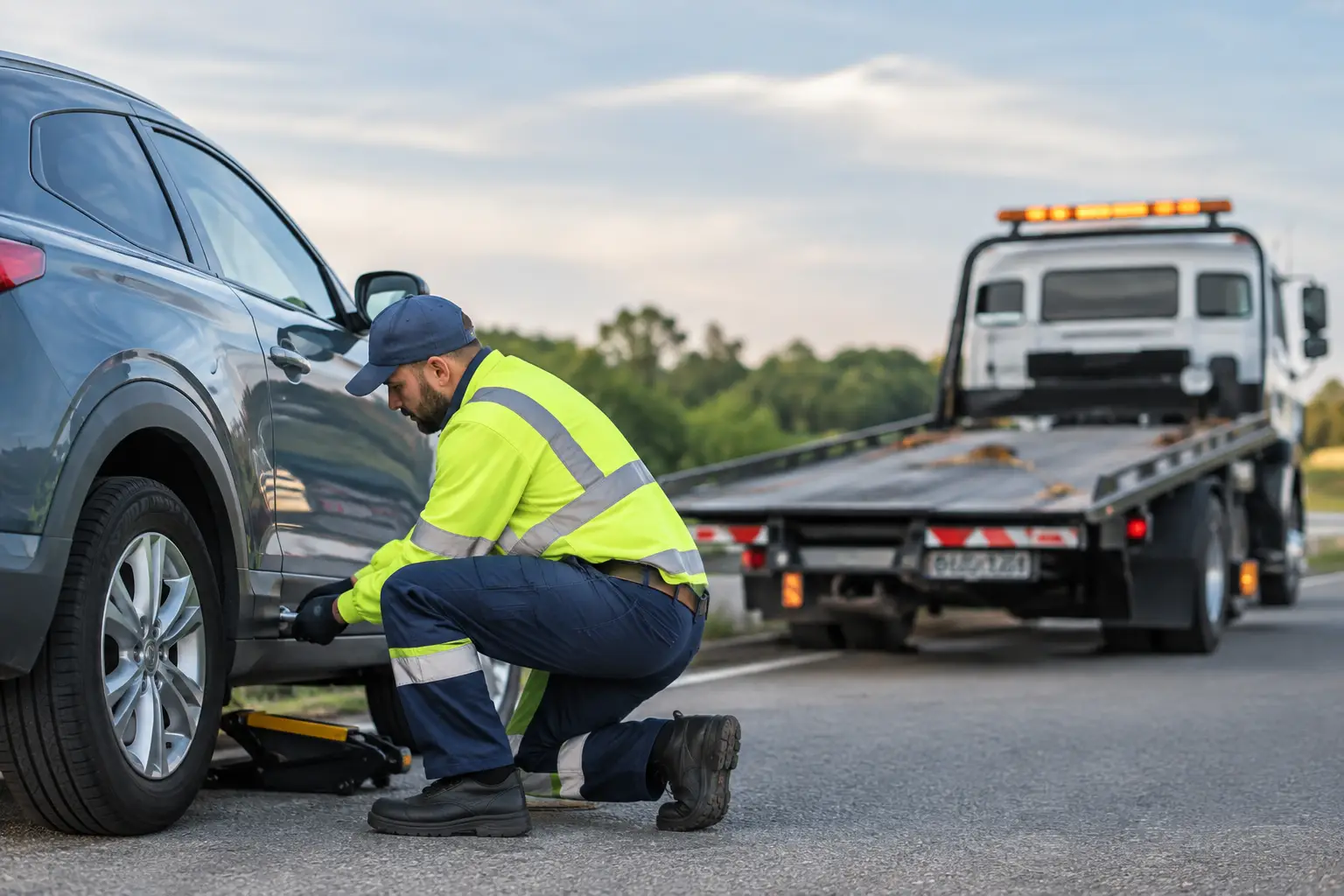
Typical roadside calls include a jump-start for a weak or dead battery, a flat-tire change when you have a usable spare, fuel delivery when the tank runs dry, and basic help with a vehicle that will not start. Roadside service can also include lockout assistance when keys are inside the vehicle, keys are lost, or the vehicle will not unlock properly.
This is usually the best first call when the problem is straightforward and the vehicle itself appears mechanically sound. For example, if your headlights were left on and the battery is dead, a jump-start may have you moving again in minutes. If you picked up a nail but have an inflated spare tire and safe wheel components, a tire change may be all you need.
Roadside assistance is also valuable because it gives you an on-site assessment. A technician can spot warning signs that make driving unsafe, such as a badly damaged tire, leaking fluid, a severely corroded battery connection, or a repeated no-start condition. In those cases, the call may shift from a simple roadside fix to a towing decision.
When a Tow Truck Is the Better Call
A tow truck is necessary when your vehicle cannot be driven safely or when driving it could cause additional damage. Towing moves the vehicle from the breakdown location to a repair shop, dealership, secure lot, or another appropriate destination.
You likely need a tow if the engine overheats and will not stay at a safe temperature, the vehicle has been in a collision, a wheel or suspension component is damaged, or the transmission has failed. A tow is also the right answer for a vehicle that starts but will not move, has major fluid leaks, suffers from steering or brake trouble, or displays severe engine symptoms such as knocking, smoke, or loss of power.
Do not try to drive through a serious warning light just because the vehicle still moves. The ability to roll forward does not mean it is safe for the road. Continuing to drive with overheating, low oil pressure, brake issues, or collision damage can turn a repairable problem into a much larger repair and put other drivers at risk.
A tow may also be the practical option when a roadside repair would take too long, require parts that are not available on scene, or need shop equipment. Roadside assistance is meant to handle immediate mobility problems. It is not a replacement for diagnostics, major mechanical work, or collision repair.
Roadside Assistance Versus Tow Truck: A Quick Way to Decide
Start by looking at the vehicle's condition, not just the inconvenience of being stuck. If the problem is isolated and easy to identify, roadside assistance is often appropriate. If the vehicle has a safety issue, substantial mechanical failure, or accident damage, request towing.
A dead battery, locked vehicle, flat tire with a good spare, or empty fuel tank generally points to roadside service. These are problems where the vehicle may be fully usable once the immediate issue is resolved.
A smoking engine, broken axle, damaged wheel, failed brakes, severe overheating, or crash damage points to a tow. If you are unsure, explain exactly what happened when you call. Mention dashboard warnings, visible damage, noises, leaks, and whether the vehicle can be shifted or moved. Clear details help the dispatcher send the proper response.
The location matters, too. A flat tire in a well-lit parking lot is different from a disabled vehicle on the shoulder of a busy roadway. If you are in an unsafe position, prioritize getting yourself out of traffic and communicating your exact location. Turn on hazard lights when possible, remain alert to surrounding traffic, and do not stand near the traffic side of the vehicle.
Lockouts Are Roadside Problems, Not Towing Problems
Vehicle lockouts are a common source of confusion. If the keys are inside, lost, broken, or the key fob is not working, towing usually does not solve the immediate issue. You need automotive locksmith assistance that can help restore access to the vehicle.
A qualified mobile provider may be able to unlock the vehicle, assist with key access, or address certain ignition and key-related problems where you are stranded. This matters when you are away from home, late for work, traveling through the area, or responsible for a work vehicle that needs to get moving.
Avoid forcing a door, prying a window, or using improvised tools. Those attempts can damage weather stripping, door frames, locks, window glass, and electronic components. A lockout may feel urgent, but avoid creating an expensive repair while trying to save a few minutes.
Commercial Trucks Need a Different Decision Process
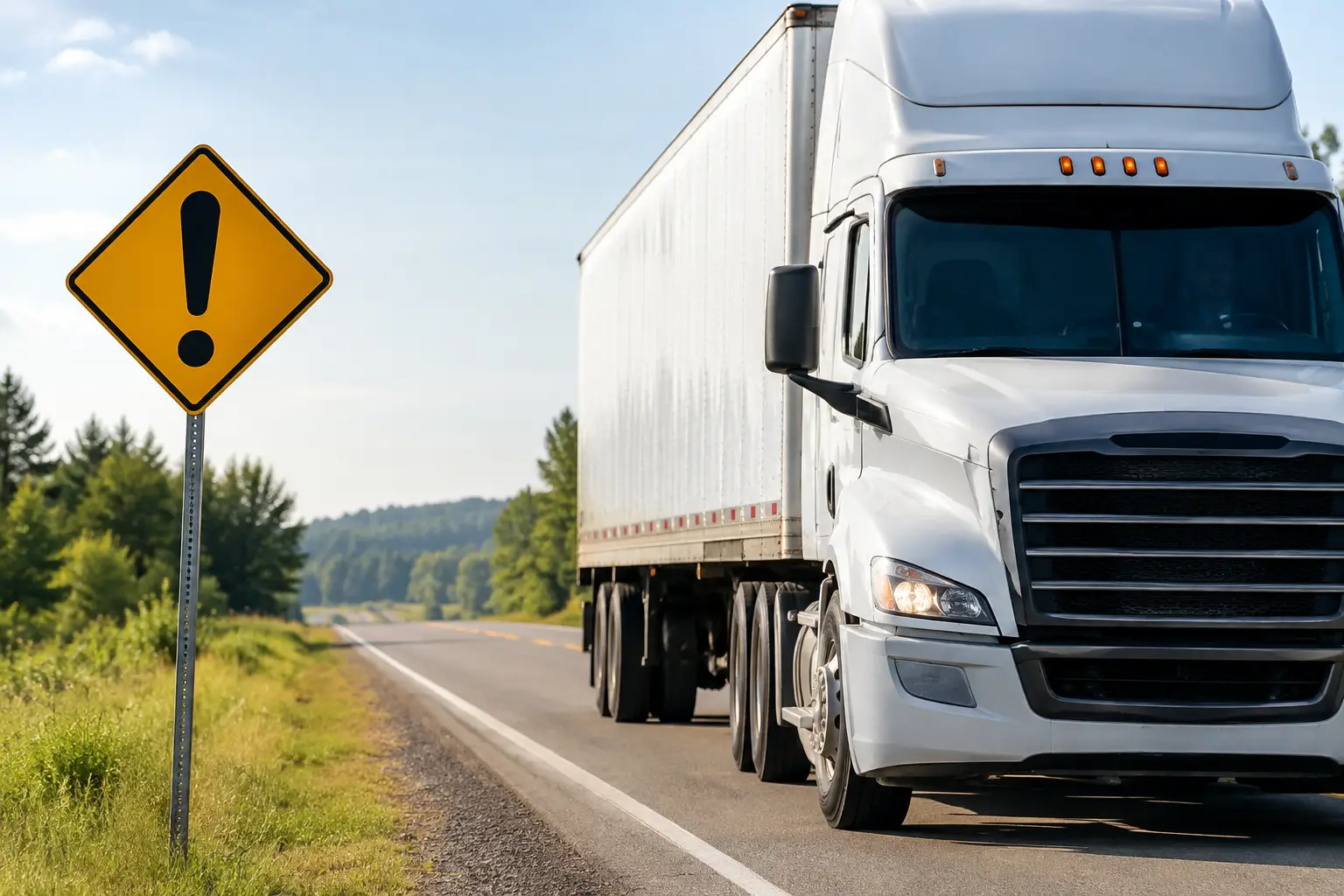
For commercial drivers, roadside assistance versus tow truck service often involves more than getting one vehicle running. A breakdown can affect a delivery window, driver hours, customer commitments, cargo security, and fleet availability.
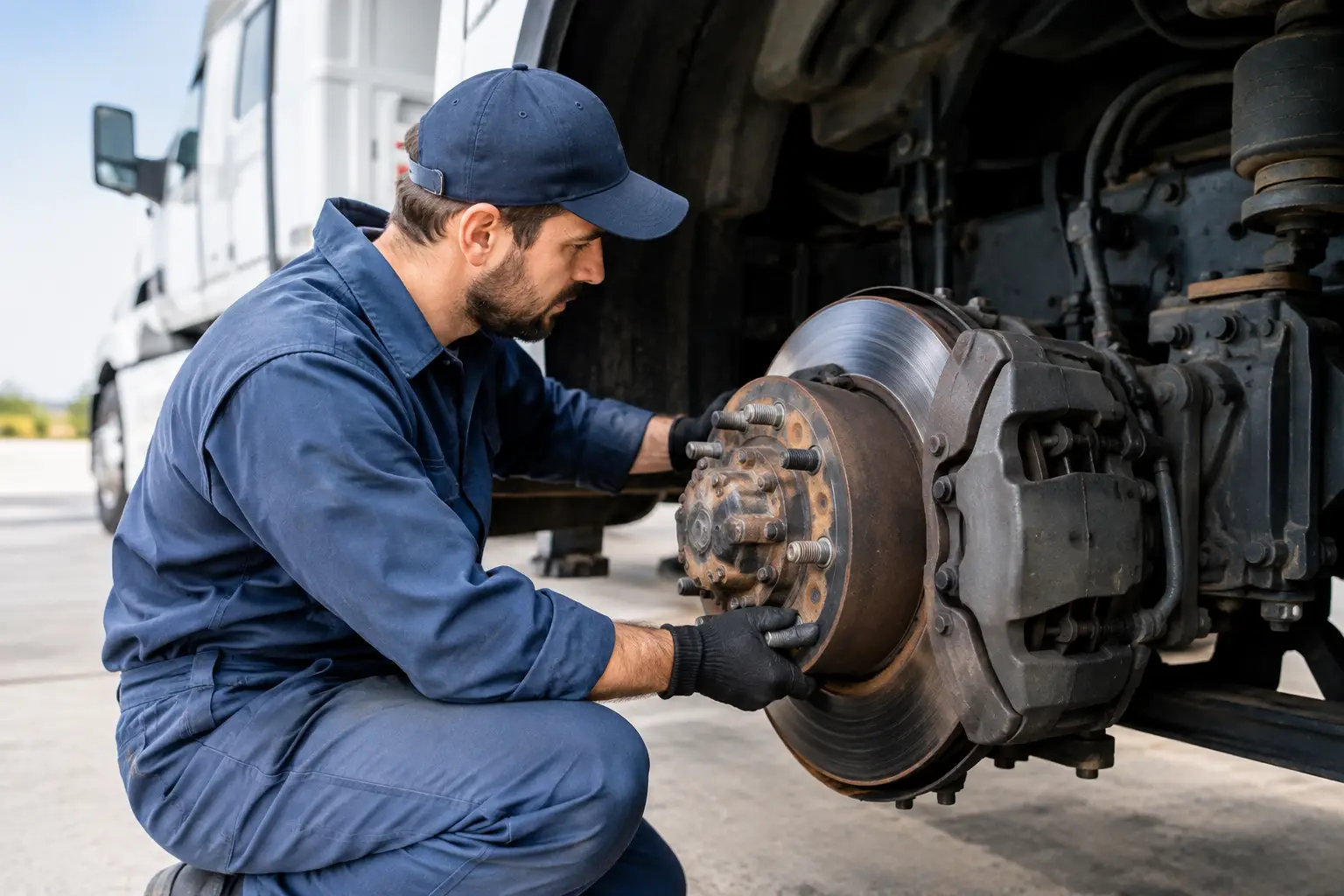
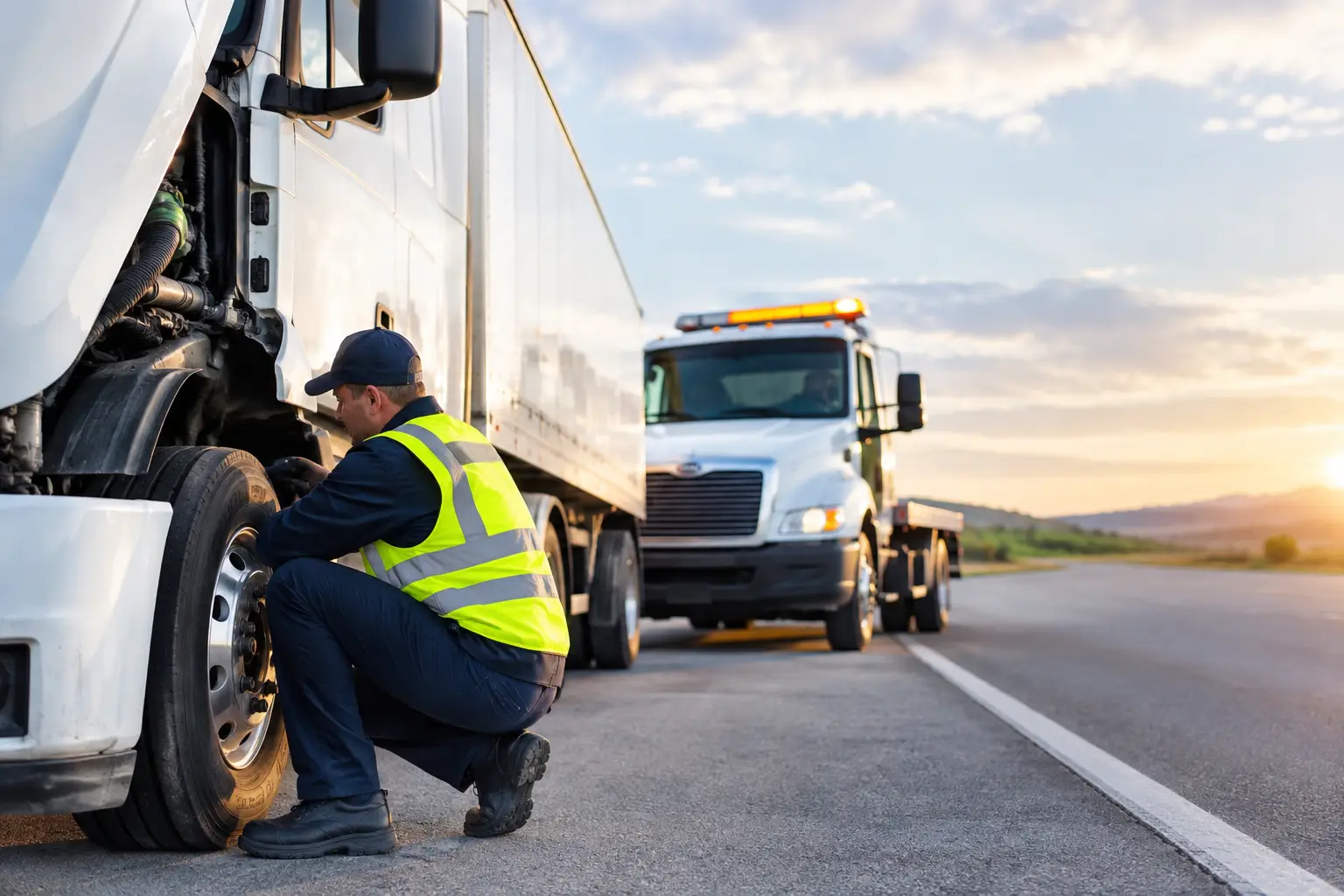
Some truck problems can be addressed with mobile commercial truck repair. Minor mechanical issues, certain electrical problems, air-system concerns, battery failures, and other serviceable faults may be resolved at the truck's location. When that is possible, it can reduce downtime and avoid the logistics of moving a larger vehicle.
Other situations require towing or recovery. A truck involved in a collision, one with major driveline damage, steering or brake failure, serious engine trouble, or a condition that makes it unsafe to operate should not be pushed down the road. The correct equipment and destination are especially important for commercial vehicles because truck towing is not the same as towing a passenger car.
Owner-operators and fleet managers should give dispatch the truck type, location, symptoms, load status, and any access limitations at the breakdown site. A truck on a narrow shoulder, at a loading facility, or near an interstate may need a different response than one parked at a truck stop. Accurate information helps avoid delays and ensures the responding provider arrives prepared.
What to Have Ready When You Call
The fastest calls start with useful information. Be prepared to provide your exact location, including highway direction, mile marker, nearby cross street, business name, or visible landmark. Tell the dispatcher the vehicle's make, model, color, and the specific issue you are experiencing.
If you think you need a tow, say whether the vehicle can roll, steer, and shift into neutral. If it is in a garage, parking deck, muddy area, ditch, or other restricted space, mention that immediately. For a lockout, confirm whether the keys are visible inside, lost, broken, or unavailable.
For commercial vehicles, add the truck configuration, trailer information, cargo considerations, and any warning lights or mechanical symptoms. The better the details, the better the response plan.
Choose the Service That Protects Your Vehicle
The right choice is not always about finding the quickest-looking solution. A jump-start may solve a one-time battery drain, but repeated battery trouble could point to a failing battery, alternator, cable, or electrical draw. A tire change gets you moving, but a damaged sidewall or bent wheel still needs professional attention before highway driving.
Likewise, towing is not a sign that the situation is hopeless. It is often the safest way to protect the vehicle from further damage and get it to the place where proper repairs can be completed. Hopper Roadside provides roadside assistance, automotive locksmith support, and commercial truck repair for drivers who need a practical response in the Hammond area.
When your vehicle stops cooperating, do not guess based on frustration. Look at the symptoms, your safety, and whether the vehicle can truly be driven without risk. That decision will point you toward the help that gets you moving safely, not just moving temporarily.