
When Should Trucks Stop? Safety Signs to Act On

A truck can cover a lot of ground after a warning light comes on, a tire starts losing air, or a driver begins fighting fatigue. That is exactly why the question, when should trucks stop, matters. A planned stop costs time. Continuing with a safety-critical problem can cost far more in equipment damage, missed freight, injury risk, and roadside exposure.
For commercial drivers and fleet operators, the right answer is not always “stop immediately where you are.” The goal is to recognize the problem early, reduce risk, and get to the safest available location without turning a repair issue into an emergency.
When Should Trucks Stop Immediately?
Some conditions are not safe to monitor until the next exit, customer location, or fuel stop. If the truck is hard to control, the brakes are not responding normally, or there is evidence of fire, the driver needs to get out of traffic as safely and quickly as possible.
Pull over and secure the truck immediately when any of these conditions occur:
- Brake pressure drops, the brake pedal feels abnormal, or braking performance changes.
- Steering becomes loose, pulls sharply, binds, or creates a sudden vibration.
- A tire blows out, is visibly shredded, or loses air rapidly.
- Smoke, flames, a strong burning smell, or an active fluid leak is present.
- The engine temperature climbs into an unsafe range or an oil-pressure warning appears.
- Cargo shifts, securement fails, or the load creates a handling problem.
Do not try to “make it” to the next stop with a brake issue, overheating condition, or serious tire damage. A fully loaded truck needs more distance and more control than a passenger vehicle. A few additional miles can turn a repairable problem into a disabled truck, a crash, or a damaged load.
If possible, move to a wide shoulder, truck parking area, rest area, exit ramp, or other location away from active traffic. Set warning devices as required, keep clear of moving traffic, and contact qualified truck repair support.
Stop Soon for These Mechanical Warning Signs
Not every warning requires an immediate roadside stop, but many require action before the next long stretch of highway. The driver should evaluate the truck’s handling, gauges, warning indicators, weather, traffic, load weight, and the distance to a safe location.
A check-engine light, for example, may not mean the truck must shut down on the spot. But a flashing warning light, loss of power, abnormal engine noise, or a change in temperature or oil pressure raises the urgency. Continuing to pull heavy weight with a developing engine or emissions problem can lead to a derate, a no-start condition, or more extensive repairs.
Air pressure that is building slowly, repeated low-air warnings, or an air leak also deserves immediate attention. Air systems affect brakes and other functions. If the truck cannot maintain proper pressure, do not treat it as a minor inconvenience.
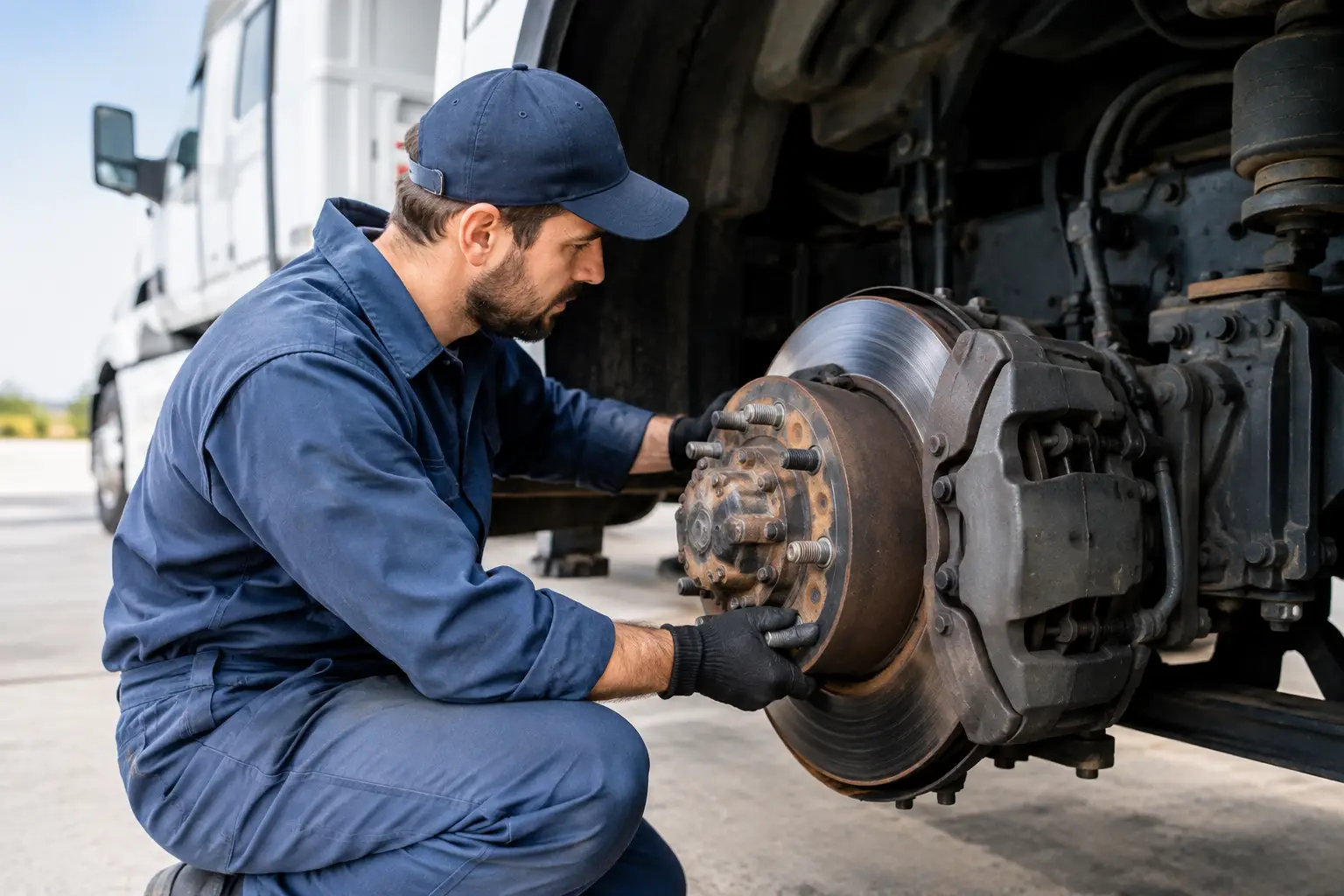
Pay attention to changes the truck communicates through feel as well as dashboard alerts. A new driveline vibration, grinding sound, wheel-end heat, uneven braking, or pulling to one side is a reason to stop at the first safe opportunity. Drivers who know their equipment often notice these changes before a fault becomes obvious.
Tire Problems Rarely Improve on the Road
A tire that is low, bulging, separating, or wearing unevenly needs inspection. Commercial tires operate under high loads and sustained heat. A low tire may look manageable during a walk-around, yet fail quickly at highway speed.
If the truck has a tire pressure monitoring alert, do not assume the sensor is wrong. Check the tire at a safe location. Look for sidewall damage, embedded debris, missing tread, loose wheel components, and signs of heat around the hub. A tire repair or replacement is usually less disruptive than a blown tire that damages a fender, air lines, or nearby vehicles.
Driver Fatigue Is a Reason to Stop
Mechanical condition is only part of the decision. A truck should stop when the driver is too tired to operate safely, even if the delivery appointment is tight.
Fatigue does not always feel like falling asleep. It can show up as missed signs, drifting within the lane, repeated yawning, delayed reactions, forgetting the last few miles, or needing to constantly correct the steering wheel. Opening the window, turning up the radio, and drinking another energy drink do not restore alertness.
Hours-of-service rules set legal limits, but legal driving time is not the same as safe driving time. A driver may be within available hours and still be impaired by poor sleep, illness, medication, stress, or a long day of difficult traffic and weather. When alertness drops, the safest move is to find legal parking and rest before continuing.
Fleet managers can help by treating fatigue reports as operational information, not a failure by the driver. Pressuring a tired driver to continue can create a much larger delay than rescheduling a delivery window.
Weather and Road Conditions Can Force a Stop
A mechanically sound truck may need to stop because the road is no longer safe for its size, weight, or configuration. Heavy rain, standing water, dense fog, high winds, flooding, ice, and reduced visibility can all change the decision.
In Louisiana, hard rain can quickly reduce traction and visibility. Water across the road can hide potholes, washouts, and debris. If the truck is hydroplaning, visibility is too limited to see stopping distance, or wind is moving an empty trailer or high-profile load, slowing down may not be enough. Find a safe place to park until conditions improve.
Stopping is also appropriate when traffic incidents, road closures, or construction backups leave the truck with little room to maneuver. Avoid stopping on a narrow shoulder unless there is no safer option. A truck parked close to live traffic is vulnerable, especially at night or during poor weather.
Stop Before a Small Cargo Issue Becomes a Major One
Cargo checks are not only for the start of a trip. Drivers should stop and inspect the load whenever they hear a change, feel unusual handling, see a strap or chain concern, or suspect freight has moved.
A shifted load changes weight distribution and can affect braking, steering, and rollover risk. This is especially serious with heavy machinery, building materials, liquid loads, and other freight that can move under braking or cornering. Do not wait until the receiver notices a problem.
If securement needs adjustment, choose a level, safe location with enough room to work away from traffic. Follow the load-specific securement requirements and do not climb on equipment or trailers without proper footing and conditions.
Choosing the Safest Place to Pull Over
The best stopping location depends on how urgent the issue is. For a critical failure, move off the travel lane as soon as possible. For a developing problem, it may be safer to reduce speed, activate hazard lights when appropriate, and proceed carefully to a truck stop, rest area, repair facility, or well-lit lot.
Before stopping, consider shoulder width, road grade, visibility, traffic speed, weather, and the chance of getting the truck moving again. Avoid soft ground, deep ditches, blind curves, and narrow shoulders where the trailer remains close to traffic.
Once parked, secure the vehicle, use required warning equipment, document the issue for dispatch or maintenance, and clearly report the truck location, unit number, symptoms, and whether the load is secure. Clear details help a mobile repair provider arrive prepared instead of losing time diagnosing the situation from scratch.
Know When to Call for Commercial Truck Repair
Some drivers can handle basic checks, such as confirming a loose battery connection or identifying a low tire. But roadside repairs involving brakes, air systems, wheel ends, electrical faults, cooling systems, or major engine warnings should be handled by qualified commercial truck technicians.
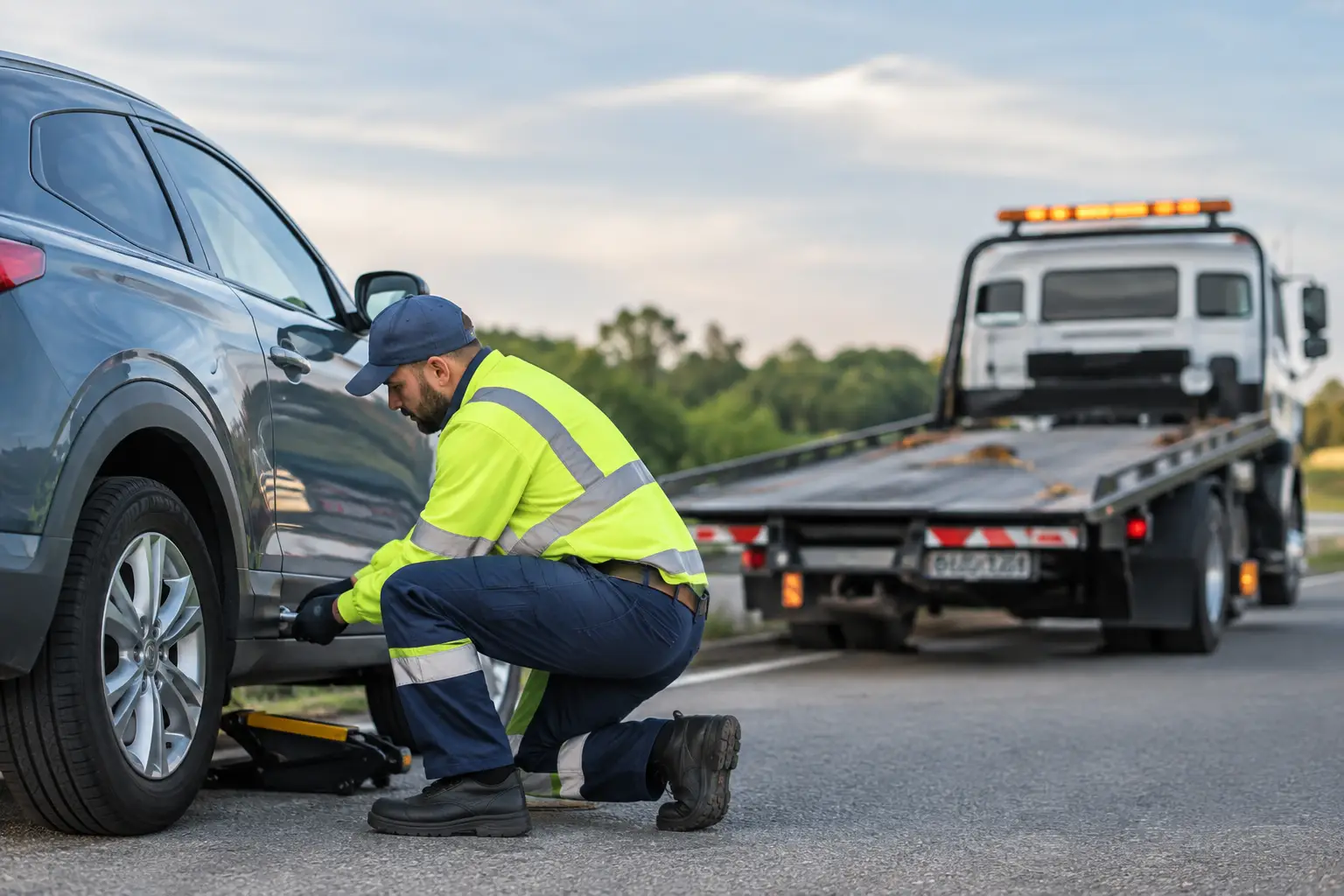
Trying an improvised repair beside a busy road can expose the driver to traffic and create further damage. A mobile commercial truck repair service can assess the issue where the truck is stopped, determine whether a repair is possible on site, and help avoid unnecessary towing or downtime. For drivers and fleets around Hammond, Hopper Roadside provides local support when a truck cannot safely continue.
The practical rule is simple: stop before control, visibility, equipment condition, cargo security, or driver alertness becomes questionable. Freight can be rescheduled. A safe driver, protected load, and controlled truck are the priority every time.