
Commercial Truck Repair When Every Minute Counts
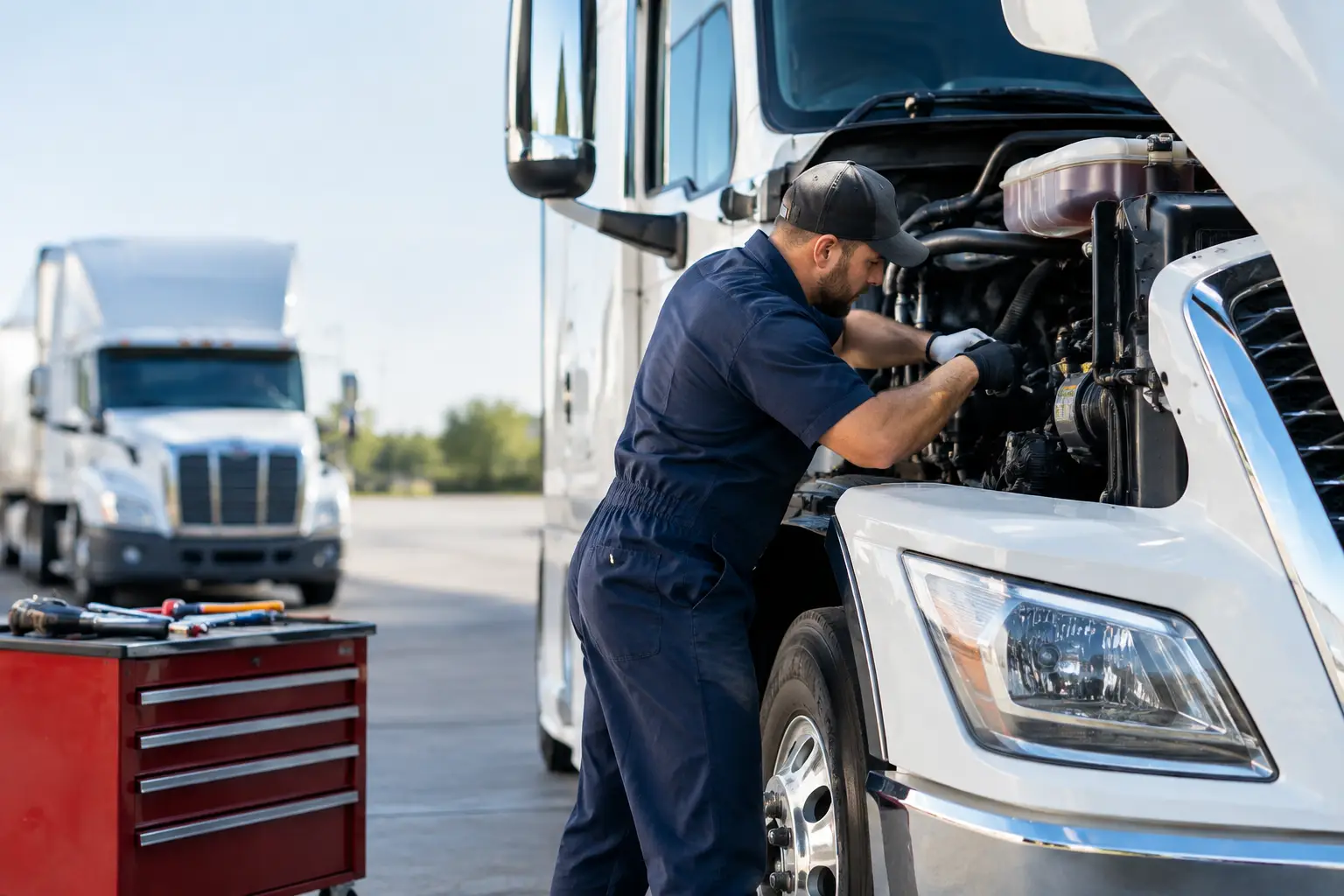
A warning light at the edge of Hammond, a truck that will not build air, or an engine that loses power under load can turn a normal route into a costly stop. Commercial truck repair is not just about replacing a failed part. It is about making the truck safe, protecting the driver, and deciding whether the equipment can return to service or needs a larger repair.
For owner-operators, dispatchers, and fleet managers, the right response starts before a technician arrives. Clear information, a safe stopping location, and an honest assessment of the problem can reduce downtime and prevent a minor mechanical issue from becoming a roadside emergency.
Start With Safety, Not Diagnosis
When a truck develops a mechanical problem, the driver should first get out of traffic if the vehicle can be moved safely. Turn on hazard lights, set warning devices as required, and avoid stopping where the truck is hidden by a curve, hill, or low light. A repair decision is secondary if the location puts the driver or other motorists at risk.
Do not continue driving just to reach the next exit when there is a serious warning sign. Low oil pressure, rising coolant temperature, loss of braking performance, air pressure issues, heavy smoke, fuel leaks, or a tire that is coming apart can quickly become more expensive and more dangerous. Shutting down may disrupt the schedule, but it can prevent engine damage, a wheel-end failure, or an accident.
Once the truck is secured, note the exact location, direction of travel, truck number, trailer information, and nearby landmarks. This is especially useful on rural Louisiana roads, where a mile marker or crossroad may be more useful than a general city name.
What to Report When Calling for Truck Repair
A mobile technician can arrive better prepared when the caller provides useful details upfront. “The truck broke down” starts the conversation, but it does not help identify the tools, parts, or service approach that may be needed.
Explain what happened immediately before the failure. Did the engine crank but not start? Did the truck lose power while pulling a load? Is an air leak audible? Did a warning light appear after a fuel stop? Mention any recent repairs, dashboard messages, fluid loss, unusual smells, vibration, smoke, or visible damage.
The truck and engine details matter as well. Have the make, model, year, VIN when available, engine type, and unit number ready. For a tractor-trailer, describe whether the issue is with the tractor, trailer, brakes, lights, suspension, tires, electrical connection, or another system. A refrigerated trailer, liftgate, or specialized body may add equipment that needs separate attention.
It also helps to state whether the truck is loaded and what kind of load it carries. A loaded trailer may affect where the truck can be worked on, how it can be moved, and how urgently it must be returned to service. Hazardous materials, temperature-sensitive freight, and delivery deadlines should be disclosed clearly, without asking a technician to take unnecessary risks.
Problems That Often Need Mobile Commercial Truck Repair
Many breakdowns do not begin as dramatic failures. They often start with a small issue that becomes impossible to ignore on the road. Mobile service is often a practical first response for faults that can be inspected and corrected where the truck is parked.
Air and Brake System Issues
Air system problems deserve immediate attention because they can affect braking and vehicle operation. A driver may notice slow air buildup, a constant leak, an air-pressure warning, or brakes that do not release correctly. The cause could be a damaged line, fitting, valve, compressor-related problem, or another component that requires inspection.
A truck should not be driven if safe operating air pressure cannot be maintained. Trying to limp to a shop with a brake-related issue is not a time-saving move. It can put the driver, cargo, and everyone nearby at risk.
Electrical, Starting, and Lighting Failures
A no-start condition may be as simple as a battery connection or as involved as a charging, wiring, starter, or ignition issue. Electrical problems can also affect trailer lights, marker lights, brake lights, and communication between truck and trailer. These issues can keep an otherwise sound truck from operating legally or safely.
A technician needs to test rather than guess. Replacing parts without identifying the source of a voltage drop, poor connection, or charging problem can create repeat downtime later in the route.
Cooling, Belts, Hoses, and Fluid Leaks
An overheating engine can result from low coolant, a failed hose, a belt problem, a leaking fitting, a fan issue, or a more serious mechanical fault. The right repair depends on the source of the failure. Adding coolant and continuing down the road may provide only a short-term change while the real leak gets worse.
Oil, fuel, coolant, and diesel exhaust fluid leaks should be reported with as much detail as possible. Note the color of the fluid, where it appears to be coming from, and whether the leak occurs only while the engine is running. Never crawl under an unsecured truck to find the source.
Tires, Wheel Ends, and Suspension
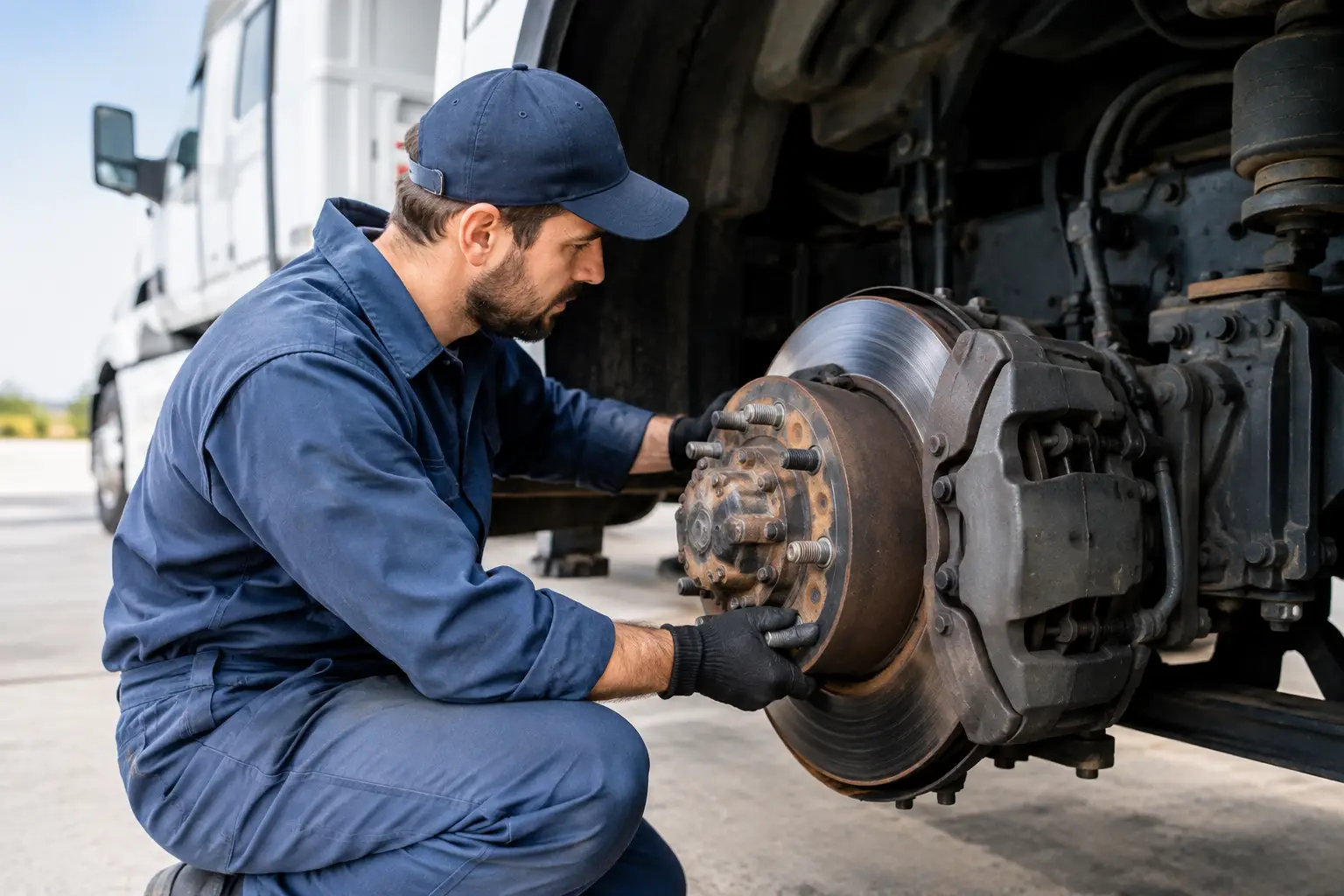
A blown tire, damaged tread, loose wheel-end component, or suspension concern can quickly sideline a commercial vehicle. Drivers should avoid handling wheel-end repairs themselves on the roadside. Heat around a hub, grease loss, unusual grinding, or a pulling condition may point to an issue that needs immediate professional attention.
Tire damage is not always isolated to the tire. A roadside inspection should consider the wheel, valve stem, surrounding lines, fender damage, and any debris that may have caused the failure. Replacing one visible problem without checking the area can lead to another stop a few miles later.
When Mobile Repair Is the Right Call
Mobile repair is most useful when the truck can be made safe and serviceable at its current location. That may include addressing certain air leaks, electrical faults, starting problems, hoses, belts, lighting issues, or other accessible mechanical concerns. It avoids the added delay of moving a truck before anyone has assessed the problem.
That does not mean every breakdown should be repaired roadside. Major engine damage, transmission failure, extensive collision damage, internal brake work, unsafe parking conditions, or repairs requiring heavy lifting and specialized shop equipment may require towing or transport to a repair facility. A capable provider should be direct about that distinction instead of promising a roadside fix that is not realistic.
The goal is not to perform every possible repair beside the highway. The goal is to make the correct call quickly: repair it where it sits, move it to a safer location, or send it to a shop for the work it actually needs.
Reduce Downtime Before the Next Breakdown
Emergency service matters, but preventive attention still protects the schedule. Drivers should include basic walk-around checks in their routine: tires, lights, fluid signs, hoses, visible air leaks, coupling equipment, and warning indicators. A five-minute inspection before departure can expose a problem before it becomes a roadside call.
Fleet managers can help by tracking recurring faults rather than treating every service call as separate. If the same unit repeatedly has battery issues, air leaks, cooling trouble, or trailer-light failures, the truck needs a more complete inspection. Repeated roadside repairs can keep freight moving for the day, but they do not replace a plan to correct the underlying cause.
Keep unit information, maintenance records, driver contacts, and after-hours service procedures available to dispatch. When a breakdown happens, the operation should not lose another hour searching for the truck number, warranty information, or the nearest qualified help.
Hopper Roadside provides roadside assistance, automotive locksmith support, and commercial truck repair for drivers and operators who need practical help where the problem happens. When a truck is down, accurate information and a safe response give the repair process its best chance to get the equipment moving again.
The next time a warning light appears or a truck stops unexpectedly, resist the pressure to guess, force it forward, or wait until the damage grows. Secure the scene, report the symptoms clearly, and get the right repair decision made while the problem is still manageable.