
Fleet Roadside Assistance That Keeps Trucks Moving

A disabled fleet vehicle is not just a repair issue. It can mean a missed delivery window, a driver stranded on a shoulder, a customer waiting on equipment, or a route that has to be rebuilt on the fly. Fleet roadside assistance gives businesses a direct response when a truck, van, or work vehicle cannot safely keep moving.
For Louisiana fleet operators, the goal is straightforward: protect the driver, identify the problem, and get the vehicle back in service when possible. When repair cannot happen roadside, fast, practical information still helps the business make the next decision without losing more time than necessary.
What Fleet Roadside Assistance Covers
Fleet roadside assistance is emergency support for business-operated vehicles that experience a problem away from the shop. The exact scope depends on the vehicle and the issue, but the service is meant to address the immediate disruption rather than wait for a scheduled maintenance appointment.
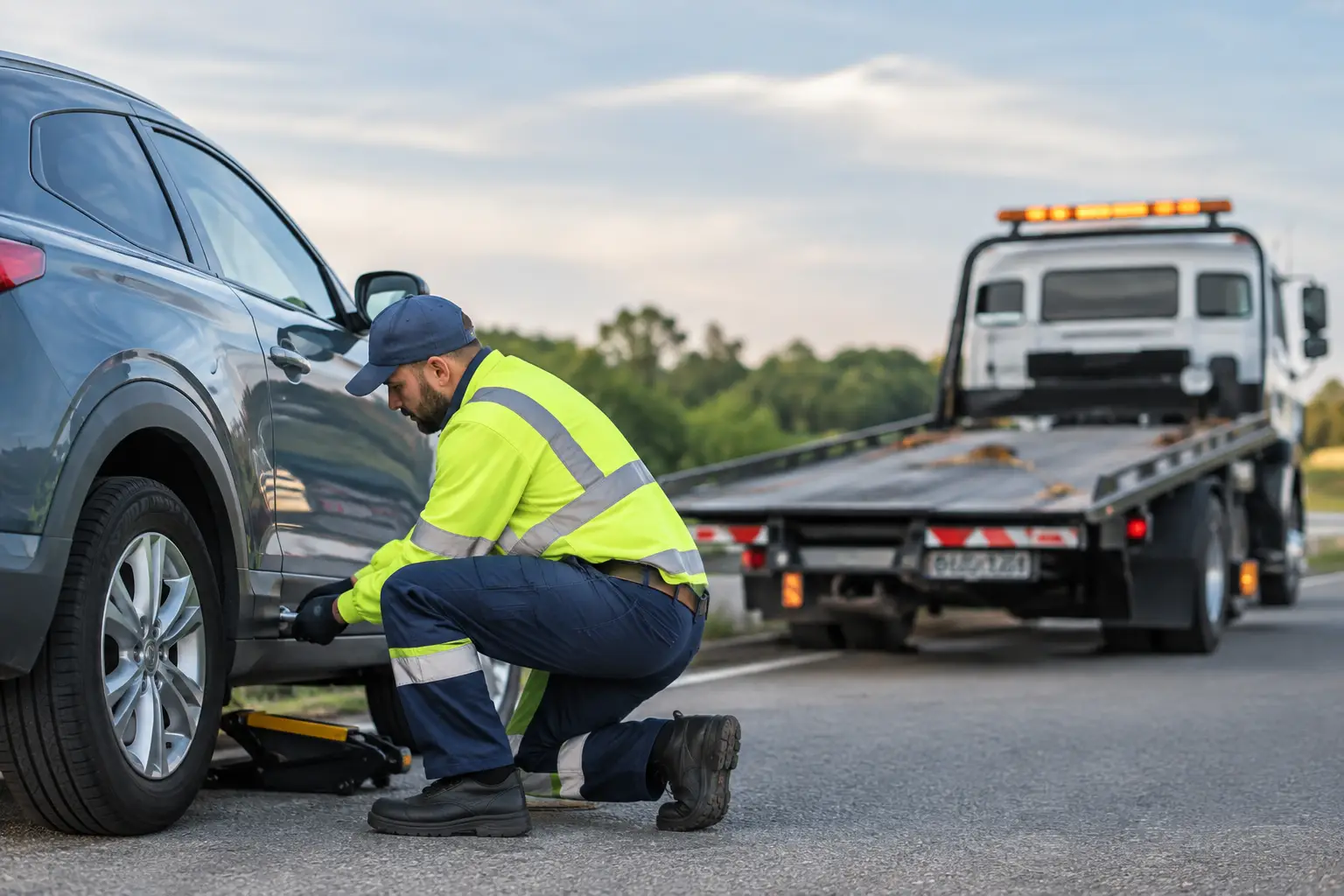
For light-duty fleet vehicles, common calls include dead batteries, flat tires, lockouts, fuel-related problems, and no-start conditions. A service van with a drained battery can put an entire technician schedule behind. A locked work truck can leave tools, paperwork, and equipment inaccessible at the worst possible time.
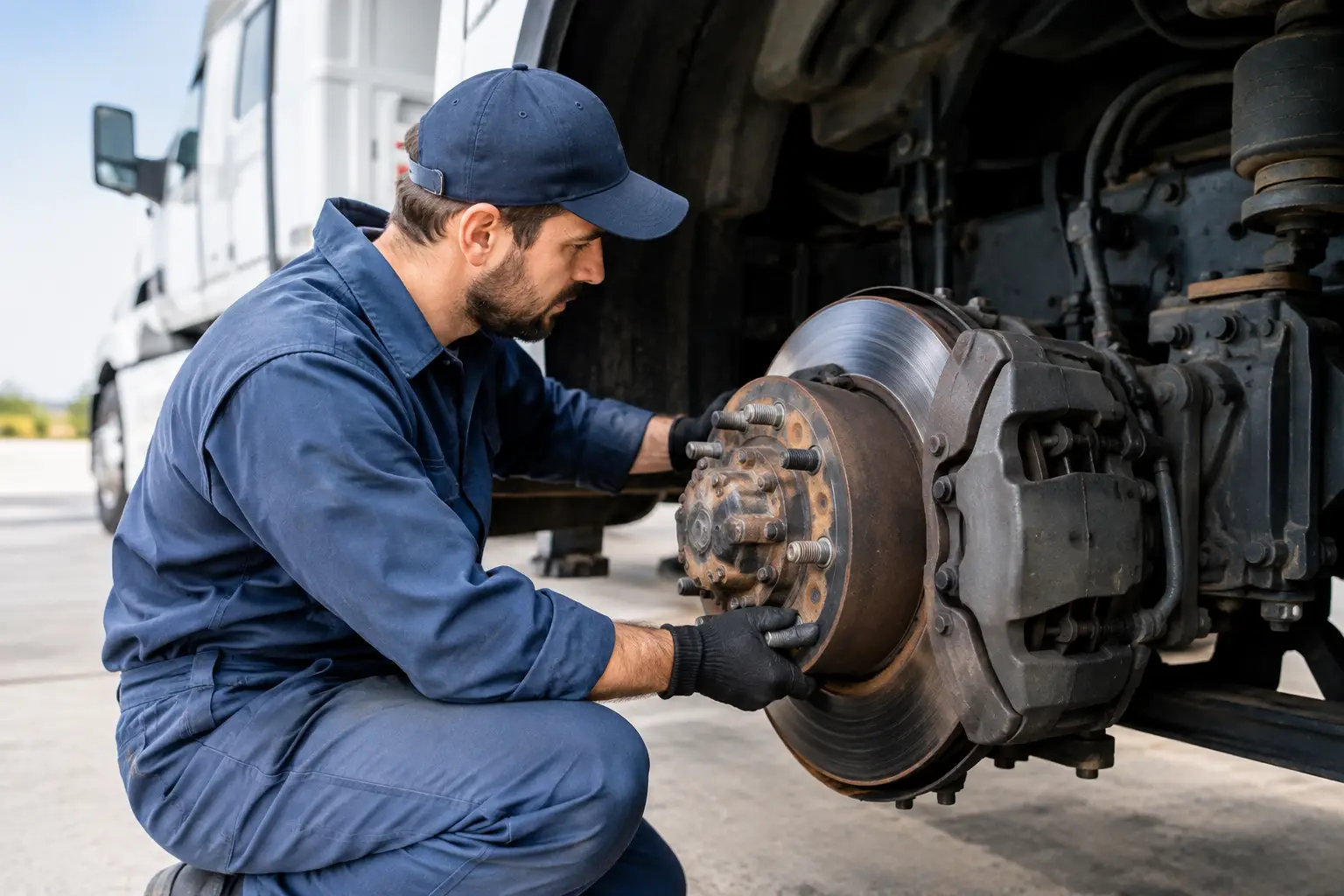
Commercial trucks bring different concerns. Mechanical trouble, air system issues, tire problems, electrical faults, and other breakdowns can sideline a driver and affect a load, appointment, or compliance schedule. Commercial truck roadside repair focuses on determining whether the vehicle can be safely repaired where it sits or whether it needs further service.
The difference matters. A passenger vehicle may only need a jump-start or access to locked keys. A loaded commercial truck may require a closer look at operating condition, safety, and whether moving the vehicle would create a larger problem.
Why Fast Response Matters to Fleet Operations
Downtime is expensive even when the repair itself is minor. The direct cost may include labor, missed billable hours, delayed deliveries, substitute transportation, and recovery arrangements. The harder cost to measure is disruption. Dispatchers reshuffle routes, drivers wait without clear direction, and customers may lose confidence when a promised arrival time changes.
A roadside response cannot prevent every delay, but it can shorten the period between a breakdown and a decision. If a technician can restore the vehicle at the roadside, the fleet avoids a tow and gets the unit moving sooner. If the problem requires a shop repair, the fleet manager has useful information sooner and can arrange the next step with less guesswork.
Driver safety is just as important. A truck stopped near traffic, on a rural road, or in poor weather is not a situation to manage through repeated phone calls and uncertain instructions. The driver needs a clear plan, a service provider who understands the type of vehicle involved, and an accurate location for dispatch.
When to Call for Fleet Roadside Assistance
Call as soon as the vehicle cannot continue safely or the driver is unable to access or operate it. Waiting to see if a problem clears on its own can turn a manageable roadside call into a more serious breakdown.
No-start conditions are a common example. The cause may be a weak battery, a connection issue, a key or ignition problem, or a mechanical fault. A roadside technician can assess the immediate condition and help determine whether a simple service will get the vehicle moving.
Lockouts deserve the same urgency. For a fleet, locked keys are not a small inconvenience when the vehicle contains tools, delivery materials, customer property, or work equipment. Automotive locksmith support can restore access without forcing the driver to locate a separate provider.
Commercial drivers should also call when they notice an issue that affects safe operation, including warning indicators, air loss, electrical trouble, tire damage, overheating, or a mechanical condition that prevents the truck from continuing. Continuing with an unsafe truck can increase repair costs and put the driver and other motorists at risk.
The Information That Speeds Up Dispatch
A good roadside call starts with accurate details. The more useful information the fleet can provide, the easier it is to send the right help and avoid delays after arrival.
Have the driver or dispatcher provide:
- The exact location, including nearby exits, cross streets, mile markers, or recognizable landmarks
- The vehicle type, unit number, make, model, and whether it is a passenger vehicle, work truck, or commercial truck
- A clear description of the problem, including warning lights, visible damage, sounds, or whether the vehicle will start
- The driver’s phone number and any details that affect access, such as a locked cab, trailer, load, or parking restriction
For commercial vehicles, it also helps to explain whether the truck is loaded, parked safely, blocking an entrance, or carrying time-sensitive freight. Those details do not replace a diagnosis, but they help the response team understand the situation before arriving.
Roadside Repair Versus Towing
Not every disabled vehicle should be towed immediately. A roadside repair can be the faster and less disruptive choice when the issue is limited and the vehicle can be returned to safe operating condition. Battery service, tire assistance, vehicle access, and some mechanical or electrical problems may be handled where the vehicle is stopped.
However, roadside service has limits. If a repair cannot be completed safely at the location, if the truck has a serious mechanical failure, or if operating it would risk further damage, the right move may be to take the vehicle out of service. The best provider will be direct about that decision instead of treating every call as a quick fix.
Fleet managers should not measure a roadside call only by whether the truck drives away. A successful call may also be one that identifies a serious issue before the driver gets back on the road. Knowing the vehicle needs shop attention is better than sending it onward with an unresolved safety concern.
Building Roadside Response Into Your Fleet Plan
Emergency calls are easier to manage when drivers know what to do before one happens. A simple fleet response plan should tell drivers who to call, what details to provide, and when they must stop operating the vehicle. It should also make clear that drivers should not attempt repairs beyond their training or work in unsafe traffic conditions.
Maintenance still matters. Regular inspections, battery checks, tire monitoring, fluid checks, and attention to recurring warning lights can reduce avoidable roadside events. But preventive maintenance does not eliminate punctures, lockouts, unexpected electrical failures, or mechanical problems that show up between service intervals.
That is why a local response partner remains valuable. Hopper Roadside supports drivers and commercial operators in the Hammond area with roadside assistance, automotive locksmith help, and commercial truck repair. Having those capabilities available through one call can save time when the situation is unclear and the vehicle needs immediate attention.
For fleet managers, keep the service contact available to dispatch and every driver. For drivers, prioritize a safe stopping location, communicate the problem clearly, and report changes quickly. A fast, informed roadside response gives the business its best chance to protect people, limit downtime, and keep the next job on schedule.