
How to Handle a Stranded Vehicle Safely on Roads
A breakdown becomes dangerous when the vehicle stops in the wrong place. Knowing how to handle a stranded vehicle safely means making the next few decisions in the right order: get out of the traffic flow if possible, make your location visible, protect the people with you, and call for the appropriate help.
The repair can wait. A flat tire, dead battery, lockout, overheating issue, or truck mechanical failure is a problem. Being exposed to fast-moving traffic, poor visibility, heat, or floodwater is the immediate risk.
Handle a Stranded Vehicle Safely by Securing the Scene
If the vehicle is still moving, do not brake hard unless you must avoid a collision. Turn on the hazard lights, reduce speed gradually, and look for the safest available place to stop. A parking lot, wide shoulder, service road, exit ramp, or other area away from traffic is better than stopping in an active travel lane.
Avoid pulling onto soft ground, a narrow shoulder beside high-speed traffic, a blind curve, a bridge, or an area where other drivers will have little time to see you. At night or in heavy rain, the visible distance is shorter than it seems. Keep moving carefully to a safer location if the vehicle can do so without creating more damage or putting anyone in danger.
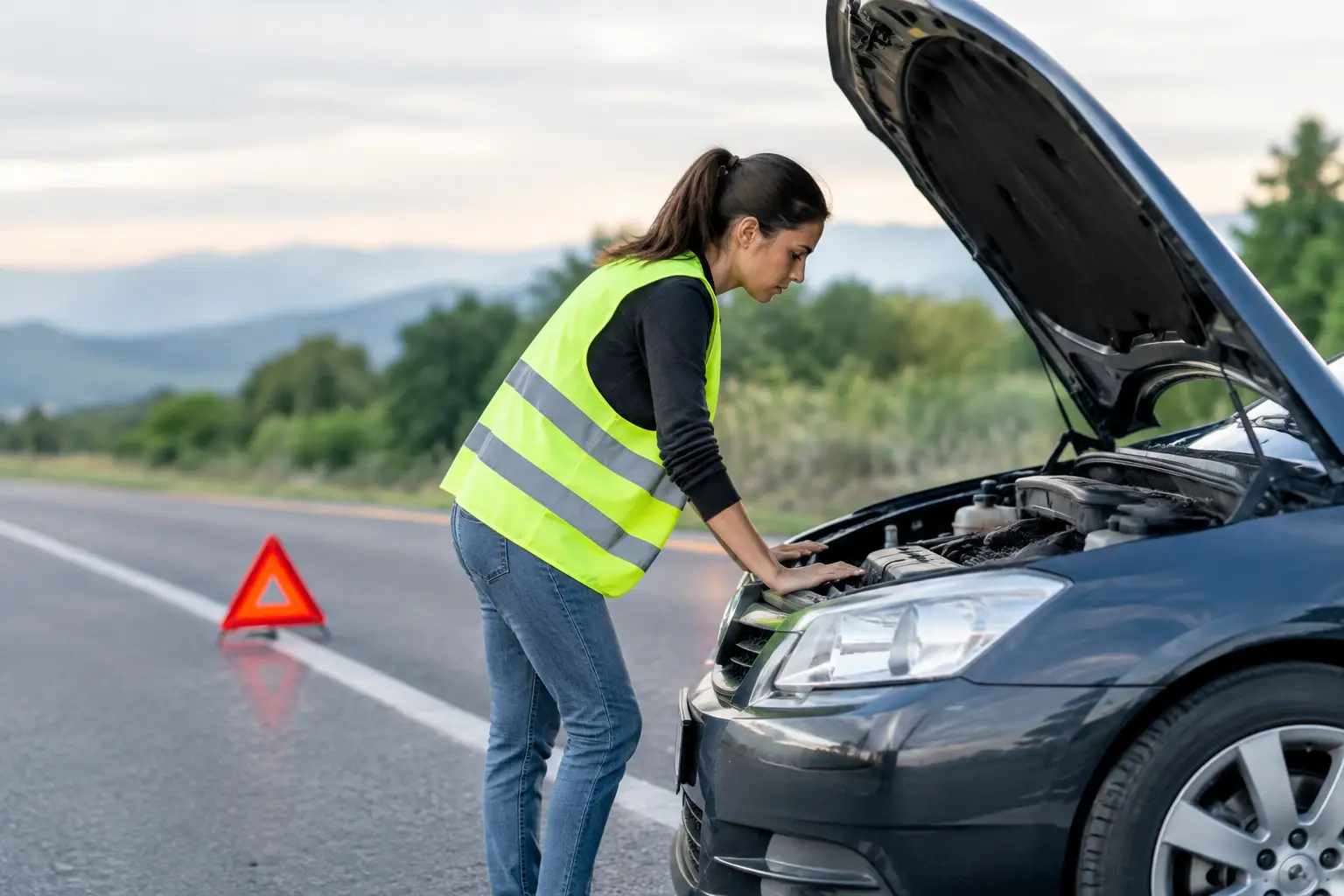
Once stopped, put the vehicle in park and set the parking brake. Keep hazard lights on. If you have reflective triangles, road flares, or a high-visibility vest, use them only when you can place or wear them without stepping into traffic. Do not walk along a busy highway shoulder just to set out warning devices.
On a busy road, most drivers are safer inside the vehicle with seat belts fastened, especially when there is no protected area nearby. Keep doors locked and watch traffic. If you must leave because of smoke, flames, a fuel leak, rising water, or another immediate threat, move well away from the vehicle and traffic lanes. If a guardrail is available, get behind it rather than standing between the vehicle and passing traffic.
Decide Whether It Is an Emergency
Call 911 right away when there are injuries, a crash, fire, smoke, a suspected fuel leak, a vehicle blocking traffic, or an unsafe roadside situation. The same applies if you are stranded in floodwater or feel threatened by another person. Do not try to manage a serious hazard alone.
Louisiana weather can change a routine breakdown quickly. During severe rain, do not attempt to drive through standing water to reach help. Water depth is difficult to judge, road edges can wash out, and moving water can shift a vehicle. If water is rising around the vehicle, get to higher ground when it is safe to do so and call emergency services.
For a non-emergency breakdown, call roadside assistance or a repair provider after you have made the scene as safe as possible. Give the dispatcher useful details: your exact location, direction of travel, vehicle description, the issue you noticed, and whether you are in a safe spot. A mile marker, nearby exit, business name, cross street, or map pin can help a mobile technician find you faster.
Do Not Turn a Minor Problem Into a Roadside Injury
Some roadside jobs are reasonable in a protected location. Others are not. It depends on traffic speed, shoulder width, weather, lighting, your physical ability, and the tools available.
Changing a tire on a level parking lot is different from changing one on the narrow side of a highway. If the vehicle is leaning, the ground is soft, traffic is close, or you are unsure where to place the jack, wait for roadside help. A vehicle can shift or fall when improperly lifted, and a few saved minutes are not worth the risk.
The same rule applies to jump-starting a battery. Do not attempt a jump if you see leaking fluid, damaged cables, a swollen battery case, or signs of electrical damage. Never lean over a battery while connecting cables. If the vehicle has been overheating, do not remove the radiator cap. Hot cooling systems can release pressurized steam and coolant with enough force to cause serious burns.
Lockouts also call for restraint. Avoid forcing a door, prying a window, or using improvised tools that can damage the weather stripping, lock mechanism, airbags, or electronics. Automotive locksmith support is usually the safer route, particularly for newer vehicles with electronic keys or push-button ignition systems.
Protect Passengers While You Wait
Keep children, older adults, and pets away from the traffic side of the vehicle. If everyone must stay inside, keep seat belts on and use the phone to update someone you trust about your location. Conserve phone battery by lowering screen brightness, closing unused apps, and using a car charger if it is safe and available.
Heat can become a real concern during a Louisiana roadside stop. If the engine is not safe to run or the air conditioning is unavailable, open windows only as conditions allow, use water carefully, and seek a shaded or secure nearby location if you can reach it without crossing traffic. Do not leave children or pets unattended in a hot vehicle.
If you are waiting after dark, do not accept help from an unidentified person who asks you to get into their vehicle. You can acknowledge a Good Samaritan through a closed window and tell them help is already on the way. When a service provider arrives, confirm the company name and the type of assistance expected before unlocking doors or handing over keys.
Extra Steps for Stranded Commercial Trucks
A disabled commercial truck creates a larger roadside footprint and can affect traffic, delivery schedules, and driver safety. The first priority remains scene control. Activate flashers, secure the vehicle, and use required warning devices according to applicable regulations and company policy when conditions allow safe placement.
Tell dispatch whether the truck is loaded, what type of cargo is involved, whether there is a trailer issue, and if the vehicle is blocking a lane. Report warning lights, loss of air pressure, tire failure, driveline issues, overheating, no-start conditions, or brake concerns as clearly as possible. Accurate details help determine whether the truck needs mobile repair, towing, cargo support, or emergency response.
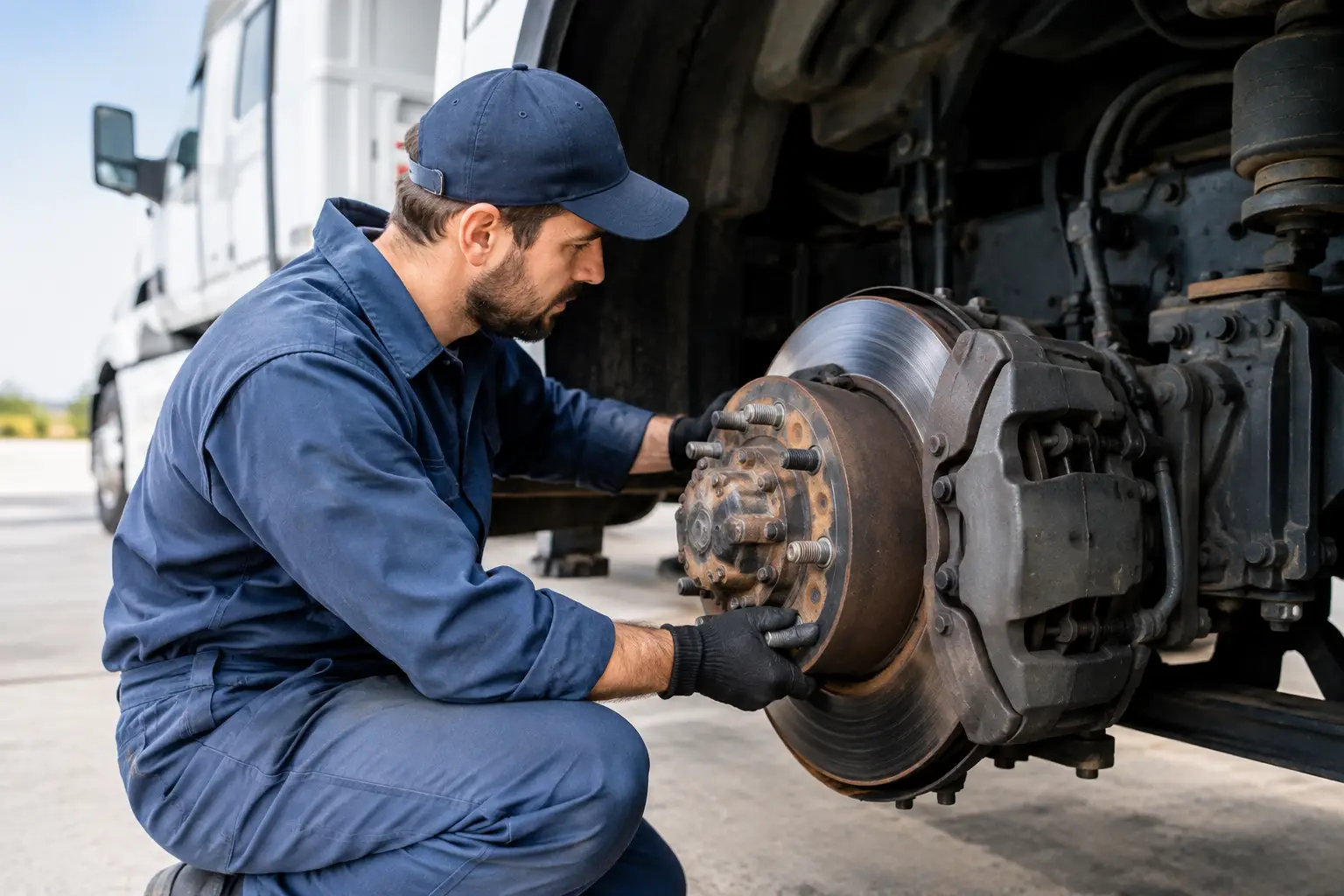
Do not crawl under a truck on the shoulder. Do not attempt repairs near wheels, brakes, air lines, or suspension components without proper training, tools, and a protected work area. A commercial vehicle may appear stable while still carrying stored air pressure, heat, weight, or mechanical hazards that demand professional handling.
Fleet managers should also have a clear check-in process. The driver needs a reliable way to report location, vehicle condition, cargo status, and personal safety. Dispatch should document the incident and keep customers or delivery contacts informed without pressuring the driver to make an unsafe repair decision.
Keep a Small Roadside Plan in Every Vehicle
You do not need a fully stocked repair shop in the trunk. A charged phone, charger, flashlight, water, basic first-aid supplies, reflective gear, and emergency contact information cover many of the first needs during a roadside stop. For commercial operators, inspection records, fleet contacts, warning devices, and cargo information should be easy to access.
Before a long drive, check tire condition, fuel level, battery performance, coolant, lights, and spare tire equipment. These checks will not prevent every breakdown, but they reduce avoidable roadside surprises. They also make it easier to explain the problem when help arrives.
When you are stranded near Hammond or elsewhere in Louisiana, the best move is usually the calm one: secure the vehicle, keep people out of danger, and get qualified help for the problem in front of you. Hopper Roadside can assist with roadside needs, vehicle access issues, and commercial truck repair when the situation calls for a local response.