
Locksmith Hammond LA for Fast Car Lockout Help
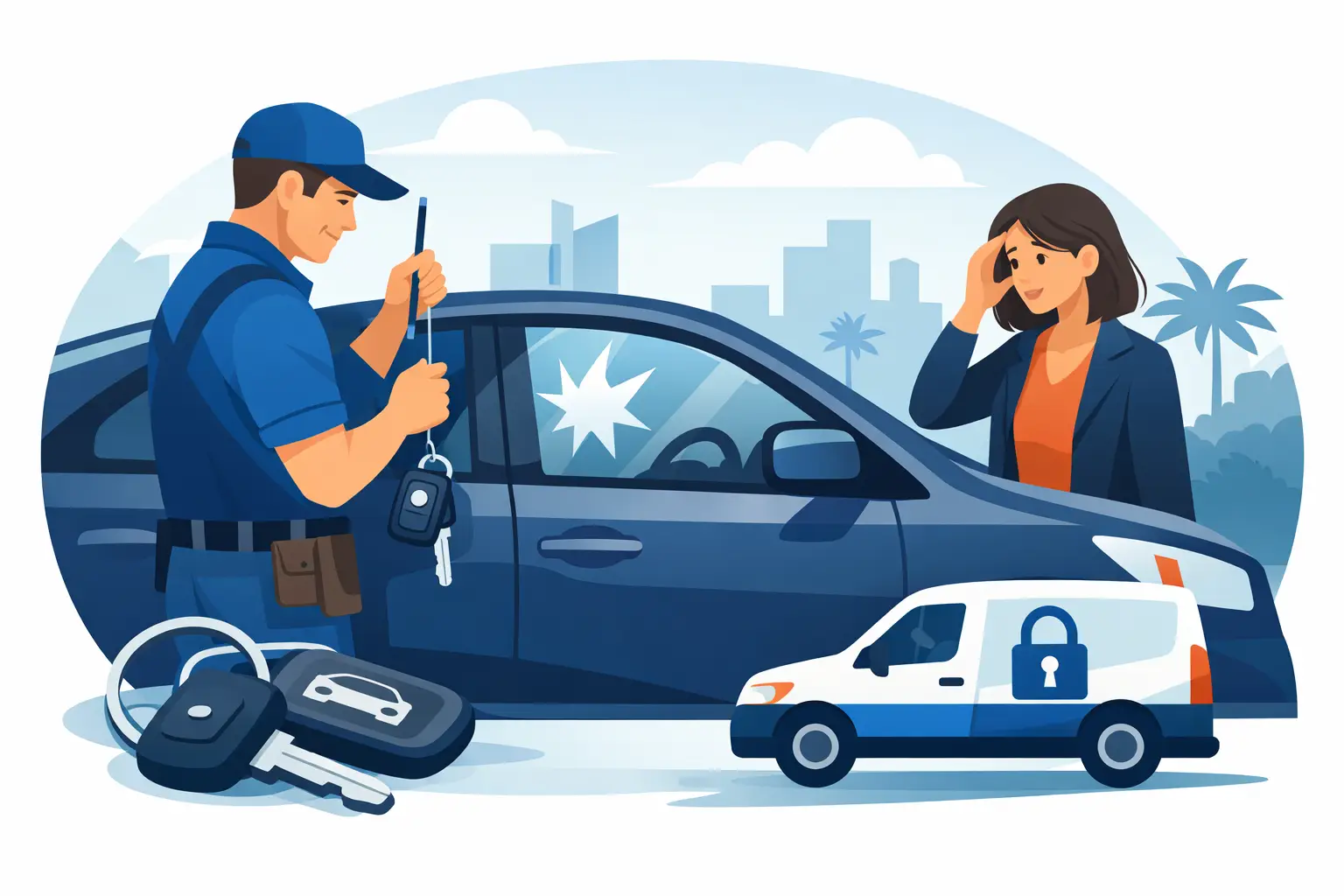
A car lockout can stop a normal day in seconds. Your keys may be sitting on the seat, the remote may have failed, or the key may have broken before you could start the vehicle. When you need a locksmith Hammond LA drivers can rely on, the priority is simple: stay safe, avoid damaging the vehicle, and get practical mobile help to your location.
For drivers in Hammond and the surrounding area, a vehicle-access issue is often more than an inconvenience. It can leave a parent stranded with children, delay a commute, interrupt a service call, or hold up a delivery route. The right response depends on where you are, what happened to the key, and whether the vehicle has another mechanical problem that needs attention.
Start With Safety, Not the Door Lock
If you are locked out on the shoulder, in a busy parking lot, or somewhere with limited visibility, move yourself to a safer place if possible. Stand away from traffic, turn on hazard lights if the vehicle is in a travel lane or near it, and keep an eye on your surroundings. Do not leave children, pets, or anyone needing medical attention inside a locked vehicle. Call emergency services immediately if someone is in danger.
Once the immediate safety issue is handled, take a moment to confirm the situation. Check every door and the trunk only if it can be done without forcing anything. Some vehicles will not allow access through the trunk, and trying to manipulate a lock or window can damage weather stripping, door hardware, glass, or electronic components.
Avoid improvised tools. Coat hangers, wedges, screwdrivers, and online tricks are a costly gamble on modern vehicles. Many cars have side-impact components, wiring, sensitive seals, and electronic locks inside the door. A lockout that begins as a simple access problem can become a repair problem when the wrong tool is used in the wrong place.
When to Call a Locksmith in Hammond LA
Mobile automotive locksmith help is the direct choice when the vehicle is secure but you cannot get into it or use the key normally. A technician can assess the vehicle and the type of access issue before taking action. That matters because a key left inside requires a different approach than a snapped key, a damaged ignition, or a remote that will not communicate with the vehicle.
Call for locksmith support when you have locked your keys in the vehicle, lost the key you normally use, broken a key, or cannot gain normal entry. If the vehicle is open but will not crank, the issue may not be locksmith-related. A dead battery, failed starter, fuel issue, flat tire, or mechanical fault may call for roadside assistance instead.
This distinction saves time. It also helps the dispatcher send the right kind of support. Describe what you see rather than trying to diagnose the problem yourself. Say whether the keys are visible inside, whether the key turns, whether the remote responds, whether the vehicle is running, and whether you are in a safe location.
Information That Speeds Up Dispatch
A clear service request helps a mobile provider locate you and prepare for the job. Have your vehicle year, make, model, color, and exact location ready. A nearby business name, parking-lot section, mile marker, or cross street can be more useful than a general description of the area.
It also helps to explain whether the keys are inside the vehicle, missing, broken, or not working. Be prepared to show identification and proof that you are authorized to access the vehicle. This is a normal part of responsible automotive locksmith service. It protects vehicle owners and helps prevent unauthorized entry requests.
If you are driving a work vehicle, tell the dispatcher that as well. Fleet vehicles, vans, and commercial equipment can have different access setups, company policies, or equipment constraints. The more accurate the initial details are, the less likely it is that the job will be delayed by a mismatch between the problem and the response needed.
Common Car Lockout Problems and the Right Response
Not every lockout looks the same. In some cases, the solution is straightforward. In others, the vehicle may need more than entry service.
A key locked inside a parked car is usually an access issue. Stay nearby if it is safe, keep your phone charged, and do not force the window or door. If the vehicle is running while locked, mention that right away, especially if it is in an enclosed area or has a child or pet inside.
A lost key can be more complicated. You may be able to use a spare key at home, but that does not help if you are away from home or the spare is unavailable. Modern keys often include electronic components, so replacement options can depend on the vehicle and the condition of the remaining keys. A mobile provider can explain what is practical for the situation rather than assuming every vehicle uses the same type of key.
A broken key is another case where forcing the issue makes things worse. If part of the key is still in the lock or ignition, stop trying to turn it. Repeated pressure can push the broken piece farther in or damage the cylinder. If you still have the broken pieces, keep them together and let the technician know where the break occurred.
A remote or key fob that suddenly stops working may not always mean you need a locksmith. The battery may be weak, the vehicle battery may be low, or the vehicle may have a separate electrical issue. If you cannot enter the car and the remote is your only means of access, mobile locksmith help may still be appropriate. If you can enter the car but it will not start, roadside diagnosis may be the better next step.
Roadside Assistance and Locksmith Help Can Work Together
Vehicle problems do not always stay in one service category. You may regain access to the car and then discover a dead battery. You may call because the remote will not work and find that the vehicle battery is the real problem. A truck operator may have an access issue along with a mechanical concern that affects the ability to continue the route.
That is why it helps to contact a local provider that understands both roadside conditions and vehicle-access problems. Hopper Roadside serves drivers who need practical assistance where they are, whether the immediate need is an automotive lockout, basic roadside support, or commercial truck repair coordination.
For commercial drivers and fleet managers, time matters differently. A locked cab can delay a load, leave a driver exposed in an unfamiliar location, and disrupt the next appointment. But access is only one part of the decision. If the truck has a mechanical issue after entry is restored, the next service step should address that downtime without sending the driver through a separate round of calls.
Do Not Create a Bigger Repair
The fastest-looking option is not always the fastest outcome. Breaking a window, prying a door frame, or attempting to bypass electronic locks can add glass replacement, water leaks, wind noise, damaged paint, or electrical repairs to an already stressful day. Those costs and delays often exceed the cost of calling for proper help.
The same applies to using a spare key carelessly. If someone is bringing a spare to your location, make sure they can arrive safely and that you can remain in a secure spot while waiting. It may be the right choice when the delay is short and the situation is low-risk. It is not the right choice if you are stranded in unsafe conditions, the vehicle is running, or someone inside needs immediate help.
Prevent the Next Lockout
No prevention plan eliminates every lockout, but a few habits reduce the odds. Keep one spare key in a secure location that is not inside the vehicle. Replace weak remote batteries before they fail completely, especially if you have noticed reduced range or inconsistent operation. Before closing the door, make a quick habit of checking for your key or fob in your hand, pocket, or bag.
For work vehicles, fleet managers can reduce delays by setting a clear spare-key process and making sure drivers know who to contact after an access issue. The goal is not paperwork for its own sake. It is to keep drivers from improvising when they are under pressure.
If you are locked out now, focus on the next safe step: confirm your location, protect yourself and your passengers, and request the vehicle-access or roadside service that matches the actual problem.