
Locksmith Key Replacement for Lost Car Keys
A missing car key can stop the day fast. You may be parked at work, stranded outside a store, or standing beside your truck with no way to start it. Locksmith key replacement is the practical answer when you need a new working key at your vehicle, not a lecture about where the old one might be.
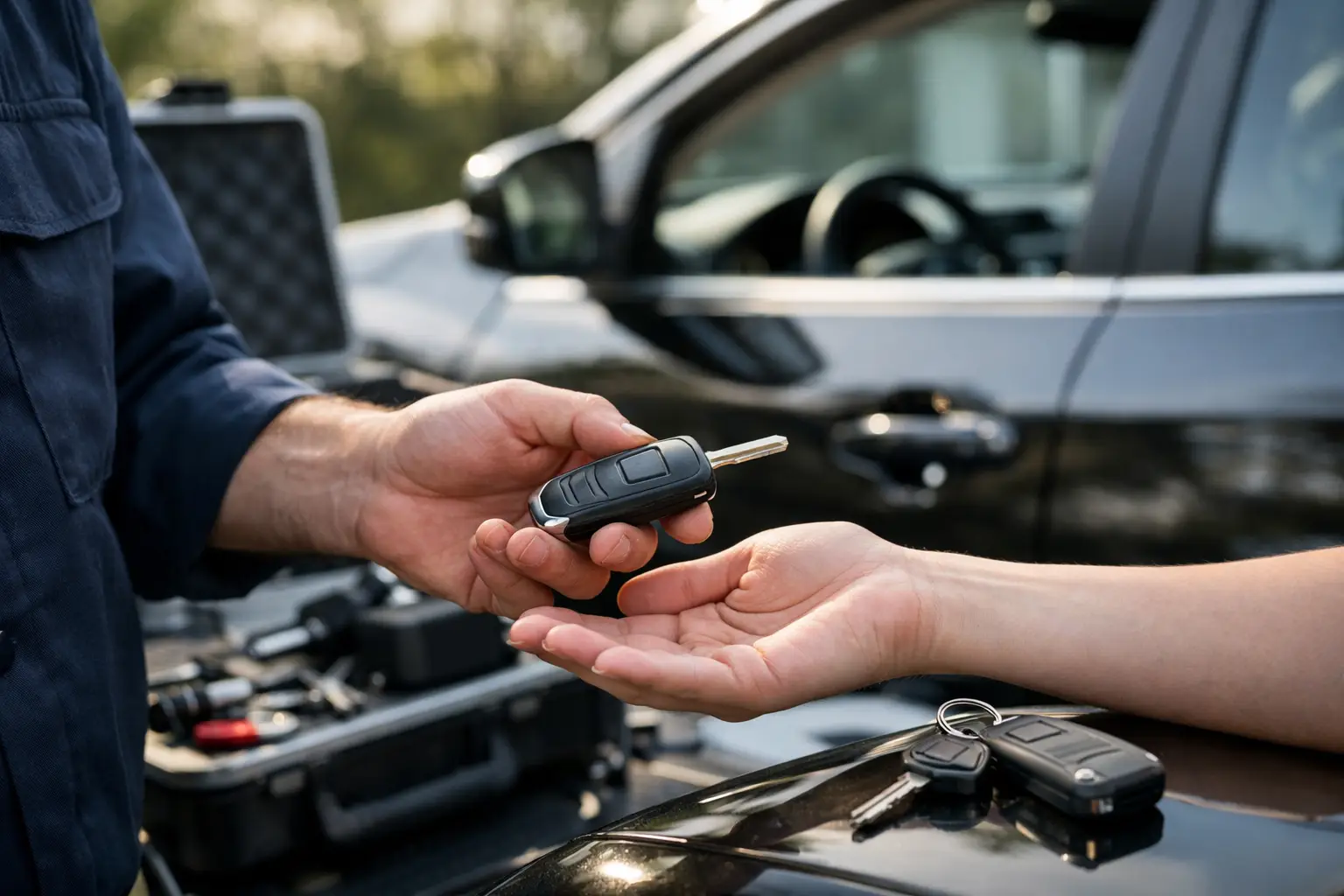
For drivers in Hammond and across Louisiana, the right response depends on the vehicle, the type of key, and whether the original key is lost, damaged, locked inside, or stolen. A mobile automotive locksmith can assess the situation on site, make or program the replacement when the vehicle allows it, and help restore access without adding a tow when one is not necessary.
When You Need Locksmith Key Replacement
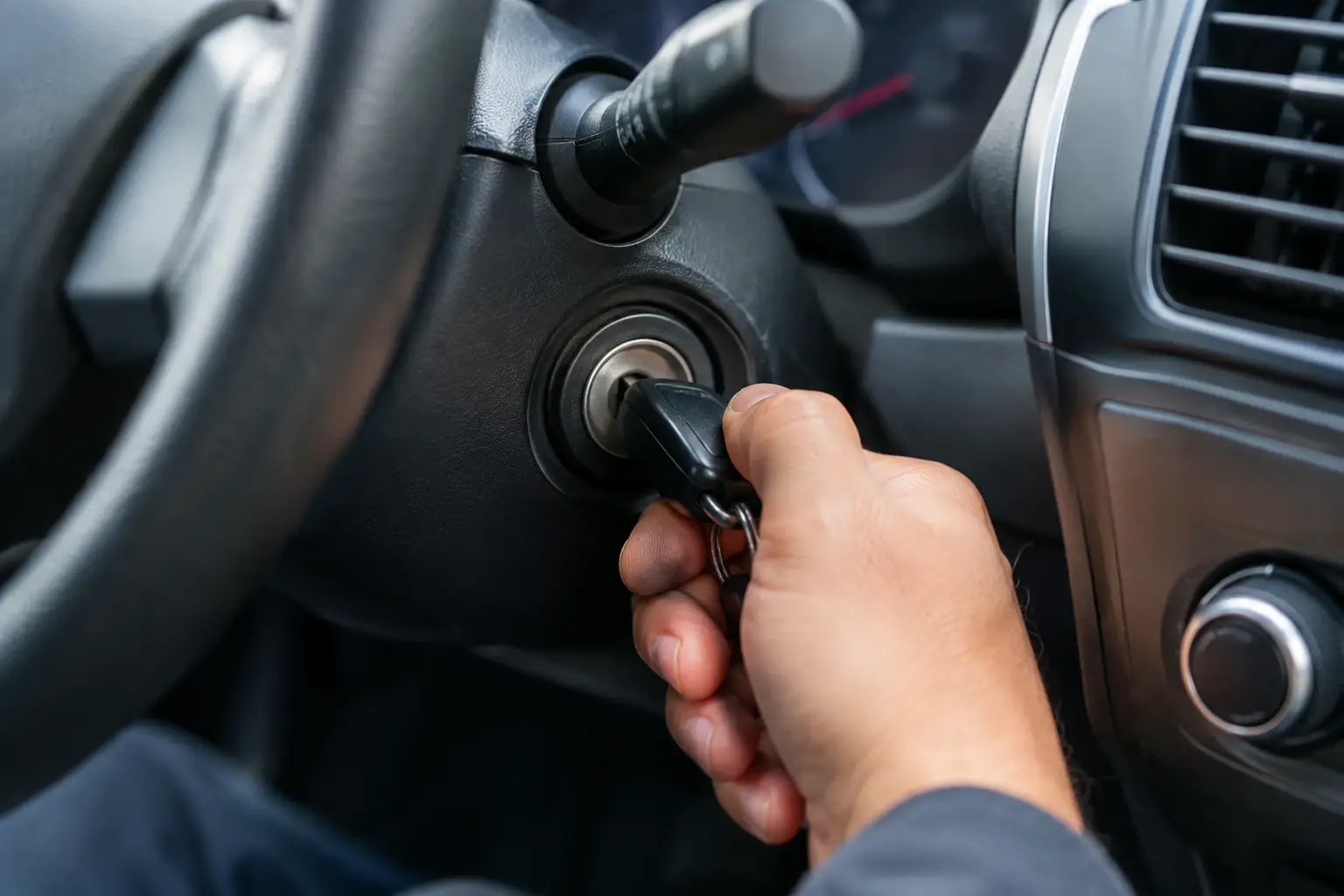
Key replacement is not limited to a key that has completely disappeared. A worn-out metal key can stop turning in the ignition or door. A key fob may still unlock the vehicle but fail to start it. A remote can have a broken case, damaged buttons, or a battery issue that looks like a larger failure. In other cases, a key has snapped in the lock or ignition.
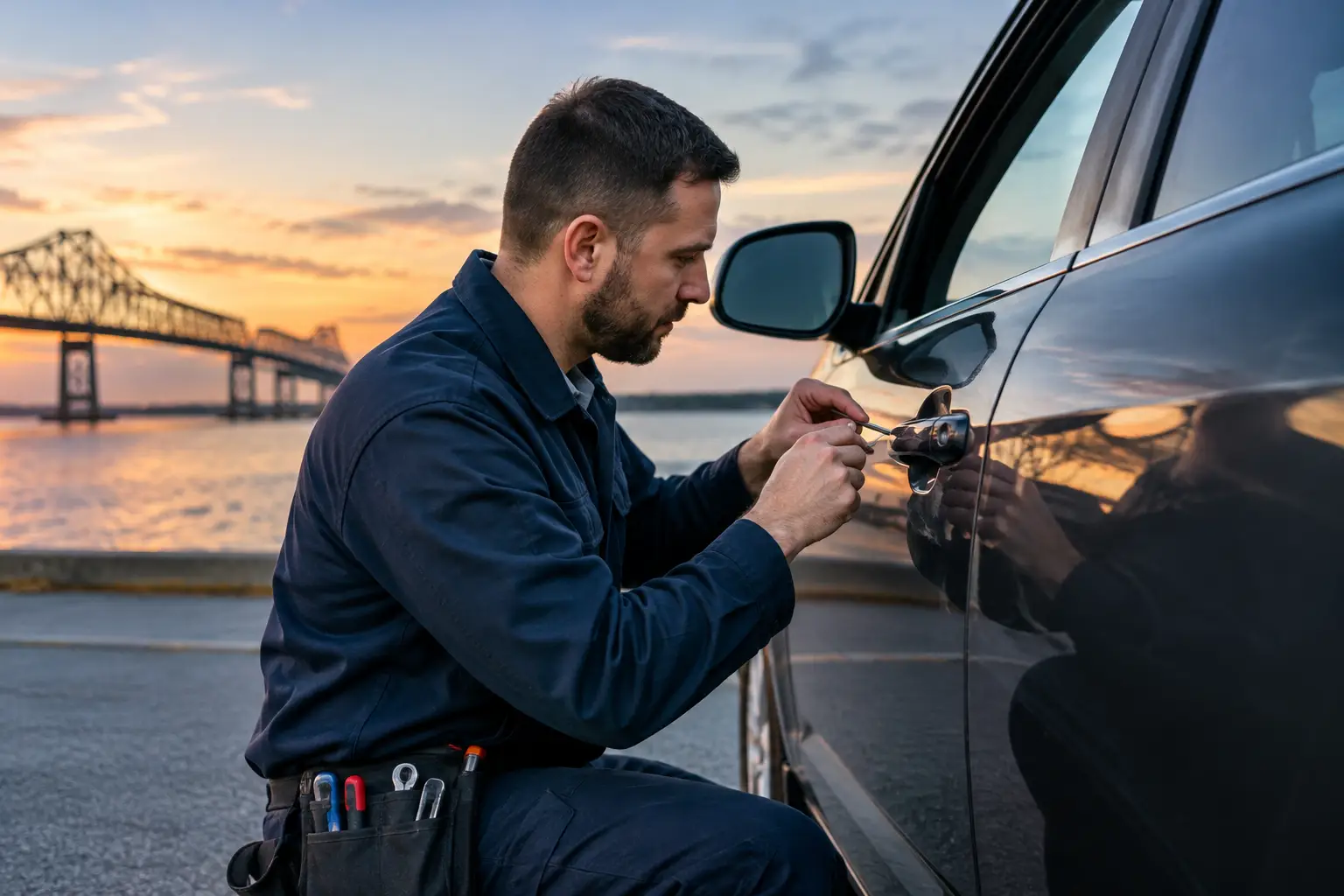
The first step is identifying what actually failed. If the key is locked inside a running vehicle, you may need a lockout service rather than a new key. If you have a spare key that starts the vehicle, a duplicate can be made before the remaining key becomes an emergency. If there is no working key at all, replacement and programming may be required.
A replacement is especially urgent when you have only one key and it is unreliable. Waiting until it fails completely can turn a minor inconvenience into a roadside problem at the worst possible time.
What a Mobile Automotive Locksmith Needs
A mobile locksmith comes to the vehicle, which is valuable when the car cannot be driven or you are stuck away from home. Before dispatch, provide the make, model, model year, and your exact location. If you know whether the vehicle uses a standard key, transponder key, remote head key, key fob, or push-button start, share that too. If you do not know, the vehicle information is still useful.
You should also be prepared to show proof that you are authorized to access the vehicle. This protects vehicle owners and helps prevent replacement keys from being made for someone without permission. Requirements can vary by situation, but useful documents often include:
- A government-issued photo ID
- Vehicle registration
- Insurance documentation showing the vehicle details
- A title, lease agreement, or fleet authorization when applicable
For business vehicles, owner-operators and fleet managers should have the correct company contact or authorization available. A driver may be stranded with the truck, but the vehicle may be titled, leased, or managed by another party. Clearing up authorization early helps avoid unnecessary delays.
Locksmith Key Replacement Depends on the Key Type
Not every replacement key is the same job. The visible metal blade is only part of the picture on many modern vehicles.
Traditional metal keys
Older vehicles may use a standard mechanical key with no electronic chip. The locksmith cuts a new key to match the vehicle lock or key code. These keys are generally more straightforward than modern electronic keys, though a damaged lock or ignition can add work.
Transponder keys
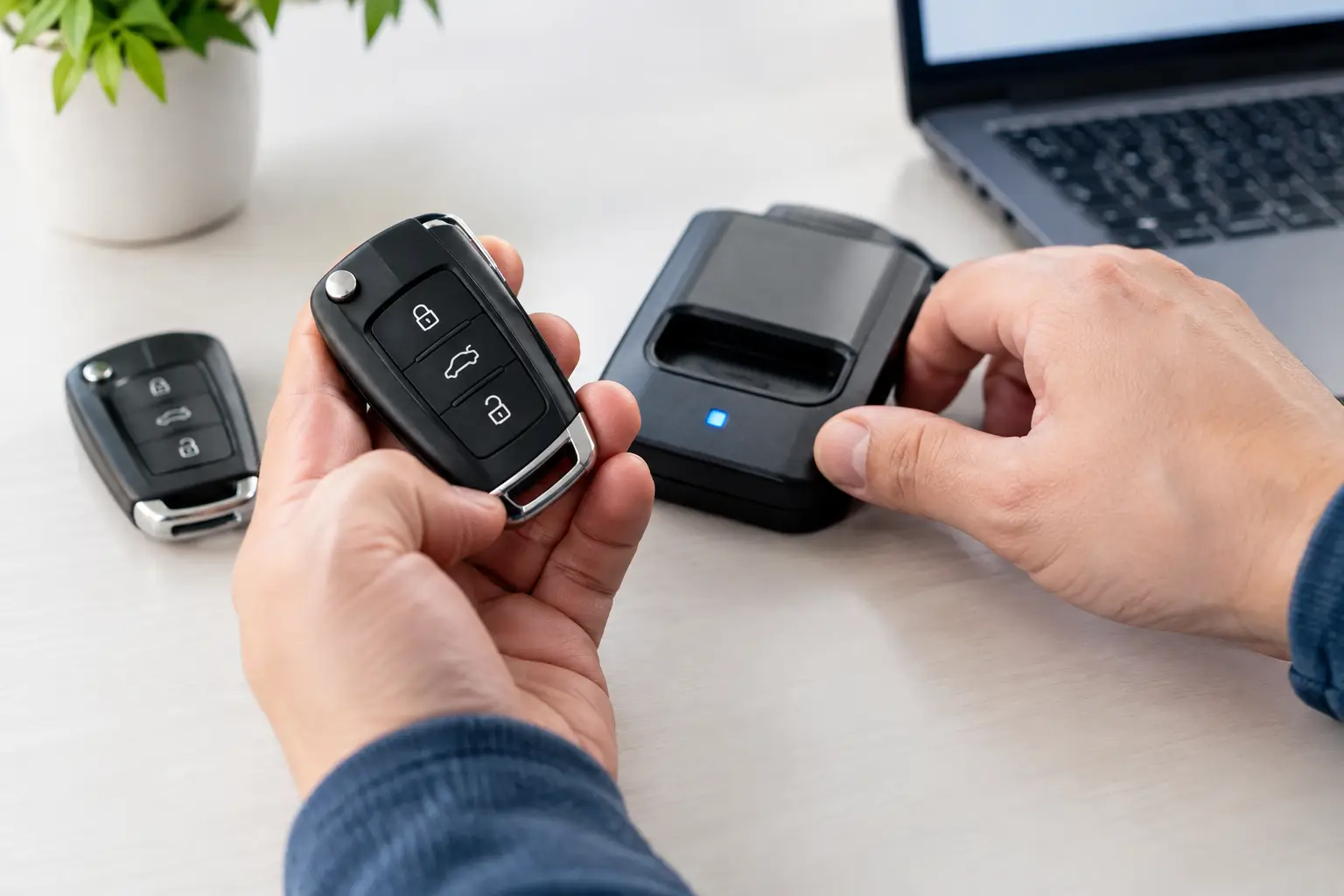
Many vehicles use a transponder chip inside the key head. The chip communicates with the vehicle's immobilizer system. A key may be cut correctly and still fail to start the engine if its chip is not programmed to the vehicle.
This is why a hardware-store copy is not always a solution. It may turn the door lock but not start the car. Proper locksmith key replacement for a transponder vehicle usually involves both cutting the key and programming it.
Remote keys and key fobs
Remote head keys combine a metal key blade with lock and unlock buttons. Key fobs may control doors, trunk access, panic functions, and remote start features. The replacement must be compatible with the vehicle, and programming may be needed for starting or remote functions.
A dead fob battery is different from a failed or missing fob. Some vehicles have a backup method for starting when the fob battery is low, but the location and procedure vary by manufacturer. Check the owner's manual if it is available, but do not force buttons, pry open the fob carelessly, or repeatedly attempt to start the vehicle if you suspect a security-system issue.
Push-button start and proximity keys
Push-button vehicles use a proximity fob rather than a conventional ignition key. These systems can be more complex because the fob must be recognized by the vehicle before it will start. Replacement availability and programming requirements depend on the make, model, and year.
This is one area where calling with accurate vehicle details matters. It helps the locksmith determine whether the needed key or fob can be supplied and programmed on location.
Replacement, Duplicate, or Repair?
A replacement is made when the original is lost, stolen, or beyond use. A duplicate is an additional key made from a working key. Repair may be possible when the issue is a loose fob shell, worn button pad, or dead battery, but it depends on whether the electronics inside are intact.
Making a duplicate while one key still works is usually the least stressful option. It gives you a backup at home, with a trusted family member, or in a secure location. Do not leave the spare loose inside the vehicle, under a floor mat, or in a magnetic box under the frame. Those common hiding spots are easy to find and can create a theft risk.
If the key blade is bent, cracked, or difficult to turn, do not keep forcing it. A broken key can leave part of the blade in the ignition or door lock, creating a second problem. Have the key evaluated before it fails completely.
What Changes When a Key Is Stolen
A lost key and a stolen key should not be treated the same way. When theft is possible, the concern is not only getting back into the vehicle. Someone else may have a key that can access or start it.
Ask about removing the missing key from the vehicle's recognized keys when the vehicle system supports it. Reprogramming can prevent the old electronic key or fob from starting the vehicle. This may not eliminate every risk, particularly if personal information, registration papers, or an address were taken with the key, so consider the full situation. Move the vehicle to a secure place when possible and report theft if circumstances call for it.
Avoid Delays While You Wait for Help
Stay with the vehicle if it is safe to do so. If you are on a busy roadway, move to a protected area away from traffic and follow normal roadside safety practices. Turn on hazard lights if the vehicle has power and it is safe to remain nearby.
Do not try to defeat the ignition, force open a lock, or use improvised tools to reach a key through a window. Those attempts can damage weather stripping, door hardware, airbags, electronic locks, or the ignition cylinder. The cost of repairing that damage can exceed the cost of calling for professional help.
If you are not at the vehicle, send clear location details: the street, nearby business, mile marker, parking-lot section, or any landmark a mobile technician can find. A pin is helpful, but a written description can make a difference in a large lot, rural area, or highway shoulder.
Key Help for Personal and Commercial Vehicles
Passenger vehicles are not the only vehicles affected by key problems. A lost ignition key, damaged fob, or lockout can put a service truck, delivery vehicle, or commercial unit out of operation. For an owner-operator or fleet manager, that can mean missed appointments, delayed freight, a driver stuck off route, and downtime that continues to cost money.
Commercial vehicle key situations can involve added layers, including fleet authorization, specialized ignition systems, multiple drivers, and scheduling pressure. Give the dispatcher the vehicle type and operating situation upfront. If the vehicle has a mechanical issue as well as an access issue, say so. A provider with roadside, automotive locksmith, and commercial truck repair capability can help direct the response toward the actual problem instead of treating every delay as a separate call.
Hopper Roadside serves that practical need by bringing mobile roadside support, locksmith assistance, and commercial truck repair into one local response option.
A missing key does not have to turn into an all-day interruption. Keep your vehicle details and proof of ownership accessible, make a spare before you need one, and call for mobile help when access or starting capability is gone. The best next step is the one that gets you safely back on the road without causing more damage.