
Louisiana Mobile Battery Service When You’re Stranded
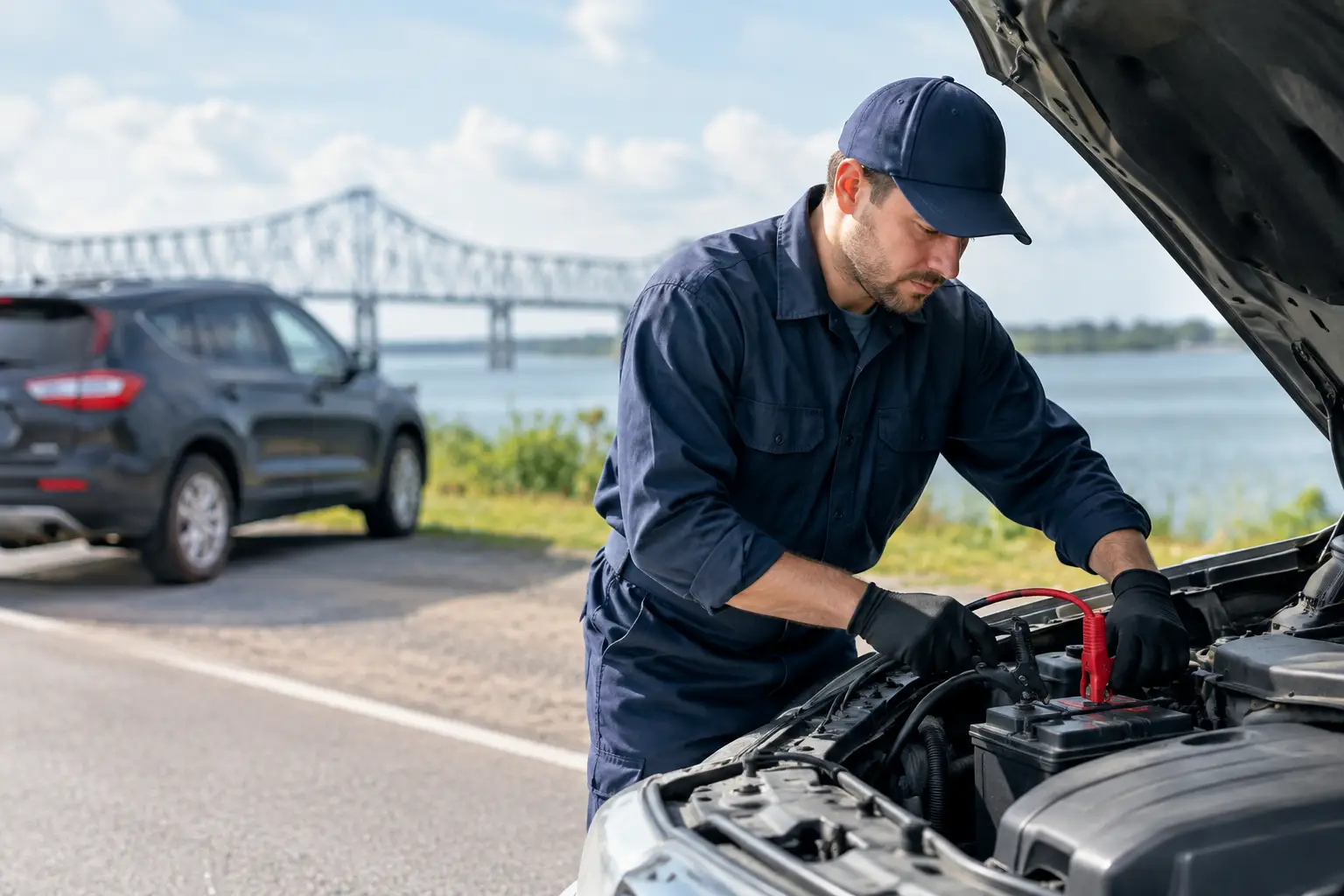
A vehicle that will not start can stop a commute, delay a delivery, or leave you stuck in a parking lot after dark. Louisiana mobile battery service gives drivers a practical way to get help at the vehicle instead of trying to arrange a tow for a problem that may be as simple as a weak battery, loose connection, or failed charging system.
The right response depends on what the vehicle is doing. A single click, dim dashboard lights, a slow crank, or no electrical power at all can point to different issues. Roadside assistance can help identify the immediate problem, safely attempt a jump-start when appropriate, and help you decide whether the vehicle can be driven or needs further repair.
When a Battery Problem Needs Mobile Help
Most battery failures do not happen at a convenient time. Heat, heavy rain, stop-and-go traffic, and short trips can all add stress to a battery and charging system. A battery that seemed fine yesterday may not have enough power to start the vehicle this morning.
A jump-start is often the fastest first step when the engine cranks slowly or the lights are weak. It is not always the answer, though. If the vehicle starts but dies again soon after, the battery may no longer hold a charge. The alternator, starter, corroded battery terminals, or a parasitic electrical draw could also be involved.
Mobile roadside help is useful because it brings an experienced response to the location where the failure happened. That matters when you are at home before work, in a shopping center lot, on the side of a Louisiana highway, or at a job site where moving the vehicle is not easy.
What a Louisiana Mobile Battery Service Can Do
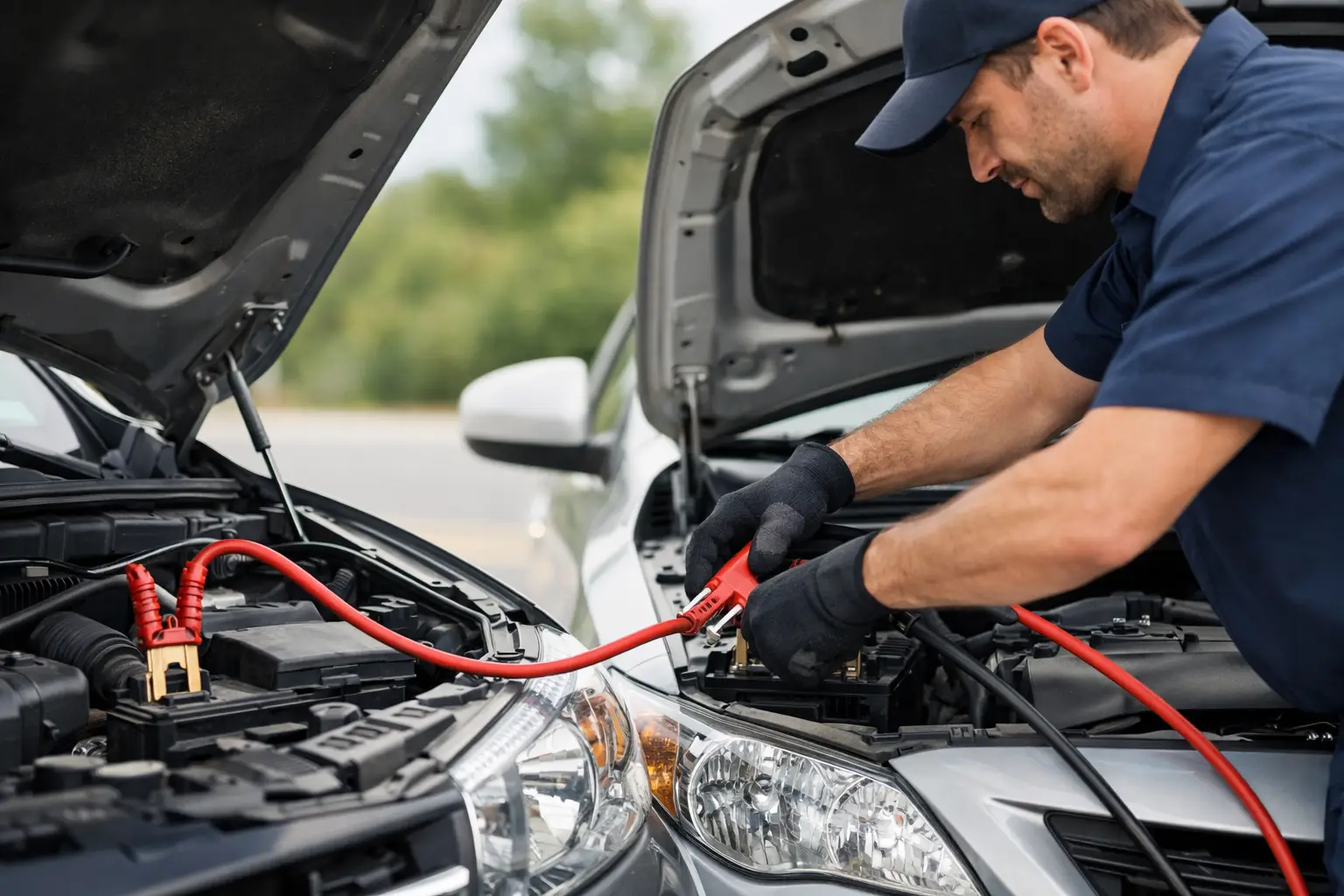
The immediate goal is to restore safe mobility without guessing at the cause. A roadside technician can assess basic symptoms, check visible battery connections, and determine whether a jump-start is a reasonable next step. If the vehicle starts, you will have better information for deciding whether to drive directly to a repair facility or arrange additional service.
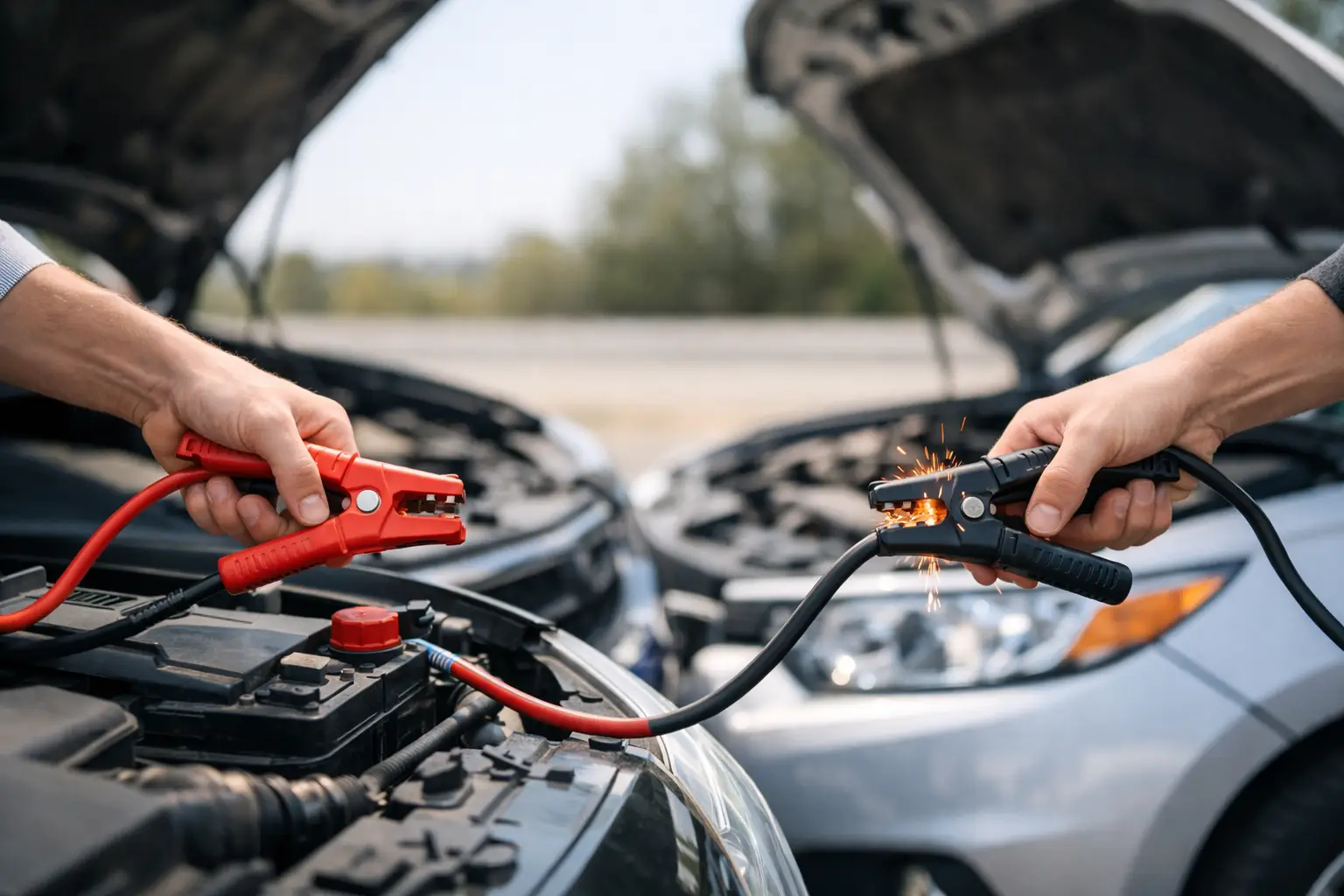
A proper jump-start also protects people and equipment. Batteries can release flammable gas, cables can spark when connected incorrectly, and damaged terminals can create a short. Trying to jump a vehicle in traffic, on a narrow shoulder, or during severe weather adds another layer of risk.
For many drivers, the value is not just getting power back. It is having someone evaluate the situation without leaving a disabled vehicle unattended. Hopper Roadside provides on-demand roadside assistance in the Hammond area for drivers dealing with urgent vehicle problems, including no-start situations that may be battery-related.
A Jump-Start Is Not a Battery Diagnosis
If your vehicle starts after a jump, that does not automatically mean the battery is good. The engine may start because it received enough temporary power from the assisting vehicle or jump pack. Once that outside power is removed, the underlying problem can return.
Pay attention to what happens next. If the battery warning light stays on, headlights dim while driving, or the vehicle stalls, avoid treating the issue as a simple dead battery. Those signs may point to a charging-system problem that needs mechanical repair.
If the vehicle starts and runs normally, drive only as far as necessary and avoid unnecessary stops until the battery and charging system can be checked. Turning the engine off at a gas station or store may leave you needing another jump.
Signs You May Have More Than a Dead Battery
Battery trouble and starter trouble can feel similar from the driver’s seat. The details matter. A rapid clicking sound often indicates insufficient battery power. One solid click with bright lights may point more toward a starter or connection issue. No response at all can be caused by a dead battery, a poor cable connection, a blown fuse, or an electronic problem.
Look for obvious warning signs, but do not take risks to inspect a vehicle near traffic. Swelling, cracking, leaking fluid, a sulfur-like odor, or heavy corrosion around the battery are reasons not to attempt a casual jump-start. A damaged battery can be hazardous and should be handled carefully.
Commercial vehicles add more variables. A truck may have multiple batteries, high electrical demand, specialized equipment, or a fault that affects starting and onboard systems. For an owner-operator or fleet manager, repeated no-start events cost more than lost time. They can disrupt routes, create missed appointments, and leave a driver exposed in an unsafe location.
Battery Failure Versus Truck Mechanical Trouble
A commercial truck that will not crank may need battery support, but it may also have a starter, cable, air-system, fuel, or engine-related problem. The best response is to describe the symptoms clearly when requesting help: whether the dash powers up, whether the engine turns over, whether warning lights appeared, and whether the issue started after sitting or during a route.
That information helps dispatch the right type of assistance. A truck with a basic power issue may be able to return to service quickly. A truck with a mechanical fault may need commercial truck repair instead of repeated jump-start attempts that do not solve the problem.
What to Do While You Wait for Battery Assistance
Your first priority is location safety. Pull off the travel lane if the vehicle can be moved safely. Turn on hazard lights, keep doors locked if you are in an unfamiliar area, and stay aware of passing traffic. On a busy roadway, standing beside the vehicle can be more dangerous than the battery problem itself.
When you call for assistance, provide the vehicle’s location, make and model, the symptoms you notice, and whether you are in a safe place. For trucks, share the unit number, vehicle type, and any load or access details that affect where a service vehicle can reach you.
Avoid repeatedly trying to start the vehicle. Several unsuccessful attempts can drain the remaining battery power and make diagnosis harder. Do not connect jumper cables if you are unsure where the battery terminals are, if the battery is damaged, or if you do not have a safe place to work.
Remove unnecessary electrical loads if the vehicle still has some power. Turn off interior lights, chargers, audio systems, and accessories. This will not repair a failing battery, but it can preserve enough power for hazard lights or a phone call while you wait.
Preventing the Next No-Start Situation
No battery lasts forever, especially in Louisiana heat. Have the battery and charging system tested when you notice slow cranking, flickering lights, or an electrical warning light. Replacing a weak battery before it fails is usually less stressful than handling a no-start in a parking lot or on a delivery route.
Keep battery terminals clean and make sure the hold-down bracket is secure. Loose connections can mimic battery failure, while corrosion can reduce the flow of power. If a vehicle sits for long periods, start and drive it regularly or use an appropriate battery maintainer when practical.
For fleets, routine checks should include battery condition, cable integrity, charging output, and the condition of battery boxes and connections. A quick inspection during scheduled maintenance can prevent a preventable roadside delay.
A dead battery may be a small problem, or it may be the first sign of a larger electrical issue. Either way, you do not need to make that call alone from the shoulder of the road. Get to a safe place, describe the symptoms clearly, and let the next step be based on what the vehicle is actually telling you.