
Why Cars Will Not Start and What to Check First
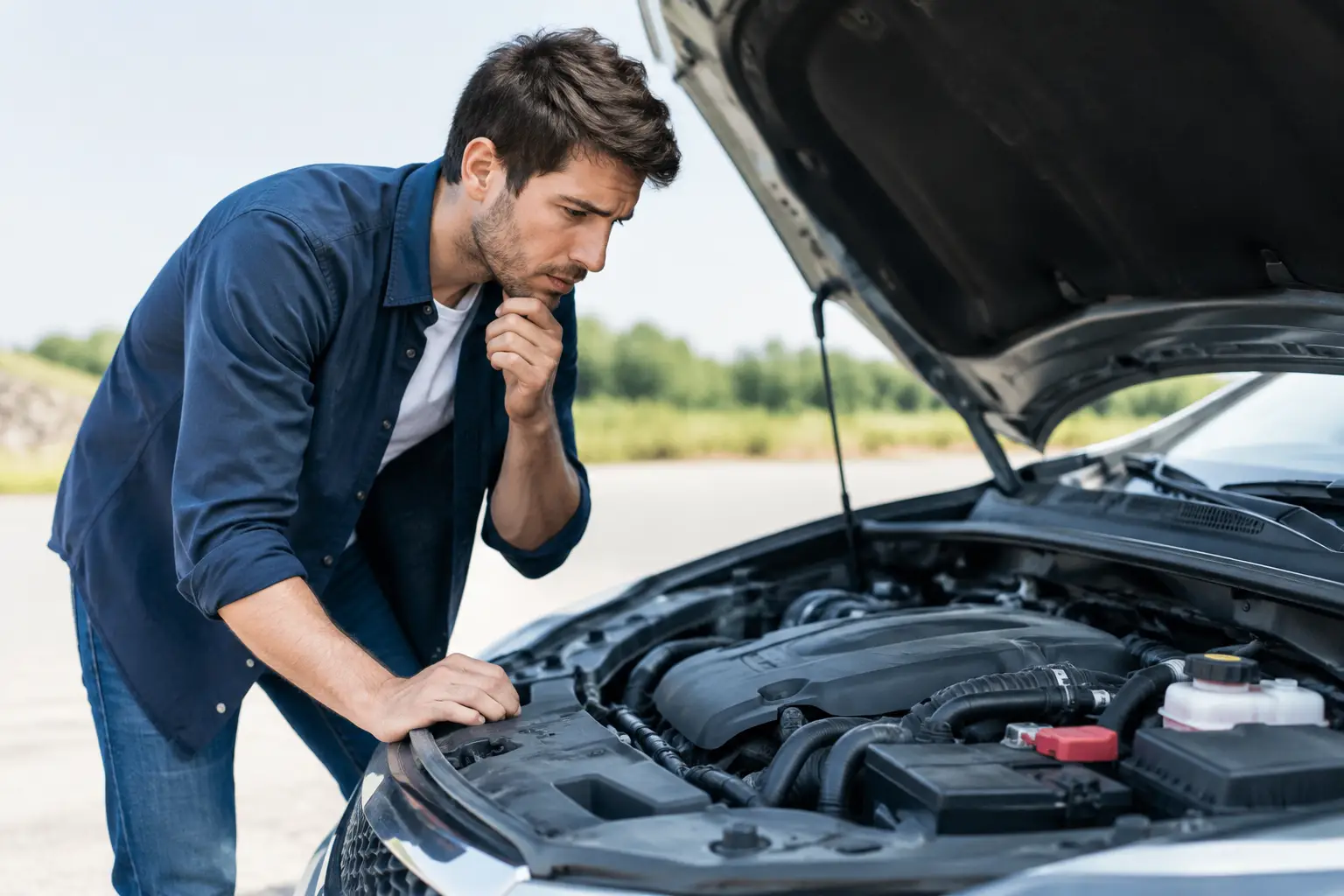
A vehicle that will not start can turn an ordinary stop into a roadside problem fast. Understanding why cars will not start helps you separate a simple issue, such as a weak battery, from a problem that needs roadside assistance, locksmith work, or mechanical repair.
The details matter. Does the engine crank but refuse to run? Does nothing happen when you turn the key or press the start button? Are the dash lights dim, or is a security light flashing? Those symptoms point in different directions. Avoid repeated start attempts, especially if you smell fuel, see smoke, or hear grinding. Repeated attempts can drain the battery further or cause more damage.
Why Cars Will Not Start: Start With the Symptoms
A no-start situation generally falls into one of two categories: the engine does not crank, or it cranks but does not fire up. Cranking is the sound of the starter turning the engine. If you hear a fast, steady turning sound but the vehicle will not run, the battery may not be the main problem. Fuel delivery, ignition, engine sensors, or an immobilizer issue may be involved.
If the engine does not crank at all, pay attention to what happens when you try to start it:
- Rapid clicking often points to a weak battery or loose battery connection.
- One solid click can indicate a starter, starter relay, or electrical connection problem.
- Silence may mean a dead battery, a damaged key or fob, a neutral safety switch issue, or an electrical fault.
- Dim or dead interior and dash lights usually suggest a battery or terminal problem.
These are clues, not final diagnoses. A modern vehicle has multiple systems that can stop it from starting, and some failures produce similar symptoms.
A Dead or Weak Battery Is Often the First Suspect
Battery trouble is one of the most common reasons a car will not start. Batteries lose power with age, extreme temperatures, short trips, corrosion at the terminals, and lights or accessories left on. In Louisiana heat, batteries can fail sooner than drivers expect because high temperatures shorten battery life over time.
A weak battery may still power the radio, interior lights, or dashboard. That does not mean it has enough power to operate the starter. Starting an engine requires a much larger burst of electrical current.
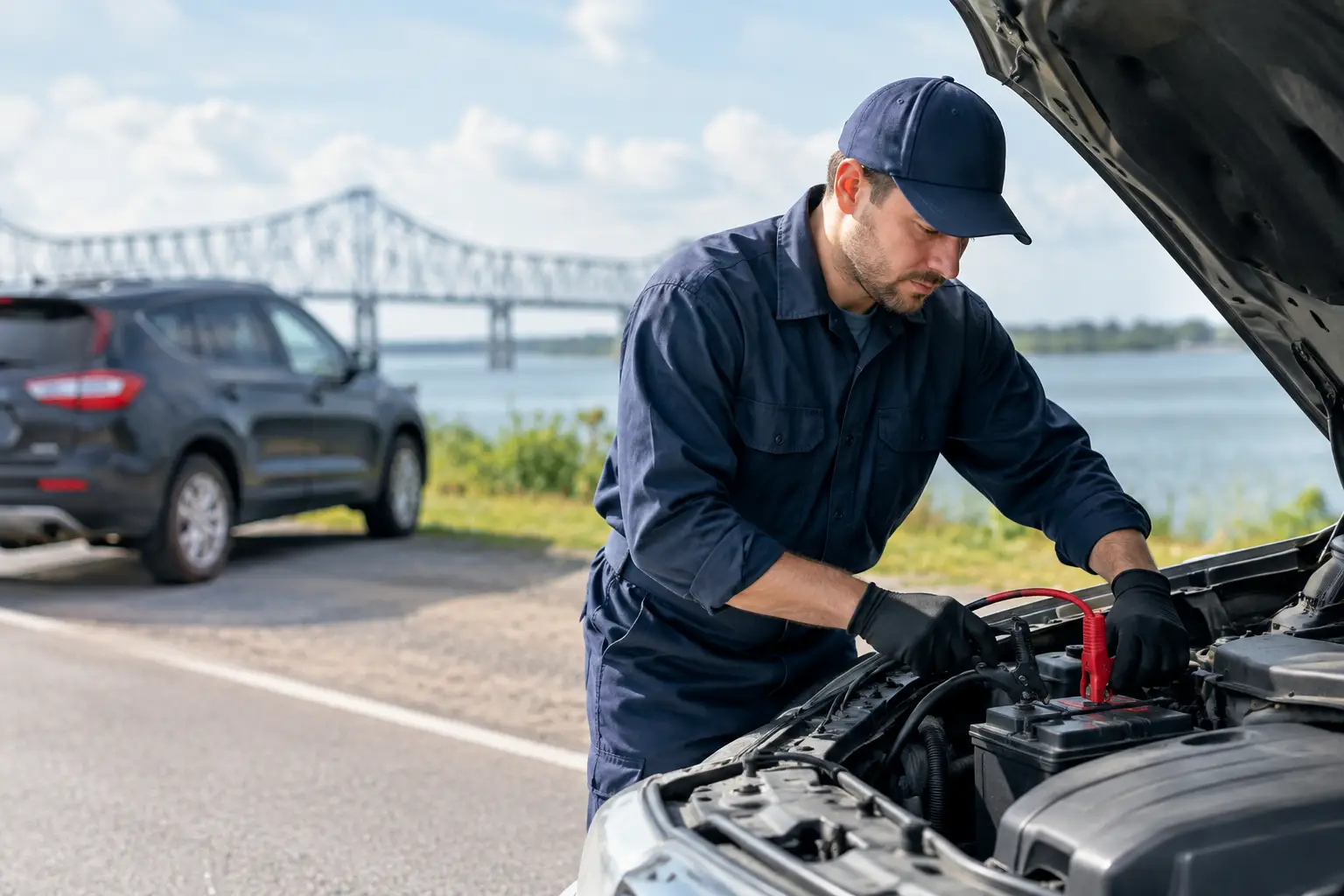
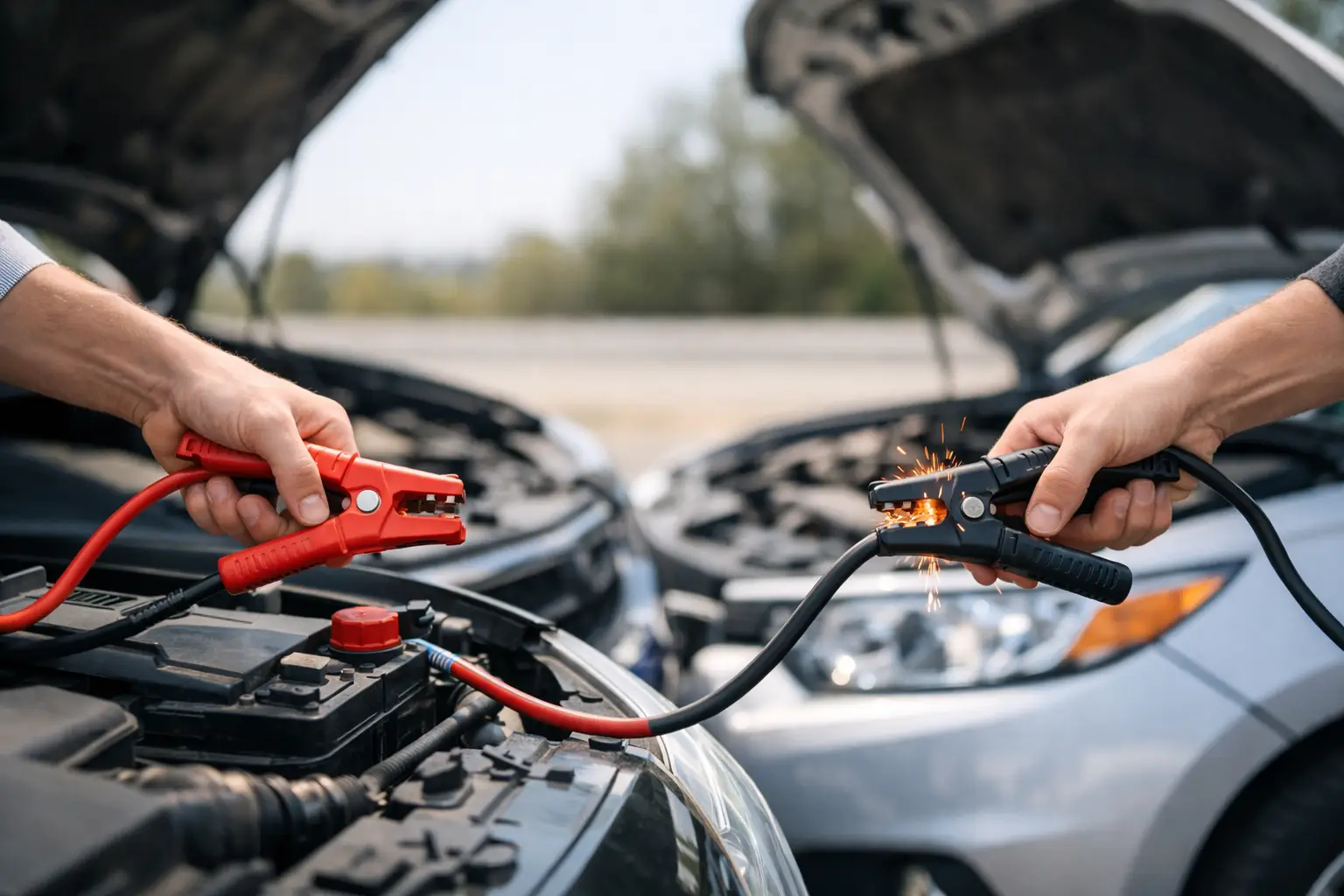
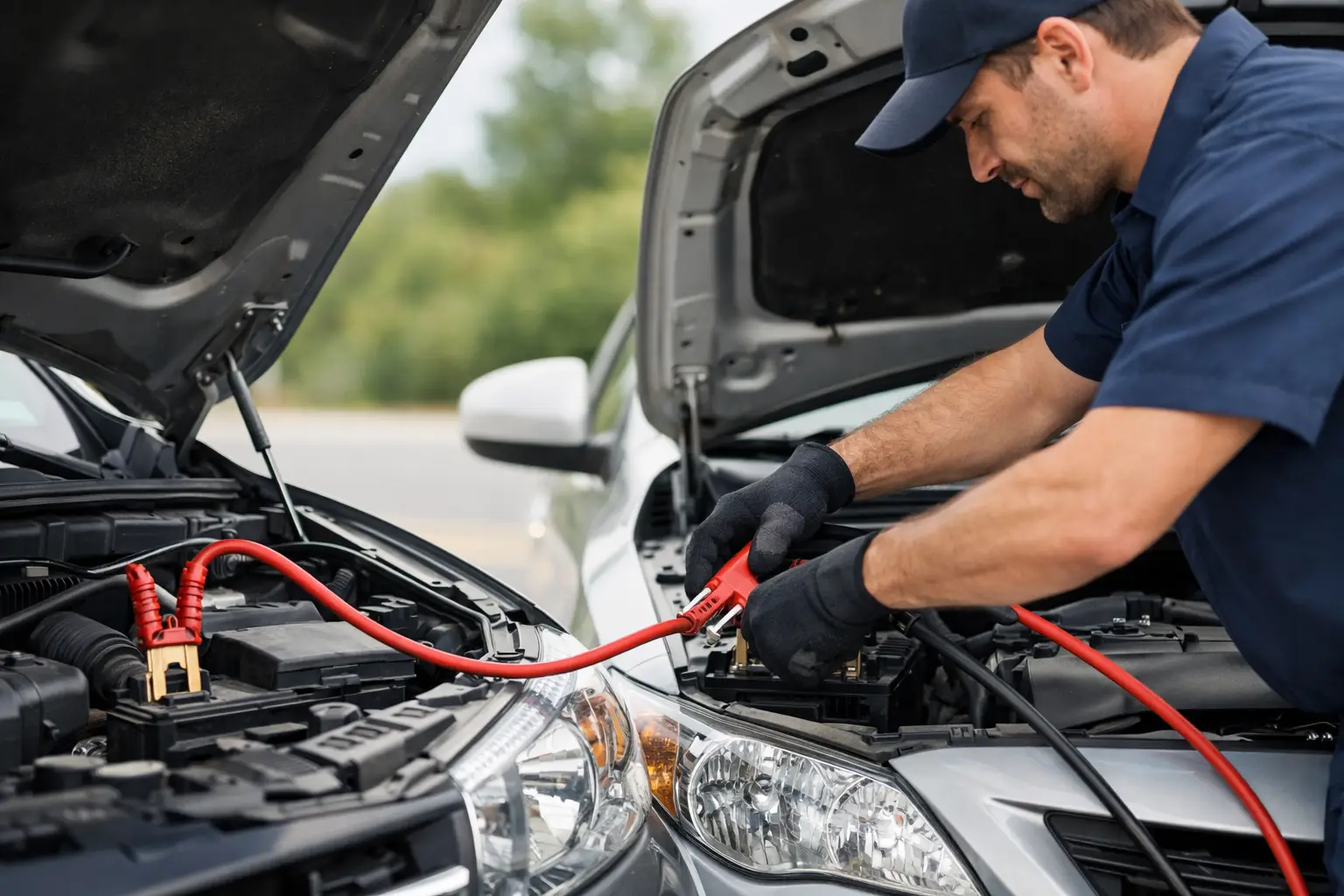
Check for loose battery cables, visible corrosion, or a battery case that looks swollen or damaged. Do not touch a leaking battery, and do not try to jump-start a battery that is cracked, heavily swollen, or frozen. If the battery simply needs a jump, proper cable connection and a safe jump-start can get the vehicle moving. But if it dies again soon after, the battery, alternator, or charging system needs attention.
Battery Connections and Charging Problems
Sometimes the battery itself is fine, but the connection is not. Corroded or loose terminals can prevent current from reaching the starter. A vehicle may start intermittently, lose power while driving, or click when you attempt to restart it.
The alternator also matters. It recharges the battery while the engine runs. If the alternator is failing, a jump-start may get the car running temporarily, but the battery can drain again once you are on the road. A battery warning light that came on before the no-start is a strong reason to suspect the charging system.
Do not assume a jump-start solves the underlying problem. It only supplies temporary power. If the vehicle stalls after a jump or the warning lights return, arrange for proper diagnosis rather than risking another breakdown.
Starter and Ignition Problems Can Stop the Engine From Cranking
The starter motor turns the engine when you start the vehicle. A failing starter may make one click, grind, or work only occasionally. In some cases, the lights stay bright but the engine does not turn. That is different from the low-power behavior associated with a dead battery.
Ignition switch issues can create similar symptoms. The vehicle may have power in accessory mode but fail to send the start signal. On push-button vehicles, a faulty brake switch, start button, key fob battery, or electronic control problem can also prevent starting.
For vehicles with automatic transmissions, make sure the shifter is fully in Park. If that does not work, hold the brake and try starting in Neutral. A worn neutral safety switch may not recognize Park correctly. Never attempt this while the vehicle is positioned where it could roll, and keep your foot firmly on the brake.
Fuel, Air, and Engine Issues When the Car Cranks
If the engine cranks normally but will not run, it may not be receiving fuel or ignition spark. An empty fuel tank is more common than it sounds, especially when a fuel gauge is inaccurate. Before assuming a serious failure, confirm there is actually fuel in the tank.
A failed fuel pump, clogged fuel filter, blown fuel-pump fuse, bad ignition coil, or malfunctioning sensor can all cause a crank-no-start condition. In many cases, a check engine light appeared before the vehicle stopped starting. Flooding is less common with modern fuel-injected cars, but repeated attempts can still make a problem worse.
If you smell strong gasoline, see a fluid leak, or suspect a fuel-system issue, stop trying to start the vehicle. Move away from traffic if you can do so safely and keep open flames, cigarettes, and sparks away from the vehicle.
Keys, Fobs, and Anti-Theft Systems
A vehicle may have a healthy battery and a working starter but still refuse to start because it does not recognize the key. Most newer vehicles use a chip key, transponder, or smart fob that communicates with the anti-theft system. A damaged key, weak fob battery, or programming problem can prevent the engine from starting.
Look for a flashing key, lock, or security symbol on the dashboard. If you have a spare programmed key or fob, try it. For a push-button vehicle, hold the fob close to the start button or use the backup start procedure listed in the owner's manual. Many vehicles are designed to detect a low-fob signal at close range.
Do not force a key into the ignition or repeatedly turn it if it is sticking. A broken key or damaged ignition cylinder can create a larger locksmith problem. Automotive locksmith support is often the right next step when the key will not turn, a fob is not recognized, or you are locked out while dealing with a no-start issue.
Commercial Trucks Need a Different Response
For commercial trucks, no-start problems can involve batteries, starter circuits, fuel delivery, air-system concerns, aftertreatment issues, wiring, or engine-control faults. The immediate priority is still safety, but the cost of downtime can grow quickly when a load, appointment, or driver schedule is affected.
Truck operators should note any warning messages, recent loss of power, unusual sounds, and whether the engine cranks. That information helps a repair provider narrow down the issue. Avoid bypassing safety systems or attempting repairs on a roadside shoulder without the right tools, training, and safe working space.
A truck that will not start may need mobile commercial repair rather than a basic jump. The right response depends on the truck's symptoms, location, and whether it can be safely moved.
What to Do While You Wait for Help
First, get out of traffic if the vehicle is still movable. Turn on hazard lights, use cones or reflective triangles if you have them, and stay aware of passing traffic. On a busy road, standing beside the vehicle can be more dangerous than the mechanical problem itself.
Have the vehicle's location, make, model, and symptoms ready. Mention whether it is a passenger car or commercial truck, whether the engine cranks, whether you need a jump-start or locksmith help, and whether you are blocking traffic. Clear information helps dispatch send the appropriate service.
For drivers in and around Hammond, Hopper Roadside can respond to roadside battery trouble, vehicle-access issues, and commercial truck repair needs. The goal is not to guess at every possible failure from the shoulder of the road. It is to get the right help to the vehicle and make a safe decision about the next repair.
A no-start is frustrating, but the symptoms usually tell a useful story. Notice what the vehicle does, protect your safety first, and avoid turning a manageable problem into a damaged starter, drained battery, or unsafe roadside situation.