
Semi Truck Repair Hammond LA When Downtime Hits
A truck stopped on the shoulder is more than a mechanical problem. It can put a driver at risk, delay a load, disrupt a route, and create pressure on everyone waiting for that shipment. When you need semi truck repair Hammond LA, the immediate goal is simple: get the truck to a safe condition, identify the failure, and determine the fastest practical path back to service.
For owner-operators and fleet teams, that means avoiding guesswork. A warning light, air loss, no-start condition, overheating issue, or brake concern can have several causes. The right response depends on the truck's location, the symptom, the load, and whether it is safe to move.
What to Do When a Semi Breaks Down
Start with safety before troubleshooting. Move the truck as far from active traffic as conditions allow, set the brakes, turn on hazard lights, and use warning devices as required. If the truck is in an unsafe location, has a brake issue, is leaking fuel, or cannot maintain air pressure, do not attempt to limp it to the next exit.
Once the truck is secure, gather the details a repair provider will need. Note the truck's exact location, direction of travel, nearest exit or landmark, unit number, engine make, and visible symptoms. A clear description such as "engine cranks but will not start," "air pressure will not build," or "coolant temperature is climbing" gives the technician a better starting point than simply reporting a breakdown.
If you have dash warnings or fault codes, record them. They do not always identify the failed part, but they help narrow the diagnostic process. Also mention whether the truck is loaded, carrying temperature-sensitive freight, or parked in a place with limited access. Those details affect both repair planning and how quickly the vehicle can be safely handled.
Common Semi Truck Problems That Need Fast Attention
Commercial trucks work under heavy loads, long run times, vibration, heat, and changing road conditions. Some failures are straightforward. Others look minor at first but can turn into a roadside shutdown if they are ignored.
No-Start and Electrical Problems
A no-start complaint may come from weak batteries, loose or corroded connections, starter trouble, alternator failure, damaged wiring, or an issue within the starting and charging system. A technician needs to test the system instead of replacing parts based on assumptions. A battery that appears dead may be the result of a charging failure, while repeated jump-starts can leave a driver stranded again a few miles down the road.
Electrical trouble can also affect lighting, sensors, gauges, trailer connections, and warning systems. Because modern trucks rely on electronic controls, proper diagnostics matter. Clearing a code without addressing the cause may only delay the next breakdown.
Air, Brake, and Suspension Concerns
Air pressure problems need immediate attention. A leaking line, damaged fitting, failing compressor, or air system issue can prevent a truck from releasing brakes or operating safely. If air pressure drops while driving, the truck should be brought to a safe stop as soon as possible.
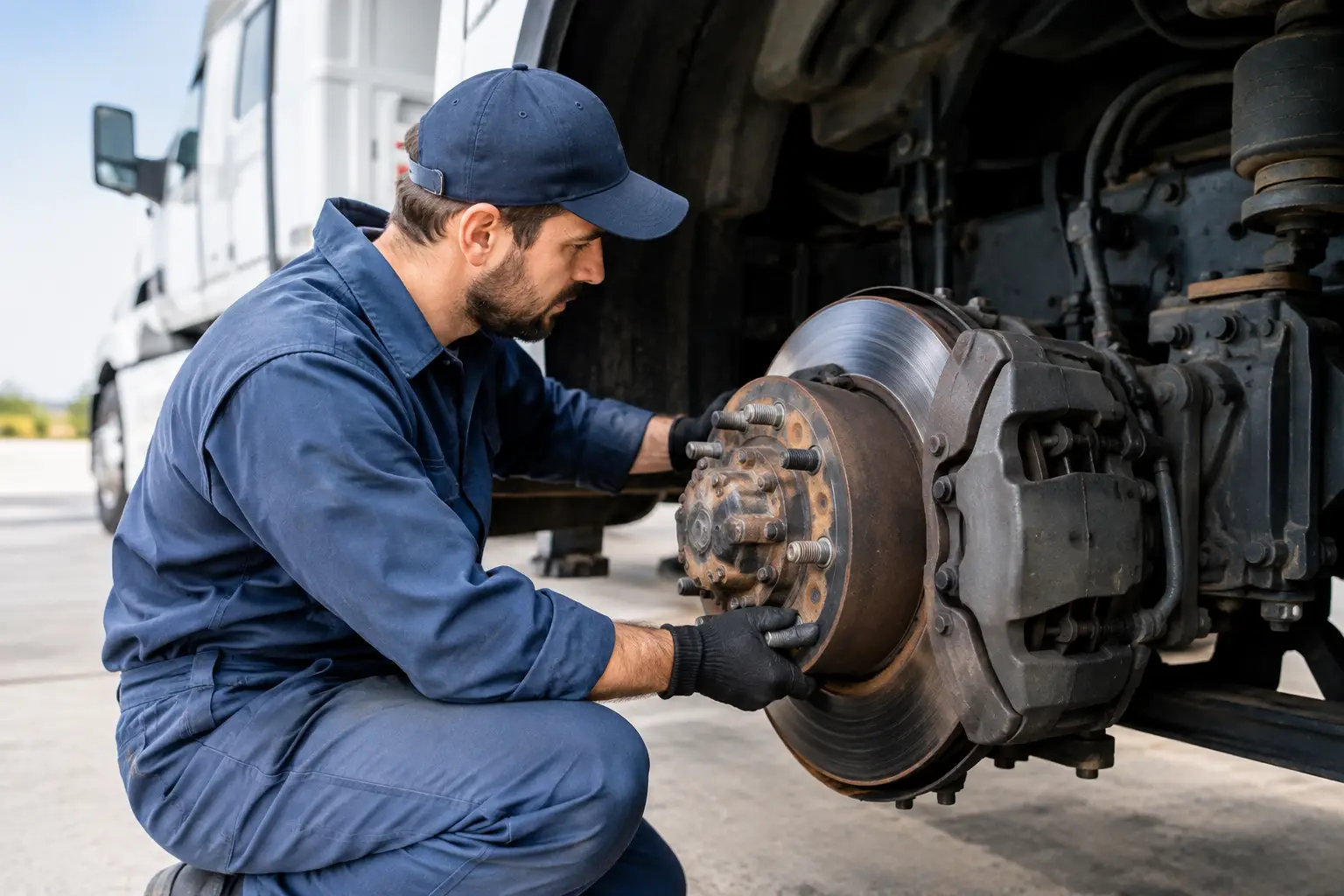
Brake issues are not a place to cut corners. Changes in pedal feel, brake warnings, pulling, grinding, overheating, or visible air leaks all require inspection. The same applies to suspension concerns such as a visibly low air bag, abnormal ride height, or a truck that is handling differently than usual. The repair decision should be based on safety, not just whether the truck can still roll.
Cooling System and Overheating Issues
An overheating engine can result from low coolant, a leaking hose, radiator damage, fan or belt failure, thermostat trouble, or other cooling system problems. Continuing to operate an overheating truck can lead to severe engine damage and a far more expensive repair.
If the temperature climbs beyond normal range, reduce load if possible, pull over safely, and shut down according to the truck manufacturer's guidance. Never remove a radiator cap from a hot engine. A mobile repair assessment can help determine whether the issue is a repairable roadside problem or whether the truck needs further shop service.
Fuel Delivery, Engine Performance, and Exhaust Problems
Loss of power, hard starting, unusual smoke, fuel leaks, derate conditions, and exhaust-system warnings can all interrupt a run. The cause may involve filters, fuel delivery, sensors, air intake components, wiring, or emissions-related equipment. The symptom alone does not provide a complete diagnosis.
A qualified repair approach starts with inspection and testing. This is especially important when a truck enters a reduced-power mode. Trying to force the truck through a derate can cause more damage, increase fuel use, and make a manageable repair more complicated.
Mobile Semi Truck Repair in Hammond LA: When It Makes Sense
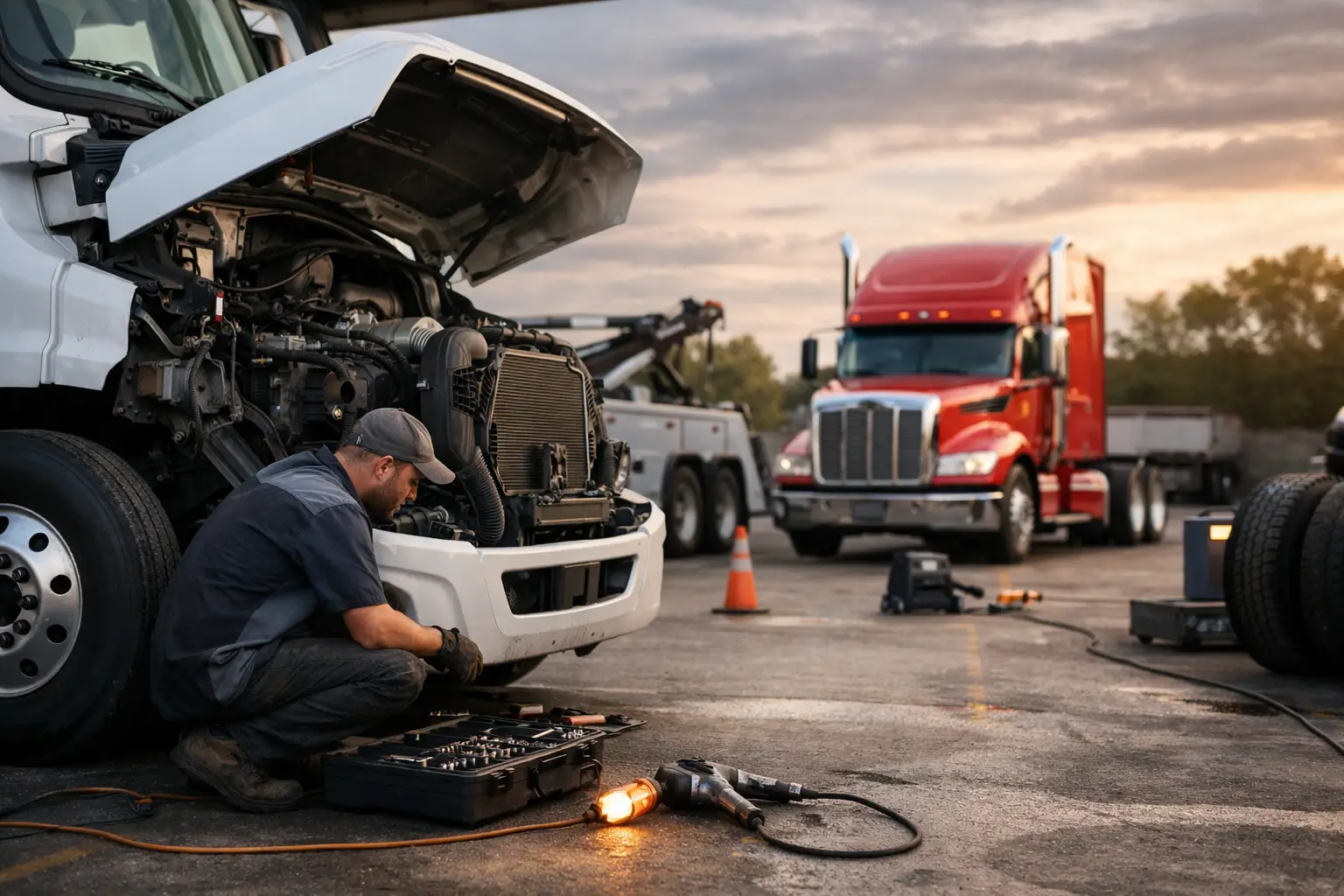
Mobile truck repair is often the best option when the truck is safely parked and the issue can be diagnosed and corrected on site. It can save the time involved in arranging a tow, moving a loaded unit, or waiting for a shop opening. For common mechanical, electrical, air-system, and starting concerns, an on-location assessment may get the driver moving without an unnecessary transfer.
It depends on the failure. Major engine damage, extensive collision damage, certain internal transmission issues, or repairs requiring specialized shop equipment may call for a different plan. A good service provider should be direct about that distinction. The point is not to promise every repair at the roadside. It is to identify what can be safely repaired where the truck sits and what requires the next level of service.
Hopper Roadside provides local support for commercial truck problems alongside roadside and automotive locksmith needs, giving drivers and dispatchers one practical point of contact during an urgent vehicle interruption.
Give the Repair Technician Useful Information Up Front
Accurate information helps reduce delays. Before requesting service, have the truck's year, make, model, engine information, and unit number ready if available. Explain what happened immediately before the failure. Did the engine lose power under load? Did the air gauge stop climbing after a stop? Did the truck fail to restart after fueling?
It also helps to describe what has already been checked or attempted. For example, tell the technician if batteries were jumped, fuses were inspected, coolant was added, or an air leak was heard near a particular axle. This prevents repeated steps and helps the technician arrive prepared for the likely issue.
For location, provide more than a city name. Share the highway, travel direction, mile marker, exit, nearby business, parking-lot section, or other visible marker. In and around Hammond, accurate location details can make a meaningful difference when a driver is on a frontage road, truck stop, industrial property, or highway shoulder.
Reducing Future Truck Downtime
Not every roadside failure can be prevented, but routine inspection catches many small issues before they become service interruptions. Drivers should take pre-trip and post-trip checks seriously, especially when examining tires, lights, fluid levels, belts, hoses, air lines, battery connections, and obvious leaks.
Fleet managers can reduce avoidable downtime by tracking recurring faults instead of treating every repair as an isolated event. If the same truck repeatedly has battery issues, air leaks, overheating warnings, or aftertreatment alerts, the pattern needs to be investigated. Repeated temporary fixes often cost more than correcting the underlying cause.
Keep essential truck details accessible to drivers and dispatch. Equipment records, service history, preferred repair contacts, trailer information, and cargo requirements are valuable when a breakdown happens after hours or on a tight delivery schedule. The driver should not have to search through messages to find basic unit information while parked on the side of the road.
Know When to Stop and Call for Help
Some symptoms require an immediate stop: loss of air pressure, brake trouble, fuel leaks, severe overheating, smoke, fire risk, steering concerns, or a truck that cannot maintain safe operation. Pushing through these problems can endanger the driver and others on the road.
A fast, accurate repair response starts with a safe location and a clear description of the issue. When the truck is down, focus on protecting the driver, protecting the load, and getting the right diagnosis before the delay grows into a larger problem.