
How to Unlock a Car Without Damage Safely
A lockout can turn a normal stop into a problem fast. Maybe your keys are on the seat, the fob battery has died, or the door closed while the engine was running. When you need to unlock car without damage, the priority is not forcing the door open. It is protecting the vehicle, getting back inside safely, and avoiding a repair bill that costs more than the lockout itself.
Modern vehicle doors are not built for improvised entry. Window seals, weatherstripping, side airbags, electronic locks, and anti-theft systems all sit close to the areas people often try to pry or manipulate. A rushed attempt with a coat hanger, screwdriver, wedge, or wire can bend a frame, scratch paint, tear seals, break a lock linkage, or create an electrical issue.
The safest answer is usually a trained automotive locksmith or roadside provider with the right access tools for the vehicle. Before help arrives, there are a few practical checks that may solve the problem without putting the car at risk.
First, Rule Out the Simple Solutions
Take a breath and check every door, the trunk or liftgate, and any rear access point. On some vehicles, one door may not have locked completely even when the others did. If you have a key fob, try it from different positions around the vehicle and check whether the fob battery is weak.
If your vehicle has a manufacturer app, connected-services account, or remote access feature, use the official app to check the lock status. This can be a good option when cellular service is available and the account has already been set up. It is not reliable in every situation, especially with an expired subscription, an unpaired app, a dead vehicle battery, or poor signal.
A spare key is another straightforward solution, but only if getting it does not create a bigger safety problem. Calling someone to bring the spare may make sense when you are parked safely near home or work. It may not make sense if you are stranded beside a busy Louisiana highway, in extreme heat, or in an unfamiliar area after dark.
If a child, vulnerable adult, or pet is inside the vehicle and conditions are unsafe, call 911 immediately. Heat builds quickly inside a parked car. Emergency responders can direct the response based on the immediate danger.
Why DIY Entry Often Causes Damage
The internet is full of quick lockout tricks. Most are based on older vehicles with simpler mechanical locks, and even then, they can go wrong. What looks easy in a short video may damage your door before it reaches the lock.
Forcing a gap at the top of a door is a common example. Even a small bend can affect how the door closes, create wind noise, let rain enter the cabin, or leave a permanent gap in the weather seal. Prying near a window can crack glass or scratch the painted frame. Sliding a tool inside the door may snag wiring, interfere with the lock rod, or damage a side-impact airbag component.
Trying to manipulate the lock cylinder can be just as costly. A damaged cylinder may leave you unable to secure the vehicle later, and replacing it can involve rekeying or programming work. On vehicles with electronic security systems, repeated incorrect attempts may also trigger an alarm or leave you dealing with a separate key-recognition problem.
Breaking a window is not a routine lockout solution. Glass replacement, cleanup, weather exposure, and the risk of injury make it a last-resort emergency decision for first responders when life safety is at stake.
How Professionals Unlock a Car Without Damage
A qualified automotive locksmith starts by confirming that you have authorization to access the vehicle. That protects the owner, the technician, and everyone nearby. From there, the method depends on the make, model, year, lock design, and condition of the vehicle.
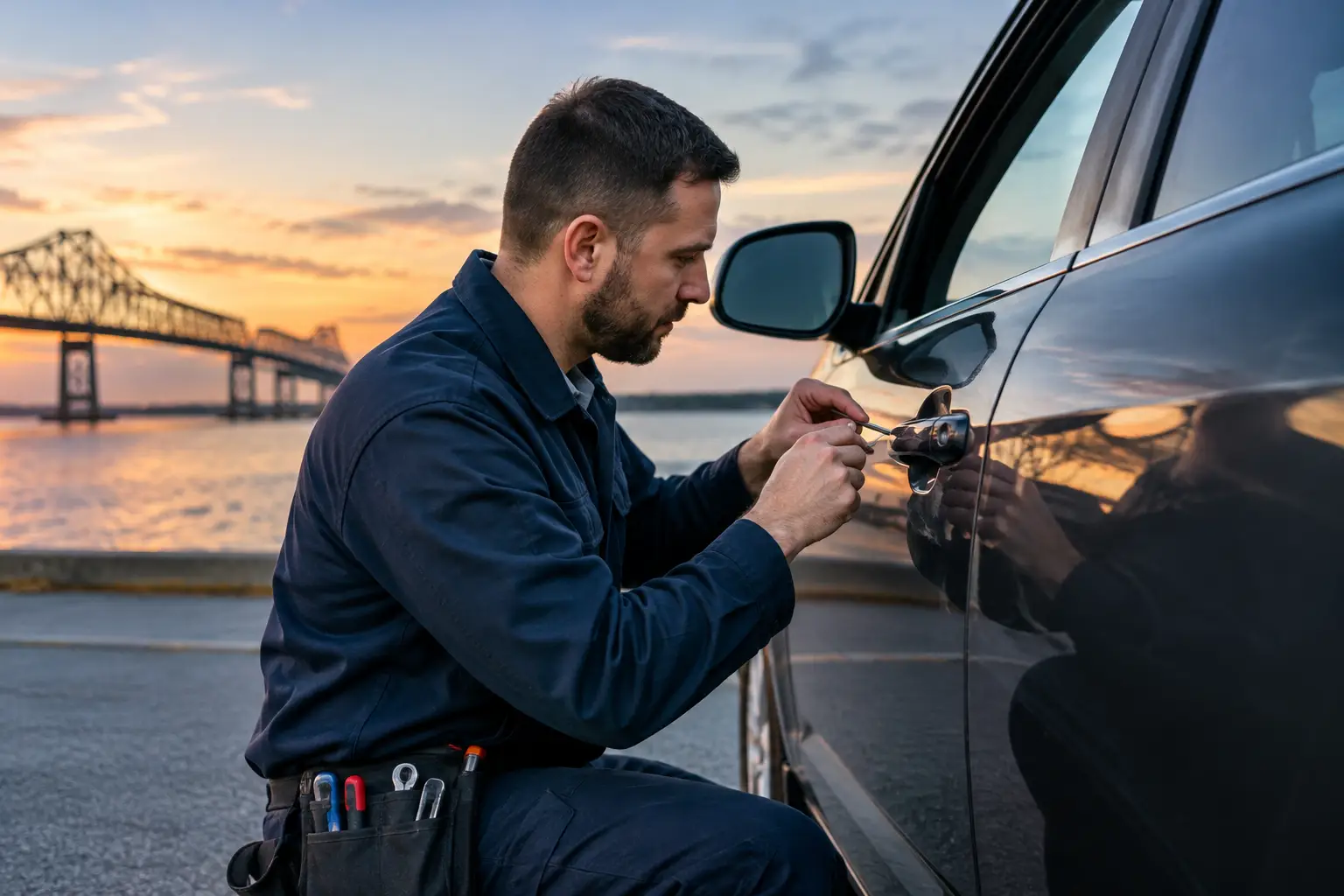
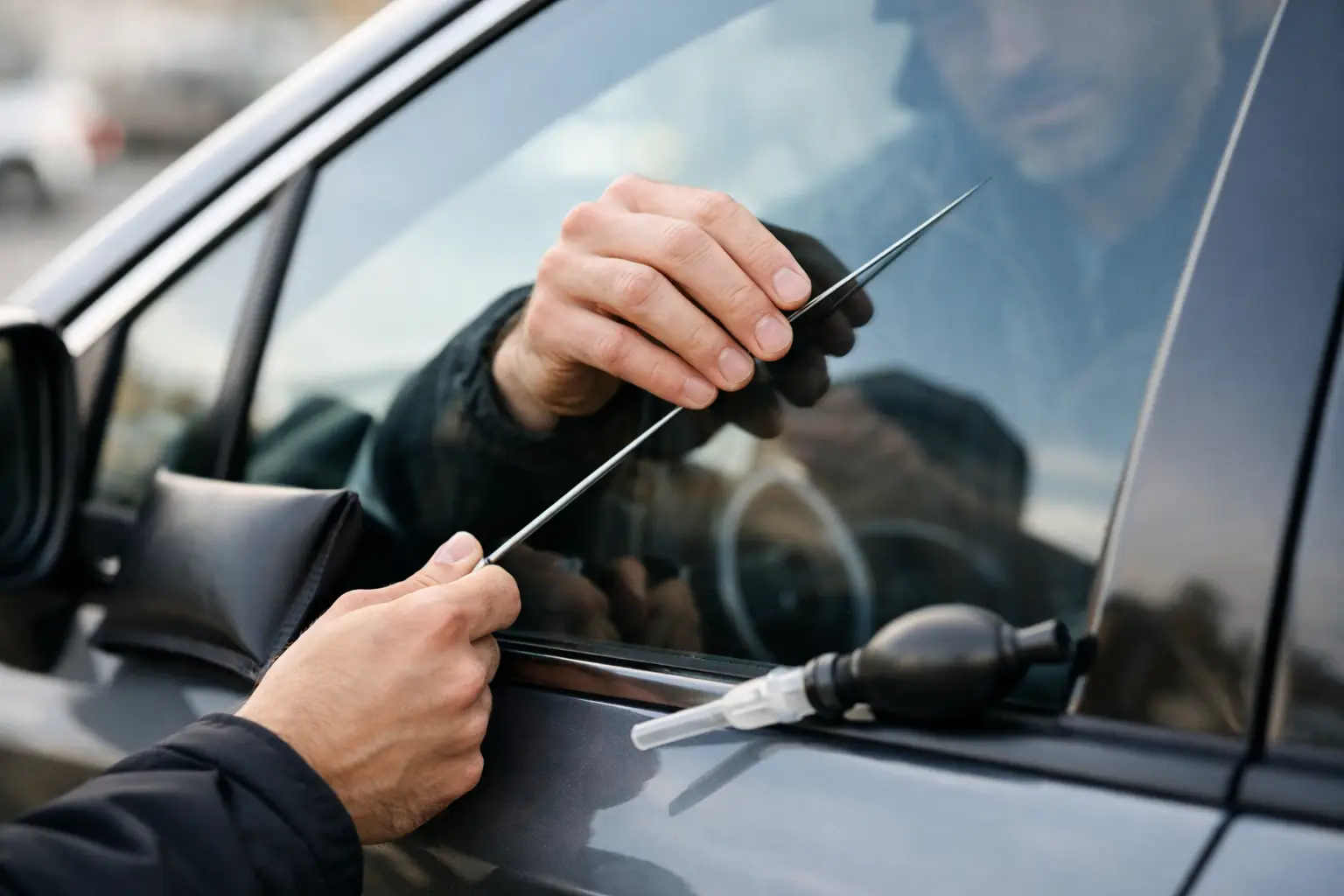
For some cars, a technician may use controlled access tools designed to reach the interior lock or handle without bending the frame. The door is protected while a minimal opening is created, and the tool is used carefully to avoid cables, trim, and electronic components. This is not the same as jamming household items into the door.
Other vehicles may require a different approach. Some locks can be opened through the exterior lock cylinder, while certain models need a key created, a fob programmed, or a diagnostic process when the issue is related to the immobilizer system. If the battery is dead, the problem may be access to the hood or trunk before the vehicle can be powered correctly.
The right method is vehicle-specific. That is why a professional will often ask for the year, make, model, location, and a brief description of what happened before dispatching. Those details help bring the appropriate equipment rather than treating every locked vehicle the same.
What to Do While You Wait for Help
Move to a safe location if you can do so without leaving the vehicle exposed or creating a traffic hazard. If you are on a shoulder, stay well away from moving traffic and be cautious when standing near the driver-side door. At night, use hazard lights if the vehicle has power and conditions call for it.
Keep your phone charged if possible. Share your exact location, nearby landmarks, vehicle color, and license plate information with the service provider. If you are in a parking lot, identifying the store entrance, row number, or cross street can save time.
Have proof of ownership or authorization ready. A driver's license, registration, insurance card, rental agreement, or fleet documentation may be needed. This is especially useful when the documents are inside the car, because the provider can verify details after gaining access.
Avoid trying several improvised methods while waiting. A vehicle that begins as a simple lockout can become a damaged-door repair if the frame, lock, or window gets affected. Let the technician assess it in its original condition.
Lockouts Involving Key Fobs and Smart Keys
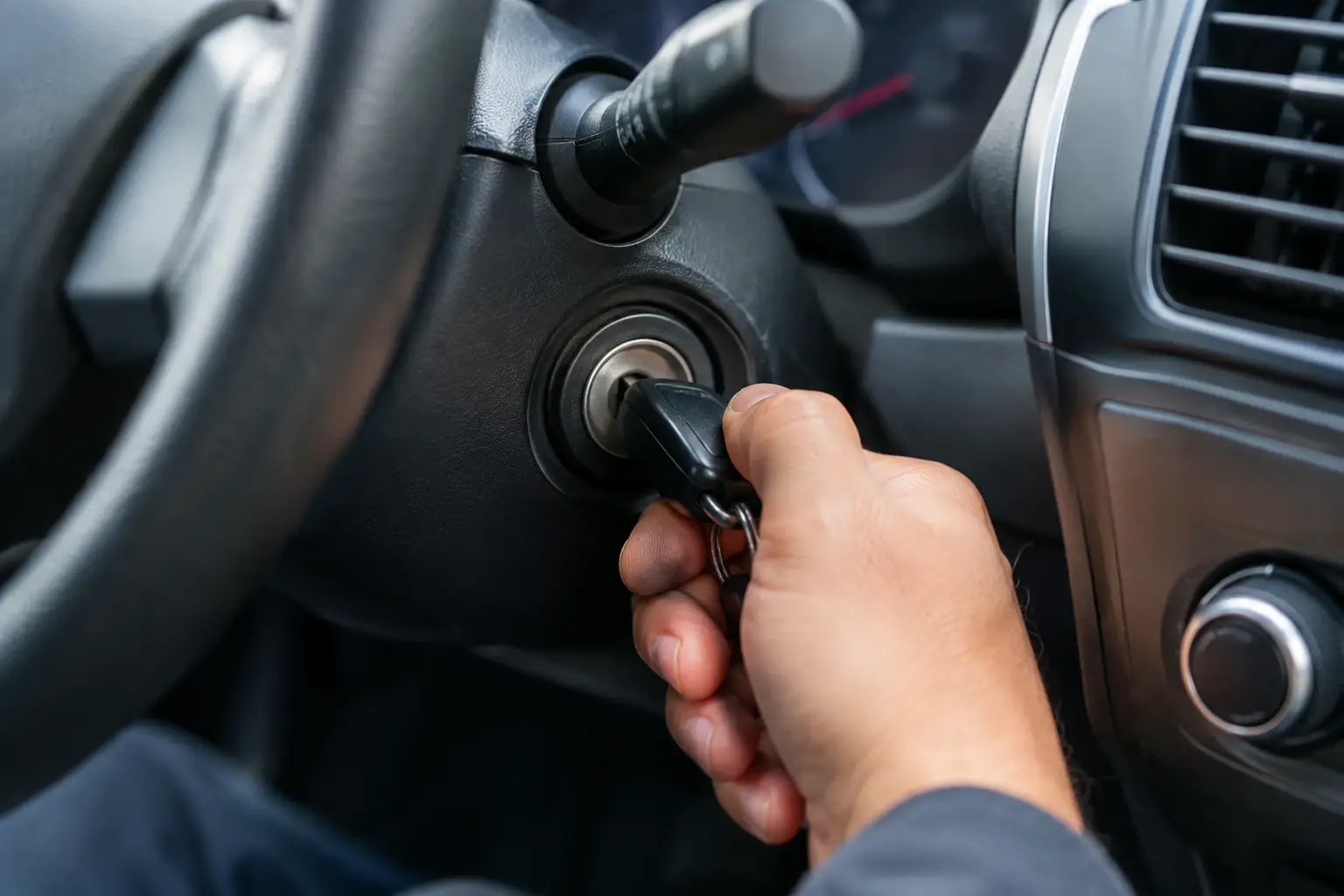
A smart-key lockout is not always caused by leaving the fob inside. The fob battery may be weak, the vehicle battery may be drained, or the key may have been damaged by water or impact. Sometimes the mechanical emergency key inside the fob is the answer, but only if you know where the concealed key slot is and the cylinder is functioning.
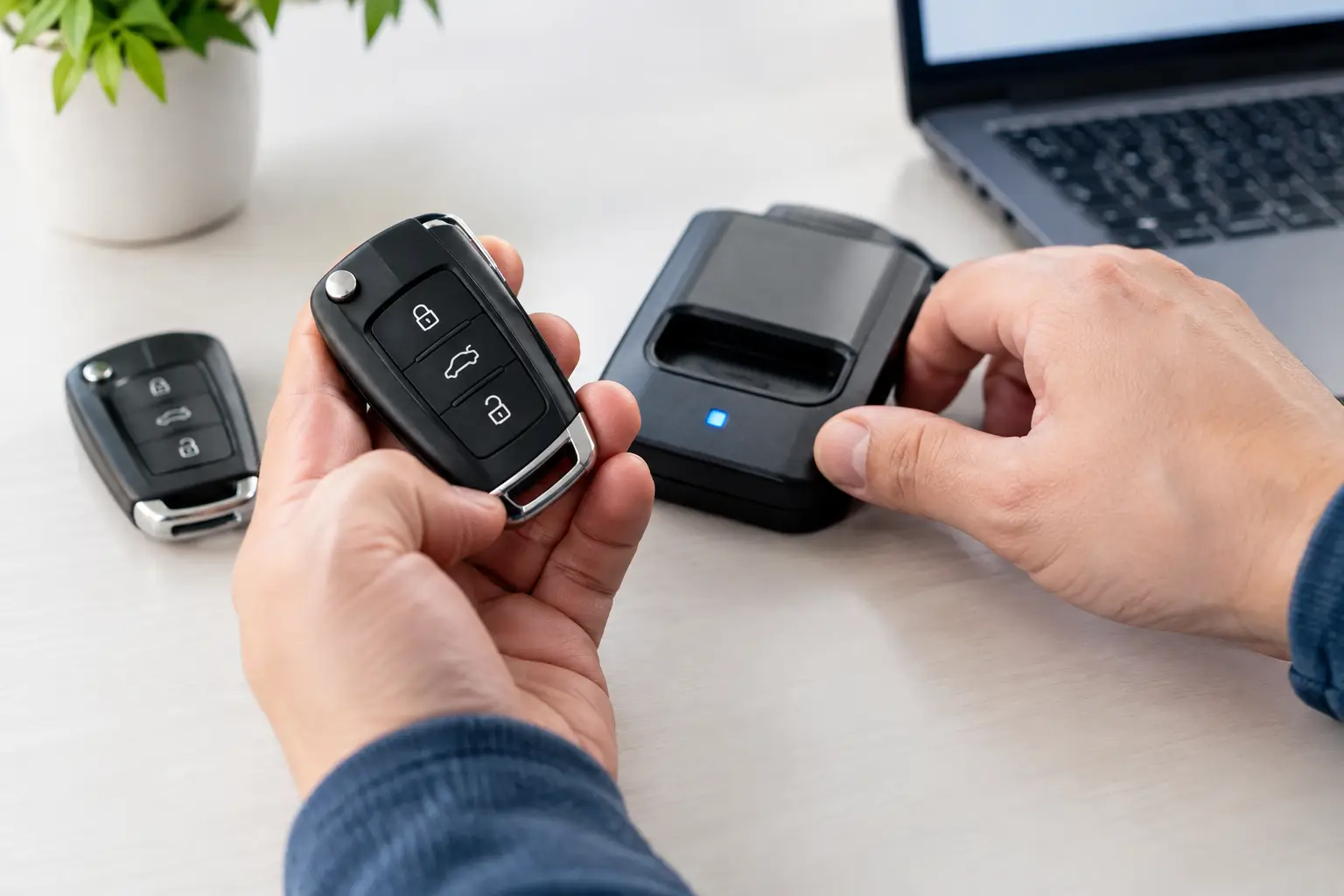
Do not assume a new fob will work immediately. Many vehicles require key programming, and some need security information that only a properly equipped locksmith, dealer, or authorized provider can access. A replacement key may also need cutting for the door and ignition, depending on the vehicle.
If the car starts inconsistently, shows a key warning message, or will not recognize the fob after entry, tell the technician. The lockout may be only one part of the issue.
Commercial Trucks Need a Different Response
For commercial drivers and fleet operators, a cab lockout can affect delivery windows, hours-of-service planning, security, and driver safety. The wrong entry attempt can damage a truck door, air system controls, wiring, or weather seals, leaving equipment out of service longer than necessary.
Commercial vehicles also vary widely. A box truck, tractor, service truck, and pickup-based work vehicle do not use the same access systems. Fleet keys may be restricted, and company authorization procedures can add another step. Providing unit numbers, truck type, location, and dispatch contact information helps keep the response moving.
Hopper Roadside serves Hammond-area drivers with roadside assistance, automotive locksmith support, and commercial truck repair, so the response can be matched to the vehicle and the urgency of the situation.
When a Lockout Is More Than a Lockout
Call for additional roadside support if the vehicle is locked because of a dead battery, a failed key fob, a broken ignition key, or a malfunctioning door latch. Getting into the car is only useful if you can also secure it, start it, or move it safely afterward.
A door that will not open from the outside after access is restored may have a failed actuator, damaged latch, or broken linkage. A key that turns but does not start the vehicle may point to an ignition or immobilizer issue. These problems need proper diagnosis rather than repeated force.
The best move in a lockout is the one that gets you back on the road without creating the next repair. Protect the door, protect the glass, and use qualified help when the vehicle's security system needs more than a spare key.